


Poultry Feed Production Line Ring Die for Efficient Chicken Feed Pellets
Leave a message
Product introduction
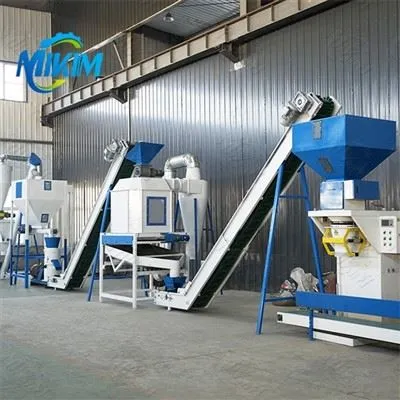
The ring die pellet mill is the core equipment for "forming" raw materials in the animal feed pellet production line. It is widely used in the pellet processing of pig, poultry, ruminant and aquatic feed. Through the synergistic effect of physical extrusion and conditioning, the mixed powdered raw materials are pressed into pellet feed with compact structure and uniform specifications.
Raw material :
Our materials are made using high-quality steel that undergoes a forging process to obtain the desired properties. We prioritize the raw materials come from reliable suppliers. Through the forging technique, the raw material undergoes a controlled heating and shaping process, resulting in materials with enhanced strength, durability, and structural integrity. Our commitment to using top-quality raw materials ensures that our products meet the highest standards and offer exceptional performance. With our carefully selected materials and rigorous manufacturing processes, we strive to deliver reliable and superior products to our customers.



Product parameters
| Model | Capacity | Power | Conditioner Power | Pellet size | Feeder Power |
| SZLH250 | 1-2 T/H | 22kw | 1.5 kw | φ1.0-12.0mm | 0.55kw |
| SZLH320 | 3-5 T/H | 37kw | 2.2 kw | φ1.0-12.0mm | 1.5kw |
| SZLH350 | 5-8 T/H | 55kw | 3.0 kw | φ1.0-12.0mm | 1.5kw |
| SZLH420 | 10-12 T/H | 110kw | 7.5 kw | φ1.0-12.0mm | 2.2kw |
| SZLH508 | 12-18 T/H | 132kw | 11 kw | φ1.0-12.0mm | 2.2kw |
| Pellets diameter: 2mm, 3mm, 4mm, 4.5mm, 5mm, 6mm, 8mm, 10mm | |||||
| Pellets shaping rate: ≥95% | |||||
| Pellets stability in water: ≥20Min | |||||
| Noise: ≤86dB(A) ≤90dB(A) | |||||
| Roller working temperature: ≤85ºC | |||||
| Steam working pressure: 0.1-0.4Mpa | |||||
| Steam temperature: 130-150ºC | |||||
Product advantages
1. Controllable Pellet Quality
By changing ring dies with different apertures and compression ratios, pellets with diameters ranging from 1-20mm and hardnesses of 30-100N can be produced (e.g., 2mm micro pellets for poultry and 10mm large pellets for beef cattle), meeting the feeding needs of animals at different growth stages.
2. Improving Feed Safety
The high-temperature steam in the conditioning process and the frictional heat from the extrusion process kill over 80% of harmful microorganisms such as mold and E. coli in the raw materials, while also destroying anti-nutritional factors in soybean meal, reducing the risk of animal disease.
3. Reduced Feed Loss
The pressed pellets have a compact structure, with a solubility and scattering rate in water or air below 5%, far superior to powdered feed (15%-20%), reducing waste during transportation, storage, and feeding. Suitable for large-scale production
A single unit can produce 0.5-20 tons/hour, meeting the production needs of small farms (0.5-2 tons/hour) and large feed mills (10-20 tons/hour), and supports continuous operation.
Finished product display


FAQ
1. What is the price of the farm feed pellet production line?
The price ranges from approximately US$4,000.
2. Do you provide maintenance services for your customers?
Yes, we offer comprehensive after-sales maintenance services to our customers.
For more information on process flow design, equipment layout, factory construction plans, individual equipment pricing, or turnkey project proposals, please feel free to contact us!!!


