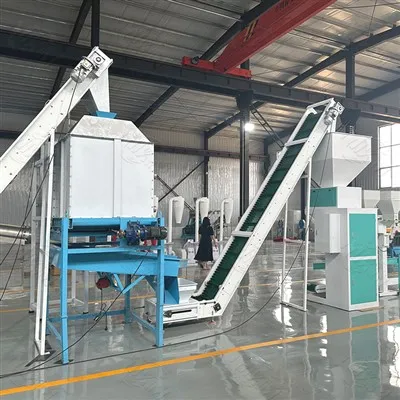
High Capacity Feed Pelletizer Line: Farm and Plant
Leave a message
What a Feed Pelletizer Line Does
A feed production line is used for producing pellet or powder feed for aquaculture, livestock, and poultry. Typical applications include chicken feed pellet production lines, pig feed pellet lines, cattle feed pellet production lines, fish feed pellet production lines, and complete poultry feed plants. The line is widely used in animal husbandry, aquaculture, medium farms, and feed mills, producing feed for chickens, ducks, fish, rabbits, cows, sheep, pigs, dogs, and birds.
Where the Line Is Used
Beyond animal feed, the same equipment can be used in brewing, sugar, paper making, medicine, and cigarette factories for organic waste granulation, making it a practical choice for the breeding industry and the chemical sector as well. Pelleting mixed powder feed also brings higher economic benefits by reducing dust, waste, and storage volume.
Model Specification Table
The table below compares seven high capacity pelletizer configurations for medium and large plants.
| Model | Main Motor Power (kW) | Conditioner Power (kW) | Feeder Power (kW) | Capacity (t/h) |
|---|---|---|---|---|
| 250 | 22 | 2.2 | 0.75 | 1-2 |
| 304 | 30/37 | 3.0 | 1.5 | 2-4 |
| 350 | 55 | 3.0 | 1.5 | 3-6 |
| 400 | 90 | 5.5 | 1.5 | 5-7 |
| 420 | 110 | 5.5 | 1.5 | 6-12 |
| 508 | 132-160 | 7.5 | 2.2 | 10-20 |
| 520 | 160-200 | 7.5 | 2.2 | 15-25 |
Feed Safety Through High-Temperature Pelleting
High-temperature pelleting is a key advantage of feed pellet production lines for ensuring feed safety. During pelleting, the equipment generates high temperature through the extrusion of the ring die and rollers, and combined with steam conditioning, the temperature typically reaches 80-90 degrees Celsius. This high temperature effectively kills harmful microorganisms such as Salmonella and E. coli that may be present in the feed, significantly reducing the risk of intestinal disease in poultry. It also fully gelatinizes the starch in the feed, improving taste and increasing appetite, and destroys anti-nutritional factors that hinder nutrient absorption, making the feed safer and easier to digest.
FAQ
What animals can the line produce feed for?
The line produces feed for chickens, ducks, fish, rabbits, cows, sheep, pigs, dogs, and birds, covering poultry, livestock, and aquaculture species.
What capacity does the largest model offer?
The largest configuration, model 520, delivers 15-25 t/h with a main motor of 160-200 kW, suitable for large commercial feed plants.
Why is steam conditioning combined with pelleting?
Steam conditioning raises the mash temperature to about 80-90 degrees Celsius during pelleting, which kills Salmonella and E. coli and gelatinizes starch for better binding.
Does pelleting affect feed nutrition?
Yes, positively: high temperature destroys anti-nutritional factors and gelatinizes starch, making nutrients easier for poultry to digest and absorb.
Can the equipment granulate non-feed materials?
Yes. It can be used for organic waste granulation in brewing, sugar, paper making, medicine, and cigarette factories.
Which model suits a medium farm?
Models 250 to 350 with capacities of 1-6 t/h suit medium farms and feed mills, while models 400 and above fit larger commercial lines.