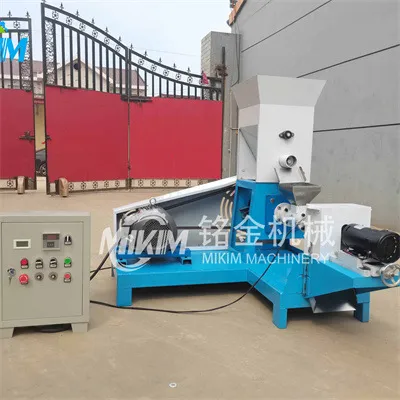
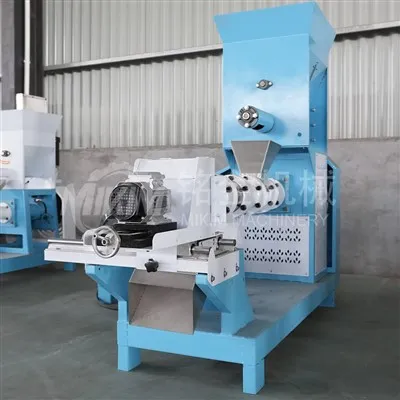
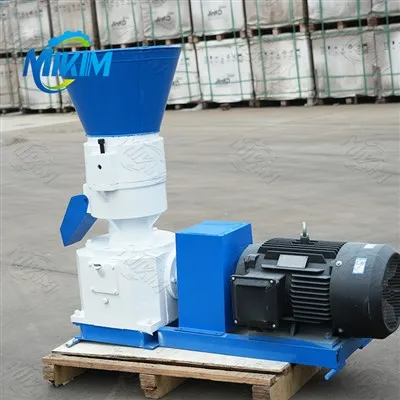
Replacing the differential restored smooth feeding to the small animal feed machine.
Leave a message
Preliminary Preparations
- Tool Preparation: In addition to basic maintenance tools, prepare a tachometer, dial indicator, feeler gauge, and feed adjustment wrench for subsequent linkage adjustments.
- Parts Preparation: A matching differential assembly, drive belt (spare), bearing grease, and pressure roller clearance adjustment shims.
- Safety and Pre-treatment: After shutting down and disconnecting power, clean any residual material from the feed inlet and outlet, remove the feed hopper to expose the connection between the differential and the feeding system; check the pressure rollers for jamming, and thoroughly remove any material clumps.
Replacement Steps
1. Disconnect the transmission system: First, loosen the tensioner of the drive belt, remove the drive belt connecting the differential and the motor, and check the belt wear. If cracks are found, replace the belt. Use a socket wrench to loosen the flange bolts connecting the differential and the feed screw, and mark the flange alignment.
2. Drain oil and remove the housing: Drain the lubricating oil from the differential using standard methods. Remove the end cover and housing bolts, carefully observing the wear at the connection between the differential and the feeding system, and record the findings. Use a puller to separate the connecting shaft between the differential and the feed screw, and remove the old differential.
3. Small chicken feed pellet machine feeding system inspection: During differential replacement, simultaneously check the wear of the feed screw. Use a feeler gauge to measure the clearance between the screw and the barrel. If it exceeds 0.5mm, adjust or replace the screw. Clean any residual raw materials and debris from the feeding channel to ensure smooth feeding.
4. New Differential Installation: Align the new differential with the mounting cavity, adjusting its position according to the alignment marks to ensure it is aligned with the center line of the feed screw's connecting shaft. Install the connecting flange, tightening the bolts diagonally, controlling the torque at 120 N·m. Use a dial indicator to check the radial runout of the flange, ensuring it does not exceed 0.1 mm.
5. Transmission System Reset: Install the drive belt, adjusting the tension pulley to achieve appropriate belt tension (pressing the belt by hand should result in a 10-15 mm deflection). Check the pulley alignment to prevent belt misalignment and wear.
6. Pressure Roller Clearance Adjustment: After replacing the differential, the clearance between the pressure rollers and the ring die needs to be readjusted. Use the feed adjustment wrench to rotate the adjusting screw, allowing the pressure rollers to gently contact the ring die, then rotate it in the opposite direction 1/4 turn, ensuring the clearance is between 0.1-0.3 mm. The clearance between the pressure rollers on both sides must be consistent.
7. Adding Lubricating Oil and Testing the Machine: Add the specified type of lubricating oil to the standard oil level. Run the machine idle for 5 minutes and use a tachometer to check the output speed of the differential, ensuring it matches the equipment manual. Then, test the feeding of the small feed granulator machine. Start with a small amount of material and observe whether the feeding is uniform. If there is no jamming, gradually increase the feed amount and run the machine continuously for 1 hour to check the stability of the pressure roller speed and the quality of granule formation.



about Us
Customer visit

Certificate of Honor

FAQ
1. What is the price of the poultry feed pellet mill?
The price ranges from approximately $1,500-$15,000
2. Do you provide maintenance services for your customers?
Yes, we offer comprehensive after-sales maintenance services to our customers.