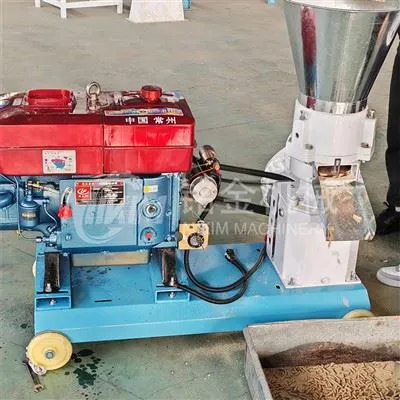
What Tools Are Needed to Clean a Floating Fish Food Pellet Maker Machine?
Leave a message
Introduction
Cleaning a dry floating fish food making machine is not an occasional chore but a daily discipline, and the right tools make the difference between a ten-minute cleanup and a two-hour struggle. Cleaning requires three groups of tools: basic tools for daily cleaning, disassembly and assembly tools for periodic deep cleaning, and auxiliary tools for stubborn residues. This article explains each group and the safety rules that protect the equipment.
Basic tools: soft-bristled brush, small plastic shovel, dry cotton and microfiber cloths, used after every run.
Disassembly tools: wrenches, screwdrivers and Allen keys matched to the equipment, with even tightening on assembly.
Auxiliary tools: small blowers for deep dust and warm water for soaking the die head.
Never use strong acid or alkali cleaners, which corrode the equipment's metal.
Correct tool use improves cleaning efficiency, protects the structure and extends service life.
1. Basic Cleaning Tools: Essential and Safe
Cleaning a dry floating fish feed making machine requires basic tools that are simple, readily available and safe. A soft-bristled brush is the most essential tool, used to clean powder from the die head, barrel and screw surface; the soft bristles will not damage metal surfaces. A small plastic shovel is used to remove slightly clumped raw material; its moderate hardness will not scratch parts. Dry cotton cloths and microfiber cloths are used to wipe the machine body, motor, control panel and other external parts; they are absorbent, lint-free and keep the equipment clean. These basic tools must be used after each production run and are suitable for quick daily cleaning.
2. Disassembly and Assembly Tools: Correct Part Removal
The die head, screw and other parts of the dry-type fish feed pellet processing machine require regular disassembly and cleaning, so appropriate disassembly and assembly tools are essential. Commonly used tools include wrenches, screwdrivers and Allen wrenches; the specific model depends on the equipment specifications. Using specialized tools allows smooth removal of nuts and fasteners, avoiding stripping or damage from improper force. Disassembly should be performed in the correct order with gentle handling, and during installation, tighten evenly to ensure good sealing and stable operation. Proper use of disassembly and assembly tools improves cleaning efficiency, protects the equipment structure and extends its service life.
3. Auxiliary Cleaning Tools: Dealing with Stubborn Residues
For machines that have not been cleaned for a long time and have severely hardened raw materials, auxiliary cleaning tools are needed. Small blowers can clean dust deep within the barrel and feed inlet, making cleaning more thorough. Warm-water containers can be used to soak the die head to soften hardened raw materials, making them easier to clean. Note that only warm water should be used; strong acid or alkali cleaners should not be used, to avoid corroding the equipment's metal. Auxiliary tools effectively deal with stubborn residues, making cleaning easier, but safety principles must be followed during use to avoid damaging the equipment.
Building a Cleaning Routine
Match the tool group to the cleaning cycle: daily quick cleaning with basic tools after every run, weekly disassembly cleaning of the die head and screw, and monthly deep cleaning with blowers and soaking for hardened residue. A machine that follows this routine keeps its die holes clear, its screw surfaces smooth and its pellet quality consistent, which is the practical return on the modest investment in cleaning tools.
Frequently Asked Questions
What is the most essential cleaning tool? soft-bristled brush, used to clean powder from the die head, barrel and screw surface without damaging metal.
Which tools are needed for disassembly cleaning? Wrenches, screwdrivers and Allen keys matched to the equipment, used with correct order and gentle handling to avoid stripping fasteners.
How do I clean hardened residue? Use a small blower for deep dust and soak the die head in warm water to soften hardened material; never use strong acid or alkali cleaners.
How often should the machine be cleaned? Daily quick cleaning with basic tools after each run, weekly disassembly cleaning of the die and screw, and monthly deep cleaning for hardened residue.
Why use a plastic shovel instead of metal? Its moderate hardness removes clumps without scratching parts, protecting the die and screw surfaces.
What does proper cleaning extend? Equipment structure and service life, while keeping pellet quality consistent by preventing blocked die holes and contaminated surfaces.