


Twin Screw vs Single Screw Dog Food Extruder Machine: Which Is Better?
Leave a message
Choosing the right extruder is crucial for pet food manufacturers, as it directly affects product quality, production efficiency, and long-term operational costs. Single-Screw pet food extrusion machine and twin screw pet food extruder machines are the two main types on the market, each with unique characteristics.
Core Comparison Between Twin Screw and Single Screw Extruders
|
Comparison Dimension |
Twin screw pet food making machine |
Single Screw pet feed extruder machine |
|---|---|---|
|
Mixing Uniformity |
Excellent. Intermeshing screws provide strong shear and mixing force, ensuring uniform mixing of raw materials, additives, and nutrients. |
Average. Relies on screw rotation for mixing, prone to nutrient stratification and uneven texture. |
|
Raw Material Adaptability |
Wide. Suitable for high-protein, high-fiber, grain-free, and high-fat raw materials; can handle viscous and sticky materials. |
Limited. Works best with grain-based raw materials; poor adaptability to high-moisture and high-protein materials. |
|
Production Capacity Stability |
High. Stable feeding and extrusion process, small fluctuations in output and product quality. |
Low. Easily affected by raw material moisture and particle size, leading to unstable output. |
|
Energy Consumption |
Medium-High. Higher initial energy consumption, but efficient processing reduces unit energy consumption. |
Low. Lower initial energy consumption, but low efficiency increases unit energy consumption for high-demand products. |
|
Maintenance Cost |
Medium. Modular design facilitates maintenance; wear parts (screws, barrels) have a moderate service life. |
Low. Simple structure, fewer parts, and lower maintenance costs, but wear parts need frequent replacement for complex materials. |
|
Product Diversity |
Strong. Can produce dry food, wet food, aquatic feed, snacks, etc., by changing molds and parameters. |
Weak. Mainly used for dry pet food; difficult to produce complex products like wet food and functional snacks. |
|
Nutrient Retention |
Good. Segmented temperature control reduces high-temperature damage to heat-sensitive nutrients (vitamins, probiotics). |
Poor. Uneven temperature distribution leads to excessive heat treatment and nutrient loss. |
|
Initial Investment |
High. Complex structure and advanced technology result in higher initial purchase costs. |
Low. Simple structure, suitable for manufacturers with limited initial funds. |
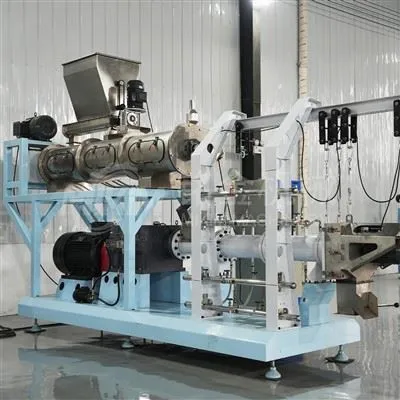
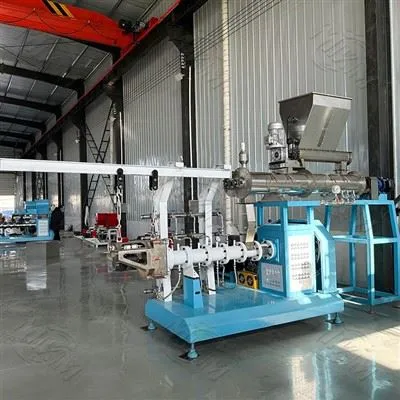
Selection Recommendations Based on Business Needs
For Small and Medium-Sized Manufacturers (Initial Stage)
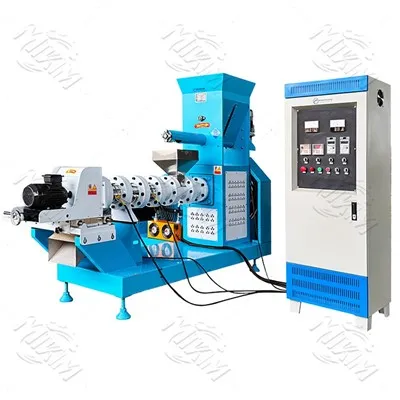
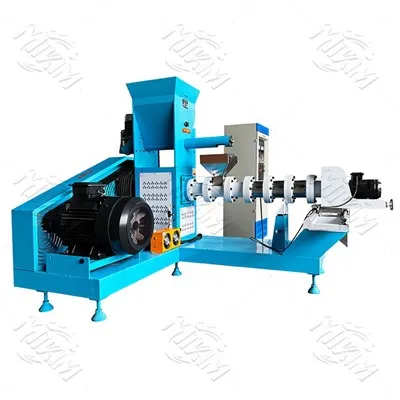
If you mainly produce conventional dry pet food and have limited initial investment, a single screw extruder may be a cost-effective choice. It can meet basic production needs and has lower maintenance costs. However, if you plan to expand product categories in the future, it is recommended to choose a small twin screw fish feed making machine to avoid secondary investment.
For Premium Pet Food Brands
Premium brands focus on product quality, nutrient retention, and diversity. Twin screw extruders are the ideal choice, as they can handle high-quality raw materials (such as fresh meat, organic grains) and produce functional products with stable quality. The equipment's ability to meet international standards (FDA, FEDIAF) also helps enhance product competitiveness in the high-end market.
For Aquatic Feed Manufacturers
Aquatic feed has strict requirements for water stability and density. Twin screw sinking fish feed making machine can precisely control process parameters to produce floating, sinking, and slow-sinking feeds, which single screw extruders cannot achieve. In addition, twin screw machines perform better in processing high-fat aquatic feed, reducing oil loss and improving feed palatability.

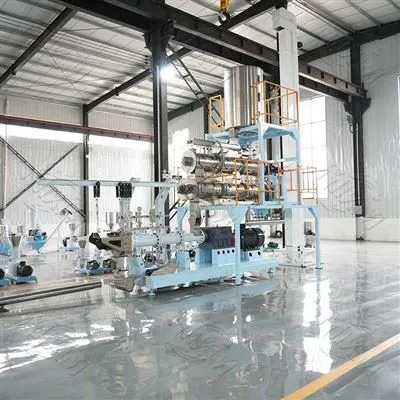
Case Study: From Single Screw to Twin Screw, Achieving Efficiency Upgrade
A medium-sized pet food manufacturer in Europe used a single screw extruder to produce dry dog food. They faced problems such as uneven product texture, high nutrient loss, and limited product types. After switching to a twin screw extruder, their production capacity increased by 30%, product qualification rate improved by 15%, and they successfully launched grain-free dry food and functional cat snacks. The unit energy consumption decreased by 12% due to efficient processing, offsetting the initial investment in a short period.
Not sure which type of extruder fits your production line? Consult our professional team for one-on-one selection guidance and get a customized equipment solution.
Customer visit

Certificate of Honor


