


What are the causes of oil leakage in feed pellet granulators?
Leave a message
The feed pellet press is experiencing an "oil leak" phenomenon – lubricating oil is constantly seeping out from parts such as the gearbox, bearing housing, and hydraulic system. This not only wastes lubricating oil (more than 10L per month) but also contaminates the raw materials (lubricating oil mixes into the feed, causing the feed to have excessive oil content). If the oil leak is severe, it can also lead to a lack of oil in the lubrication system, causing wear on components (such as dry friction of gears and bearings).
Cause and Solution
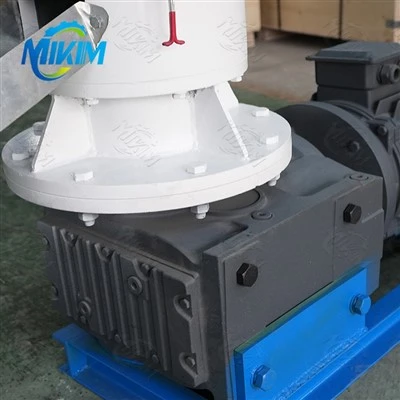
1.Gearbox oil leakage (commonly found at the housing mating surfaces and shaft end seals)
Causes: Aging of the gearbox housing mating gaskets (hardening or cracking after more than a year of use), loose bolts (insufficient torque, resulting in gaps in the mating surfaces), causing lubricant to leak through the gaps; or worn shaft end oil seals (cracks or deformation on the lip), reducing sealing effectiveness and causing lubricant to leak from the shaft end.
Solution: Disassemble the gearbox housing and replace the aged gaskets (use oil-resistant rubber gaskets, such as nitrile rubber). During reassembly, tighten the bolts diagonally (torque according to the equipment manual, e.g., 50-60 N·m for M12 bolts). Remove the shaft end oil seal and inspect the lip. If worn, replace with a new one (ensure the seal model matches the shaft diameter; e.g., for a 50mm shaft diameter, use a TC50×70×12 seal). Apply a small amount of lubricant to the seal lip during installation to reduce friction.
2. Bearing seat oil leakage (commonly seen in the gap between the bearing end cap and the shaft)
Causes: The felt seal on the bearing end cap has aged (lost its elasticity and cannot fit tightly against the shaft surface), or the bearing seat has been overfilled with lubricant (exceeding 2/3 of the bearing seat volume), causing lubricant to leak from the gap between the end cap and the shaft. Alternatively, the bearing seat may be deformed (e.g., due to warping of the end cap due to impact), resulting in an uneven sealing surface and oil leakage.
Solution: Replace the felt seal on the bearing end cap (use oil-resistant felt with a thickness that matches the end cap groove). Ensure the felt is fully seated in the groove during installation. Control the amount of lubricant added (do not exceed 1/2 of the bearing seat volume) to avoid overfilling. If the bearing seat is deformed, repair the sealing surface with a surface grinder (ensure flatness error ≤ 0.05mm), or simply replace the bearing seat.
3.Hydraulic system oil leakage (commonly found in oil pipe joints and cylinder seals)
Causes: Loose hydraulic oil pipe joints (e.g., under-tightened high-pressure oil pipe joint threads) or damaged joint seals (e.g., aging or broken O-rings), leading to hydraulic oil leakage; or worn piston seals in the hydraulic cylinder (e.g., worn Y-ring lip), causing leakage between the high- and low-pressure chambers in the cylinder, leading to hydraulic oil leakage from the cylinder end cap.
Solution: Inspect the hydraulic oil pipe joints and tighten any loose joints with a torque wrench (e.g., 80-90 N·m for an M16 joint). If the seal is damaged, replace the O-ring (select one resistant to high-pressure hydraulic oil, such as fluororubber). Disassemble the hydraulic cylinder and replace the piston seal (ensure the seal type matches the cylinder inner diameter). During assembly, apply hydraulic oil to the seal surface to reduce installation resistance.


Why Choose Us
MIKIM boasts extensive experience in poultry feed pellet production lines, significantly reducing the incidence of poultry diseases. Its equipment is not only widely used across various industries domestically but also exported to Southeast Asia, Europe, Africa, and South America, earning a high reputation internationally. This global presence not only demonstrates the adaptability and competitiveness of its products, but also demonstrates the company's experience in adapting to diverse market standards and logistics conditions, enabling it to provide a stable supply chain for its overseas customers. Whether serving large domestic farms or cross-border feed companies, MIKIM can leverage its global service network to ensure a consistent, high-quality experience.
For more information on process flow design, equipment layout, factory construction plans, individual equipment pricing, or turnkey project proposals, please feel free to contact us!!!
FAQ
1. What is the price of the feed pellet production machine?
The price ranges from approximately $3,000-$12,000
2. Do you provide maintenance services for your customers?
Yes, we offer comprehensive after-sales maintenance services to our customers.


