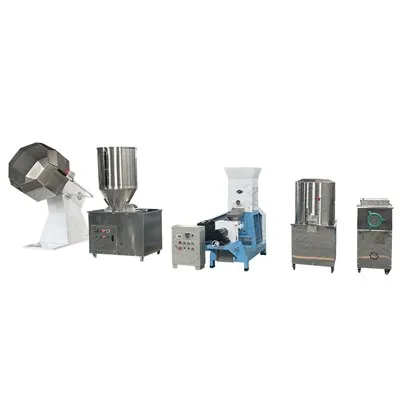
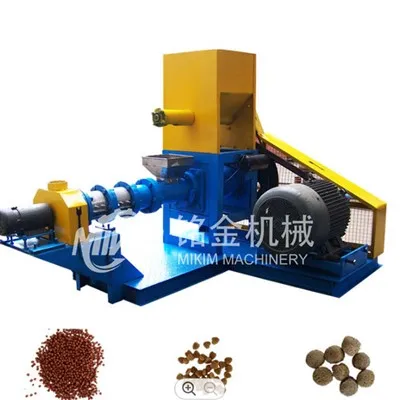
Why is my extruder pellet machine making abnormal noises?
Leave a message
When the machine to make feed pellets suddenly makes "abnormal noises" during operation, such as "clicking" sounds in the gearbox, "squeaking" friction sounds from the pressure rollers, and "banging" vibrations from the barrel, these noises not only indicate a malfunction in the equipment components, but if not promptly addressed, they can also lead to increased wear of the components (such as broken gear teeth and cracked pressure rollers), significantly increasing repair costs.
Cause and Solution
1.Abnormal noise from the gearbox ("clicking" or "humming")
Causes: Insufficient gearbox lubricating oil (oil level below 1/3 of the oil gauge) or deteriorated lubricating oil (blackening, unusual odor), causing dry friction between gears and producing a "clicking" impact sound; or worn gears (pitting or broken teeth), resulting in excessive meshing clearance and a "humming" vibration sound during operation.
Solutions: After stopping the machine, check the gearbox oil level. If insufficient, add the appropriate type of lubricating oil (e.g., No. 46 gear oil) to 1/2-2/3 of the oil gauge. If the lubricating oil is deteriorated, completely drain the old oil, clean the gearbox, and add new oil. Disassemble the gears and check for wear. If the pitting area on the tooth surface exceeds 20% or broken teeth are present, replace the gears (use high-strength alloy steel gears).
2.Abnormal noises (squeaking, rattling) between the roller and the ring die
Cause: The roller bearings are lacking lubrication (grease has dried up), producing a "squeaking" friction noise during rotation; or hardened material (such as residual high-oil material) adheres to the roller surface, resulting in uneven force on the ring die, causing a "clicking" noise; or the ring die holes are excessively clogged (over 30% clogged), preventing smooth material extrusion and causing intermittent jerking during roller rotation.
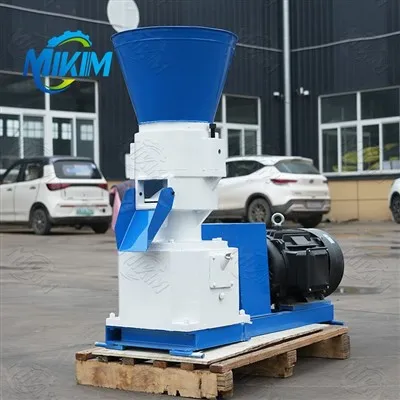
Solution: Use a grease gun to add lithium-based grease to the roller bearings (the amount added should be sufficient to allow grease to overflow from the bearing gap). Remove the roller and clean the hardened material from the surface with a steel brush. If the roller cover is severely worn (the grain has disappeared), replace the roller cover. Use a special cleaning needle to unclog the ring die holes. (If the clog is severe, soak the ring die in 60°C warm water for 30 minutes before cleaning.)
3.Abnormal noise from the barrel and screw ("thumping" or "friction" sounds)
Causes: Excessive coaxiality error between the screw and barrel (more than 0.2mm), causing friction between the screw and the inner wall of the barrel during operation, producing a "friction" sound; or metal impurities (such as bolts or nails) mixed in with the barrel, being squeezed and impacted by the screw, producing a "thumping" sound; or worn screw threads (thread thickness reduced by more than 1mm), resulting in excessive clearance between the screw and barrel, causing vibration and abnormal noise during material extrusion.
Solutions: Readjust the coaxiality of the screw and barrel (by adjusting the bearing seat position to ensure the error is ≤0.1mm); check the material conveying system, install a magnetic separator at the feed inlet (to adsorb metal impurities), and clean the impurities on the magnetic separator regularly; if the screw threads are worn, replace the screw with a new one (using a wear-resistant alloy material, such as 38CrMoAlA).


Why Choose Us
MIKIM boasts extensive experience in poultry feed pellet production lines, significantly reducing the incidence of poultry diseases. Its equipment is not only widely used across various industries domestically but also exported to Southeast Asia, Europe, Africa, and South America, earning a high reputation internationally. This global presence not only demonstrates the adaptability and competitiveness of its products, but also demonstrates the company's experience in adapting to diverse market standards and logistics conditions, enabling it to provide a stable supply chain for its overseas customers. Whether serving large domestic farms or cross-border feed companies, MIKIM can leverage its global service network to ensure a consistent, high-quality experience.
For more information on process flow design, equipment layout, factory construction plans, individual equipment pricing, or turnkey project proposals, please feel free to contact us!!!
FAQ
1. What is the price of the feed pellet extruder?
The price ranges from approximately $3,000-$12,000
2. Do you provide maintenance services for your customers?
Yes, we offer comprehensive after-sales maintenance services to our customers.