


What impact do improper handling practices have on extruded fish feed?
Leave a message
Some feed mill production lines produce 10 tons of qualified feed today, but only 8 tons tomorrow, and they keep having strange problems-the pellets suddenly sink to the bottom even though the parameters haven't been changed; the molds that have just been cleaned get clogged again. The problem isn't with the machines or the raw materials, but with improper operation: new workers start the machines without preheating, and experienced workers adjust parameters based on experience. These human errors quietly affect both quality and output.
The Impact of Skipping Preheating
Impact on equipment and quality: Rapid screw wear and poor pellet formation
When the extruder is started cold, the screw and barrel temperatures are low (around room temperature, approximately 25°C). Raw materials adhere to the cold screw, accelerating screw wear (a screw that could normally last a year may need replacement after only 6 months).
At low temperatures, starch gelatinization is incomplete, resulting in either unexpanded pellets (floating material sinking to the bottom) or uneven pellet formation (some pellets are coarse, some fine), reducing the pass rate from 95% to 75%.
Impact on output: Frequent blockages and production interruptions
Cold feeders easily cause raw materials to clump inside the barrel, requiring shutdown for cleaning every hour on average. This reduces effective production time by 2-3 hours per day, resulting in a 20% decrease in capacity.
Correct Operation: Preheat in two steps, then feed material after 30 minutes.
Step 1: Run the machine idle for 5-10 minutes to allow the screw and barrel to initially heat up.
Step 2: Turn on the heating system to raise the barrel temperature to the target value (120-140℃ for floating materials, 60-80℃ for sinking materials), maintain this temperature for 20-25 minutes, until the barrel casing feels hot to the touch, then begin feeding material.
Parameter influence
Impact on Quality: Pellet Quality Varies Daily
For example, if the pressure was initially stable at 4 MPa (for floating material), a worker might find the pellets too soft and adjust it to 6 MPa, resulting in increased pellet density and 30% of the material settling to the bottom. The next day, another worker might adjust it to 3 MPa, but the pellets would become too brittle, with a breakage rate rising to 15%. This significant quality fluctuation leads to numerous complaints from farmers, necessitating rework and wasting 0.3-0.5 tons of raw materials daily.
Impact on Output: Unstable Production Capacity Due to Repeated Parameter Adjustments
Each parameter adjustment requires a trial run of over 30 minutes to allow the equipment to stabilize and observe pellet formation.
For example, on a 2-ton-per-hour extruder, approximately 2-3 hours of production time are wasted daily due to parameter adjustments, directly reducing output by 4-6 tons. Frequent adjustments also accelerate equipment wear, shortening the replacement cycle of core components such as the extrusion screw and die from 6 months to 4 months, increasing maintenance costs by approximately 40%. Even more problematic is that unstable parameters prevent the production line from achieving standardized production, making it difficult to meet sudden order demands during peak seasons and causing missed market opportunities.


about Us
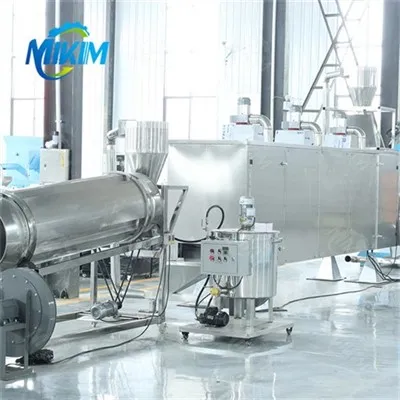
MIKIM boasts extensive experience in poultry feed pellet production lines, significantly reducing the incidence of poultry diseases. Its equipment is not only widely used across various industries domestically but also exported to Southeast Asia, Europe, Africa, and South America, earning a high reputation internationally. This global presence not only demonstrates the adaptability and competitiveness of its products, but also demonstrates the company's experience in adapting to diverse market standards and logistics conditions, enabling it to provide a stable supply chain for its overseas customers. Whether serving large domestic farms or cross-border feed companies, MIKIM can leverage its global service network to ensure a consistent, high-quality experience.
For more information on process flow design, equipment layout, factory construction plans, individual equipment pricing, or turnkey project proposals, please feel free to contact us!!!
FAQ
1. What is the price of the floating fish meal extruder line?
The price ranges from approximately $15,000-$40,000
2. Do you provide maintenance services for your customers?
Yes, we offer comprehensive after-sales maintenance services to our customers.


