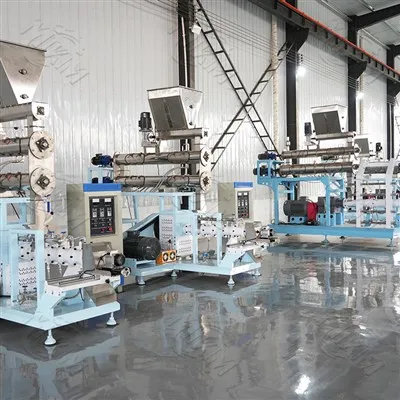
Core Technology of a Feed Production Line
Leave a message
What Is the Core Technology of a Feed Production Line?
A feed production line processes raw ingredients into finished feed through a sequence of crushing, mixing, granulation, cooling, and packaging. Among these stages, the granulation process, carried out by the feed pellet machine, is the core technology of the whole line. It determines the physical form of the feed, its durability, and a large share of the energy cost, so the design and reliability of the pelleting stage set the practical quality of the entire plant.
Why Granulation Is the Core
Granulation compresses the mixed powder into dense, uniform pellets. This changes the feed in three ways that matter to animals and to the plant: the pellets are easier for animals to consume and digest, they are more convenient to transport and store with less dust and waste, and the process itself can improve the utilization of some nutrients. Because every ton of feed passes through this stage, even small differences in pellet quality or machine efficiency translate into significant economic effects.
Key Equipment Along the Line
A complete line typically includes a hammer mill with a dust collector that grinds raw materials into powder; a double-shaft paddle mixer that blends ingredients evenly; the feed pellet machine that forms the pellets; a cooler that removes heat and moisture from the hot pellets; and an automatic packaging machine that weighs and bags the finished product. The crushing and mixing stages prepare the material, the pellet machine determines its form, and cooling and packaging protect the quality achieved by the earlier stages.
Transmission Technology and Efficiency
The drive system of the pellet machine has a direct effect on performance. Gear transmission is generally preferred over belt transmission because gears transmit power with high efficiency, hold the speed constant under load, and run quietly when the gear profiles are precision-ground. High transmission efficiency means that less of the electrical energy is lost as heat, which lowers the energy cost per ton of feed. For plants running long shifts, the choice of transmission is one of the most visible differences between a cheap machine and an efficient one.
Application and Selection Considerations
Feed pellet machines for livestock are used to process feed for cattle, sheep, pigs, rabbits, horses, and other animals at different growth stages, and are especially suitable for feed mills and medium and large breeding farms. When selecting a line, match the automation level to the available labor and the production volume: manual lines are simpler and cheaper, while fully automatic lines reduce manpower and give more consistent output. Compare the rated capacity, energy consumption, die life, and spare part availability rather than the purchase price alone.
Frequently Asked Questions
Why is gear transmission better than belt transmission? Gear drives transmit power with higher efficiency, maintain constant speed under load, and run with less slip and lower noise when properly manufactured, which reduces energy loss and improves pellet consistency.
What does the cooler do in the line? The cooler removes heat and moisture from the hot pellets after granulation, hardening them and preparing them for storage; insufficient cooling produces soft pellets that break and spoil.
Can one line make feed for different livestock? Yes. With die changes and parameter adjustments, a livestock feed line can produce pellets for cattle, sheep, pigs, rabbits, and horses at different growth stages.
Is a fully automatic line worth the investment? For plants with high output and limited labor, automation usually pays back through lower labor cost and more consistent quality; small operations may prefer a simpler manual line.
What is the most important quality indicator for pellets? Durability is a key indicator, along with uniform particle size and moisture content; together they determine how the feed behaves in transport, storage, and feeding.
Does crushing quality affect pellet output? Yes. Uneven or coarse grinding increases die wear and energy consumption and produces weaker pellets, so the hammer mill performance directly affects the granulation stage.