


What is the price of equipment for an agricultural poultry feed production line?
Leave a message
Raw material acquisition and processing costs are the core pain points. Corn stalks are purchased for approximately 300 yuan/ton, but their moisture content is as high as 60%, requiring drying to below 15%, resulting in a drying cost of 200 yuan/ton. A "field pre-drying + local processing" model can be adopted: after corn harvesting, the stalks are sun-dried on-site to reduce the moisture content to 30% before purchase, increasing the purchase price to 400 yuan/ton, while reducing drying costs to 80 yuan/ton, resulting in a net saving of 20 yuan per ton. Alfalfa hay (1800 yuan/ton) is relatively expensive; it can be combined with 30% local sheepgrass (800 yuan/ton), reducing the raw material cost by 300 yuan per ton. Adding 1% cellulase improves digestibility without affecting feeding performance.
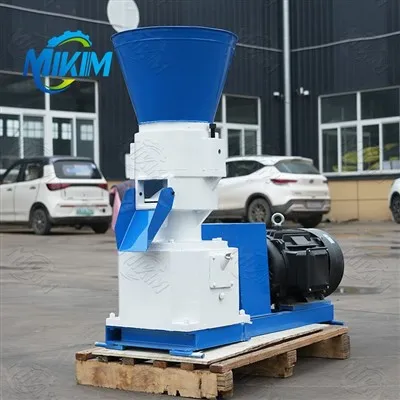
Equipment costs are unique due to the high-fiber processing requirements. Cattle and sheep feed requires equipment such as coarse fiber crushers and high-compression-ratio pellet mills. A production line with an hourly capacity of 500 kg requires an investment of approximately 600,000 yuan. The high-compression-ratio ring die (1:10) costs 30% more than a regular ring die, but ensures high-fiber pellet formation. Equipment depreciation is calculated over 8 years, with a depreciation cost of approximately 150 yuan per ton of feed. If a "used equipment + new core component purchase" model is adopted, the equipment investment can be reduced to 400,000 yuan, and depreciation costs can be reduced by 60 yuan per ton, but the performance of the core components of the crusher and pellet mill must be ensured.
There is significant room for optimization in operating and transportation costs. High-fiber raw materials easily clog equipment, requiring frequent cleaning and resulting in long downtime. By adding 2% bran to the raw materials to improve flowability, equipment downtime was reduced from 2 hours per day to 0.5 hours, and labor costs per ton of feed decreased from 100 yuan to 75 yuan. In terms of energy consumption, the coarse fiber crusher consumes a lot of electricity. Adjusting the crushing particle size from 40 mesh to 30 mesh (to meet the digestive needs of cattle and sheep) reduces the electricity consumption per ton of feed from 100 kWh to 70 kWh, saving 24 yuan in electricity costs. Regarding transportation costs, setting up small processing points in pastoral areas to process raw materials into pellets locally before transporting them to the breeding base reduces the transportation cost per ton from 150 yuan to 80 yuan, significantly lowering the overall cost.
Related equipment


about Us
MIKIM's fish feed pellet production lines and supporting machinery offer excellent value for money. Not only are they affordable, eliminating middlemen markups and allowing small and medium-sized enterprises (SMEs) and fish farmers to purchase complete sets of equipment at reasonable costs, but they also boast exceptional efficiency. The fully automated process, from raw material crushing and precise ingredient mixing to extrusion pelleting and maturation, is completed in one continuous flow. This results in high starch gelatinization rates and uniform pellet formation, significantly improving production efficiency and feed quality, truly achieving "low cost, high output." Choosing a MIKIM fish feed pellet production line means enjoying comprehensive pre-sales and after-sales service, including 24-hour online customer support, a one-year warranty on the entire machine, professional on-site installation, commissioning, and maintenance, and a stable supply of spare parts. Customers can buy with confidence and use with peace of mind, with both excellent value and service quality!
Customer visit

Certificate of Honor

FAQ
1. What is the price of the Agricultural Feed Production Line?
The price ranges from approximately $10,500-$55,000
2. Do you provide maintenance services for your customers?
Yes, we offer comprehensive after-sales maintenance services to our customers.


