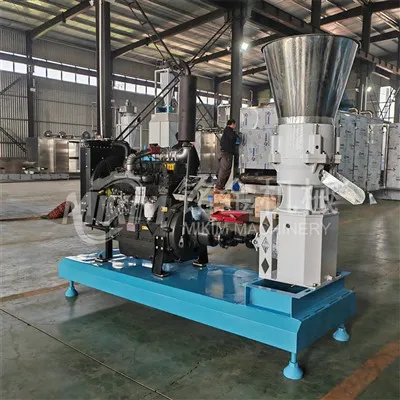
What safety precautions should be taken when using an animal feed extruder machine?
Leave a message
Operators must receive comprehensive and systematic safety training before using the fish feed extruder; this is the foundation for ensuring safe operation. The training content should cover the extruder's working principles, structural characteristics, operating procedures, potential safety risks, and corresponding countermeasures. Through training, operators will gain a thorough understanding of the equipment's performance and operating points, become familiar with the meaning of various safety signs and warning signals, and master correct operating methods and emergency handling skills. This will enable them to operate the equipment accurately and correctly in practice, effectively avoiding safety accidents caused by improper operation. For example, during training, operators can learn how to correctly start and stop the extruder, how to adjust equipment parameters, and how to take swift and effective measures in emergency situations to ensure their own safety and the safety of the equipment.
When entering the work area, operators must wear standard personal protective equipment; this is a crucial line of defense for their own safety. Safety helmets effectively prevent head injuries from impacts; protective goggles protect the eyes from splashing materials and strong light; earplugs reduce hearing damage from noise generated during equipment operation; protective gloves prevent burns, cuts, or chemical corrosion to the hands; and protective shoes protect the feet from injuries caused by falling objects or slipping. For example, during extrusion, material may be ejected from the die due to excessive pressure. If the operator is not wearing protective goggles, eye injury is highly likely.
Therefore, wearing personal protective equipment correctly is a necessary measure to ensure operator safety and must be strictly enforced.
When operating a fish feed extruder, it is strictly forbidden to put hands or other body parts into the moving parts of the equipment, such as the screw, cutter, or drive chain. This is extremely dangerous and can easily lead to serious personal injury accidents. These moving parts are usually fast and powerful; if a body part is caught in them, the consequences could be disastrous. Furthermore, maintenance, cleaning, or adjustment work is prohibited while the equipment is running. If these operations are required, the machine must be stopped and the power disconnected before proceeding. Allow the equipment to completely stop and cool down before proceeding. This is because operating the equipment while it is running can not only injure the operator but also damage the equipment and affect production progress. For example,
when cleaning the die head, if the machine is not stopped, the cutter may suddenly rotate, causing hand injury to the operator.
During equipment operation, maintain focus and avoid distractions. Do not chat with others or perform other unrelated operations. Distractions may prevent operators from promptly detecting abnormal equipment conditions, missing the optimal time for handling, and thus leading to safety accidents.
The fish feed extruder generates high temperatures during operation; the barrel, screw, die head, and other components are all very hot. Operators must take precautions to prevent burns. Do not touch these hot parts while the equipment is running. If you need to check the equipment's operation, use specialized tools or observe the equipment's instruments and indicator lights. After the equipment is stopped, wait for a period of time for the hot parts to cool down before proceeding with further operations. In addition, take precautions to prevent electrical accidents. Regularly inspect the electrical wiring, switches, and sockets of the equipment to ensure they are securely connected, well-insulated, and free from damage or aging. If an electrical fault is detected, immediately stop the machine and have it repaired by a qualified electrician.
Unauthorized repairs of electrical equipment are strictly prohibited. Avoid touching electrical components with wet hands while operating the equipment to prevent electric shock.
The working area of the fish feed extruder should be equipped with necessary fire-fighting equipment, such as fire extinguishers and fire sand, and their effectiveness should be checked regularly. Operators must be familiar with the use of fire-fighting equipment and be able to quickly and correctly use it to extinguish fires and control their spread in the event of a fire. At the same time, maintain good ventilation in the working area to prevent the accumulation of flammable and explosive gases. During feed production, dust and volatile gases may be generated, which may explode under certain conditions. Good ventilation reduces the concentration of these substances and decreases the risk of explosion.
To cope with potential emergencies such as equipment failure, fire, and personal injury, a comprehensive emergency plan should be developed and drills conducted regularly. Emergency plans should include emergency shutdown procedures, evacuation routes and assembly points, accident reporting procedures and contact information, and first aid measures. Through drills, operators can become familiar with the content and procedures of the emergency plan, improving their ability to respond to emergencies and their reaction speed. Drills can also identify problems and deficiencies in the emergency plan, allowing for timely revisions and improvements to ensure its effectiveness and operability.
In an emergency, operators should remain calm and immediately press the emergency stop button to stop the equipment. If a fire occurs, nearby fire extinguishers should be used immediately, and the fire department should be notified promptly. If anyone is injured, emergency services should be called immediately, and necessary first aid measures such as stopping bleeding, bandaging, and CPR should be administered while awaiting the arrival of professional rescue personnel. After an accident, the accident scene should be preserved for investigation and analysis to determine the cause and take appropriate measures to prevent similar accidents from recurring.


about Us
MIKIM boasts extensive experience in poultry feed pellet production lines, significantly reducing the incidence of poultry diseases. Its equipment is not only widely used across various industries domestically but also exported to Southeast Asia, Europe, Africa, and South America, earning a high reputation internationally. This global presence not only demonstrates the adaptability and competitiveness of its products, but also demonstrates the company's experience in adapting to diverse market standards and logistics conditions, enabling it to provide a stable supply chain for its overseas customers. Whether serving large domestic farms or cross-border feed companies, MIKIM can leverage its global service network to ensure a consistent, high-quality experience.
For more information on process flow design, equipment layout, factory construction plans, individual equipment pricing, or turnkey project proposals, please feel free to contact us!!!
FAQ
1. What is the price of the fish feed pellet production line?
The price ranges from approximately $10,000-$36,000
2. Do you provide maintenance services for your customers?
Yes, we offer comprehensive after-sales maintenance services to our customers.