What should we do if broiler chicken farming is prone to diseases?
Leave a message
With the arrival of summer's high temperatures and high humidity, many broiler farms are experiencing frequent outbreaks of diseases such as coccidiosis and E. coli. This not only leads to increased broiler mortality (over 10% in some farms), but also increases the feed-to-meat ratio from 1.8:1 to 2.2:1, severely impacting farm profitability. In reality, the frequent occurrence of broiler diseases isn't simply due to pathogens; improper feed handling is a key contributing factor. An efficient pellet feed production line can mitigate disease risks at the source.
Cause Analysis
1. Feed Contamination: When using powdered feed, raw materials such as corn and soybean meal are easily contaminated with Salmonella and mold (mold contamination rates exceed 30% in summer), directly leading to intestinal diseases in broiler chickens.
2.. Inadequate Nutrient Absorption: Powdered feed is prone to grading (corn kernels sink to the bottom, while vitamin powder floats). Uneven feeding leads to decreased immunity and increased susceptibility to disease in broiler chickens.
3. Feed Waste and Contamination: Powdered feed spilled on the ground is easily contaminated by feces and sewage, leading to digestive tract infections in broiler chickens. Furthermore, the feed waste rate can be as high as 15-20%, increasing breeding costs.
Solution
High-temperature sterilization prevents pathogen transmission: The pelleting process (ring die pellet mill temperature 60-80°C) or extrusion process (80-130°C) in the pellet feed production line can kill over 99% of Salmonella and mold spores in the raw materials, preventing the spread of disease through the mouth. For example, after a broiler farm switched to pelleted feed, the incidence of E. coli dropped from 3 cases per month to 0.
Uniform nutrition and improved immunity: The production line ensures consistent nutritional content in each pellet through precise batching (error ≤ 1%) and forced mixing. This results in balanced nutrition for broilers, a well-developed immune system, and a more than 40% increase in resistance to diseases like coccidiosis.
Reduced waste and pollution: Pellets have a hardness of 3-5 kg/cm² and are less prone to crumbling when scattered on the ground, reducing waste to less than 5%. Their smooth surface resists dirt, allowing broilers to consume clean feed, significantly reducing the incidence of digestive tract diseases.
In addition, the pellet feed production line's cooling system (which reduces pellet temperature to room temperature) prevents mold and further reduces liver disease caused by mycotoxins.
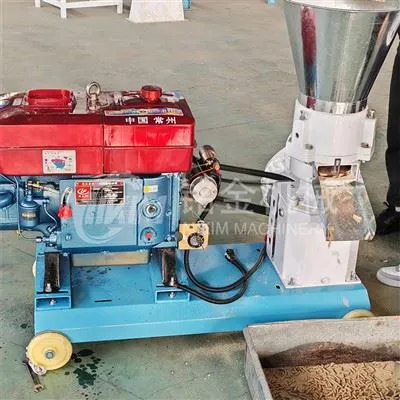
Main equipment of animal feed pellet production line


Why Choose Us
MIKIM boasts extensive experience in poultry feed pellet production lines, significantly reducing the incidence of poultry diseases. Its equipment is not only widely used across various industries domestically but also exported to Southeast Asia, Europe, Africa, and South America, earning a high reputation internationally. This global presence not only demonstrates the adaptability and competitiveness of its products, but also demonstrates the company's experience in adapting to diverse market standards and logistics conditions, enabling it to provide a stable supply chain for its overseas customers. Whether serving large domestic farms or cross-border feed companies, MIKIM can leverage its global service network to ensure a consistent, high-quality experience.
For more information on process flow design, equipment layout, factory construction plans, individual equipment pricing, or turnkey project proposals, please feel free to contact us!!!

FAQ
1. What is the price of the Farm poultry feed pellet line ?
The price ranges from approximately $8,000-$25,000
2. Do you provide maintenance services for your customers?
Yes, we offer comprehensive after-sales maintenance services to our customers.