What to do if egg duck farming has many diseases?
Leave a message
In laying duck farming, diseases like avian influenza and infectious duck serositis frequently occur. These not only lead to duck mortality (acute cases have a mortality rate exceeding 25%), but also cause egg production rates to plummet from 85% to below 60%, leading to an increase in the proportion of soft-shell and sand-shell eggs, resulting in significant losses for farms. Many farmers overlook the impact of feed form on duck health. Compared to traditional powdered feed, pellet feed production lines specifically designed for laying ducks can reduce disease risk at the root.
Cause Analysis
1.Poisoning caused by moldy raw materials: Common ingredients in laying duck feed, such as bran and corn, are susceptible to mold and aflatoxin in humid environments, leading to liver damage, weakened immunity, and increased susceptibility to serositis.
2.. Vitamin loss leads to weakened disease resistance: Powdered feed is susceptible to oxidation and loss of vitamins like A and D during storage and transportation (loss rate exceeding 20% within 30 days). Vitamin deficiency in laying ducks leads to decreased mucosal immune function and increased susceptibility to avian influenza.
3.Feeding competition causes stress: Powdered feed is prone to "fighting for food," resulting in weak ducks' poor physique and increased susceptibility to disease. Furthermore, the stress of competition further reduces the ducks' immunity.
4.Feed contamination leads to intestinal diseases: Powdered feed easily absorbs dust and microorganisms from the air, causing enteritis in laying ducks, diarrhea, and decreased egg production.

Solution
Raw material pretreatment eliminates mold risk: The pellet feed production line is equipped with raw material cleaning equipment (vibrating screens and magnetic separators) to remove impurities and moldy particles. The high temperature (60-80°C) during the pelleting process inhibits mold growth. Combined with low-moisture storage (≤12%) after cooling, the aflatoxin content has been reduced from 15% to below 0.5%.
Pelleting locks in nutrients and enhances disease resistance: The production line utilizes a "low-temperature pelleting" process (temperature ≤70°C) to reduce vitamin loss from oxidation (loss rate reduced to below 5%). The pellets are well-sealed, ensuring nutritional stability during storage. Adequate vitamin intake enhances mucosal immunity in laying ducks, reducing the incidence of avian influenza by 35%.
Uniform feeding reduces stress and reduces the risk of weak ducks: Each pellet is uniformly sized, eliminating competition for feeding, ensuring that weak ducks can also be fully fed, and improving flock uniformity. 20%, reducing the number of susceptible individuals with poor physical condition and slowing the spread of disease.
Clean feeding protects intestinal health: The smooth surface of pelleted feed is less likely to absorb dirt, and the production line can incorporate probiotic-coated pellets (with a post-pellet survival rate exceeding 80%). This balanced intestinal flora in laying ducks contributes to a reduction in the incidence of enteritis from 5 cases per month to 1 case.
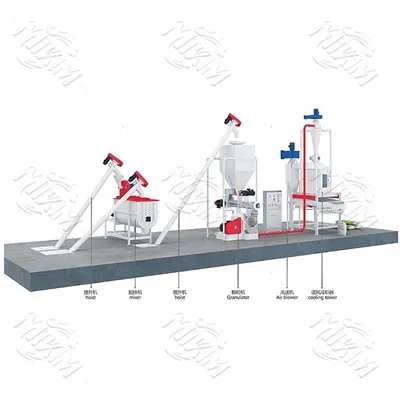

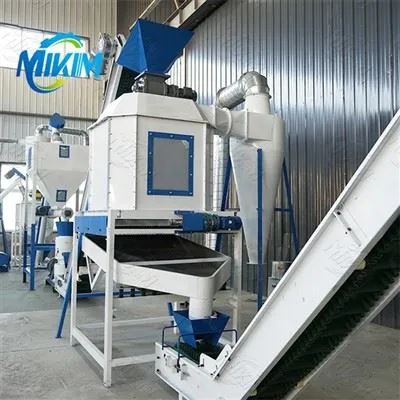

Main equipment of animal feed pellet production line


Why Choose Us
MIKIM boasts extensive experience in poultry feed pellet production lines, significantly reducing the incidence of poultry diseases. Its equipment is not only widely used across various industries domestically but also exported to Southeast Asia, Europe, Africa, and South America, earning a high reputation internationally. This global presence not only demonstrates the adaptability and competitiveness of its products, but also demonstrates the company's experience in adapting to diverse market standards and logistics conditions, enabling it to provide a stable supply chain for its overseas customers. Whether serving large domestic farms or cross-border feed companies, MIKIM can leverage its global service network to ensure a consistent, high-quality experience.
For more information on process flow design, equipment layout, factory construction plans, individual equipment pricing, or turnkey project proposals, please feel free to contact us!!!

FAQ
1. What is the price of the Farm poultry feed pellet line ?
The price ranges from approximately $8,000-$25,000
2. Do you provide maintenance services for your customers?
Yes, we offer comprehensive after-sales maintenance services to our customers.