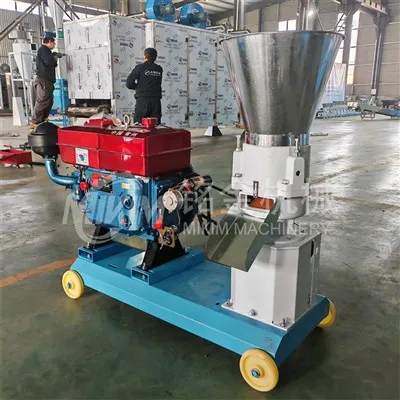
When selecting a feed processing line, which automation functions are practical?
Leave a message
As farms expand, many owners want to install automated production lines. However, some features that look advanced are actually unnecessary! For example, automatic raw material sampling systems cost a lot of money to install, but are only used once or twice a month; intelligent warehouse robots cost over 200,000 yuan, but hiring a few workers to stack the goods is faster and cheaper, resulting in a huge waste of money.
Key selection factors (based on automation requirements)
Prioritize commonly used automation functions.
1. Essential functions:
* Automatic batching system: Can batch 10 to 15 batches of feed per hour, much more accurate than manual weighing; essential for frequent daily batching.
* Automatic lubrication system for the pellet mill: Allows for regular oiling, eliminating the need for constant monitoring and reducing the likelihood of machine breakdowns.
* Online moisture meter: Constantly checks the moisture content of raw materials; excessive moisture can lead to mold growth. This function is essential for daily use.
2. Choose infrequently used functions with caution: Automatic raw material sampling system: Use it only for spot checks, maybe once or twice a week;
Intelligent warehouse robots: Unless you have a super-large farm, you can usually just hire workers to stack the goods; there's no need to waste money on them.
Automation functions must be matched to the actual conditions of the farm.
1. If a professional maintenance technician is available: Go directly to a fully automated production line. From batching and pelleting to packaging, everything is automated. You can also view data on output, electricity consumption, and raw material consumption on your mobile phone, making management extremely convenient.
2. If a professional technician is unavailable: A semi-automatic production line is more reliable. For example, automatic batching but manual packaging. Overly complex systems are prone to major problems if operated incorrectly; simpler systems are more worry-free.
Calculate the long-term maintenance costs to avoid creating problems for yourself.
1. When buying equipment, ask: Are the prices of easily damaged parts high? For example, how easy is it to replace a sensor in an automatic batching system, and how much does it cost? Is there a charge for on-site debugging? How much will annual maintenance cost?
2. Prioritize modular equipment: For example, if the automatic lubrication system breaks, it can be disassembled and repaired separately without affecting the entire production line. This way, even if a malfunction occurs, production will not stop, saving a lot on maintenance costs.

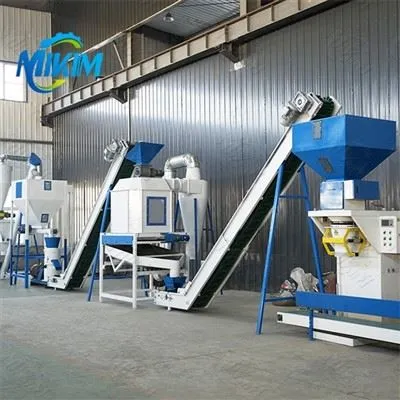

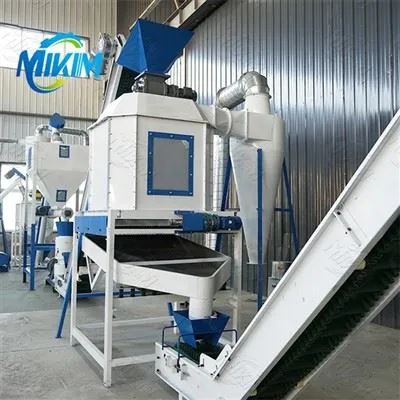
Why Choose Us
MIKIM boasts extensive experience in poultry feed pellet production lines, significantly reducing the incidence of poultry diseases. Its equipment is not only widely used across various industries domestically but also exported to Southeast Asia, Europe, Africa, and South America, earning a high reputation internationally. This global presence not only demonstrates the adaptability and competitiveness of its products, but also demonstrates the company's experience in adapting to diverse market standards and logistics conditions, enabling it to provide a stable supply chain for its overseas customers. Whether serving large domestic farms or cross-border feed companies, MIKIM can leverage its global service network to ensure a consistent, high-quality experience.
For more information on process flow design, equipment layout, factory construction plans, individual equipment pricing, or turnkey project proposals, please feel free to contact us!!!

FAQ
1. What is the price of the Feed pelletizing equipment?
The price ranges from approximately $8,500-$24,000
2. Do you provide maintenance services for your customers?
Yes, we offer comprehensive after-sales maintenance services to our customers.