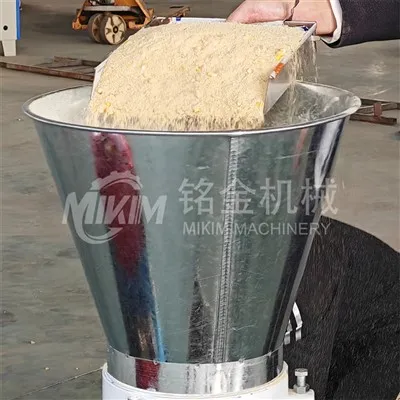
How to ensure equipment is compatible with the needs of multiple feed categories when selecting a production line?
Leave a message
If a farm raises pigs, chickens, and sheep, the feed production line must be capable of producing multiple types of feed. If the purchased equipment can only produce one type of feed, such as pig feed, then separate equipment for chicken and sheep feed must be purchased, significantly increasing costs. Furthermore, unsuitable equipment will result in poor feed quality. For example, using a machine designed for pig feed to make chicken feed will produce pellets that are too large for chicks to eat.
Key Selection Factors (Based on Multi-Category Adaptability)
Equipment parameters are adjustable, suitable for different feeds.
1. Grinder: Choose a model with interchangeable screens. Use a 6mm mesh screen for pig feed, a 3mm screen for chicken feed, and an 8mm screen for sheep feed. The speed should also be adjustable; for finer pellets, increase the speed to 3000 rpm; for coarser pellets, adjust to 2000 rpm.
2. Pelletizer: Choose a model with interchangeable ring dies. Use a 3-4mm mesh ring die for pig feed, a 1-2mm mesh for chicken feed, and a 5-6mm mesh for sheep feed. The pressure of the pressure rollers should also be adjustable; set the pressure to 0.5 MPa for soft pellets and 0.8 MPa for hard pellets.
Core components should be interchangeable, minimizing replacement costs.
1. Mixer: A stainless steel horizontal mixer is recommended. It eliminates dead zones and can evenly mix various feed ingredients, from high-starch pig feed to high-protein chicken feed and high-fiber sheep feed. Cleaning is also very convenient, eliminating concerns about cross-contamination of flavors between different feeds and eliminating the need to purchase a separate mixer for each type.
2. Conveying Equipment: A scraper conveyor is a good choice, capable of conveying both granular and powdered materials. The conveying speed is adjustable, accommodating different feed production speeds. Parts are highly interchangeable, minimizing replacement costs.
Production processes should be compatible, making it easy to process various feeds.
1. The production line must support different conditioning processes. For example, for pig feed, the conditioning temperature should be set to 80℃ for 60 seconds; for chicken feed, 75℃ for 40 seconds; and for sheep feed, 70℃ for 80 seconds. This requires a conditioner that can control the temperature in stages.
2. Ideally, it should also support post-coating processes. For example, when making feed for laying hens, you can spray vegetable oil and vitamins onto the pellets after they are made. This way, the nutrients will not be destroyed by high temperatures, and you don't need to buy additional spraying equipment. The nutritional needs of different feeds can be met.


Why Choose Us
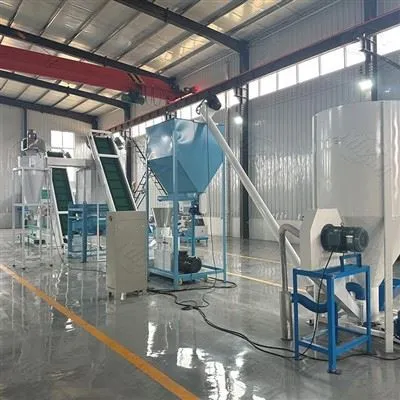
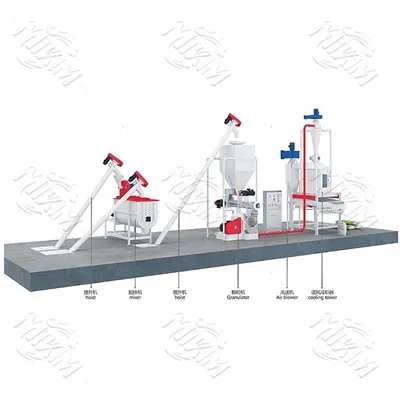
MIKIM boasts extensive experience in poultry feed pellet production lines, significantly reducing the incidence of poultry diseases. Its equipment is not only widely used across various industries domestically but also exported to Southeast Asia, Europe, Africa, and South America, earning a high reputation internationally. This global presence not only demonstrates the adaptability and competitiveness of its products, but also demonstrates the company's experience in adapting to diverse market standards and logistics conditions, enabling it to provide a stable supply chain for its overseas customers. Whether serving large domestic farms or cross-border feed companies, MIKIM can leverage its global service network to ensure a consistent, high-quality experience.
For more information on process flow design, equipment layout, factory construction plans, individual equipment pricing, or turnkey project proposals, please feel free to contact us!!!
FAQ
1. What is the price of theFeed pelletizing production line?
The price ranges from approximately $8,500-$24,000
2. Do you provide maintenance services for your customers?
Yes, we offer comprehensive after-sales maintenance services to our customers.