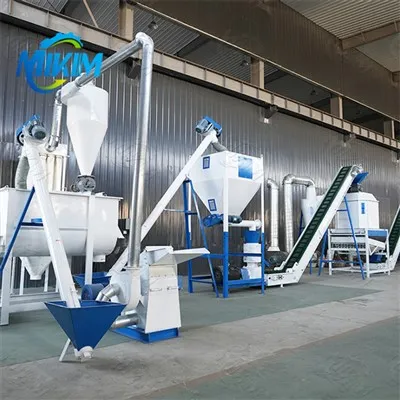
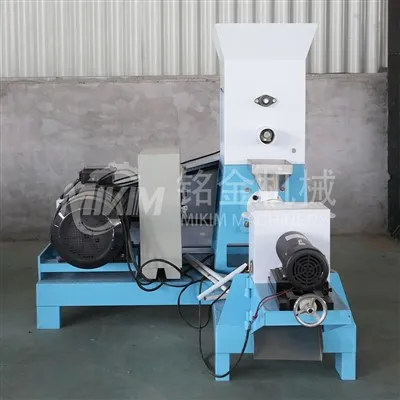
Wet Extruders for Floating Fish and Pet Feed
Leave a message
What a Wet Extrusion Line Is
A wet extrusion line adds steam and water to the raw material in the conditioner before it enters the extruder barrel. The extra moisture gives the operator precise control over cooking temperature, expansion, and pellet texture, which is why wet extruders are the standard choice for floating fish feed and premium pet food. Compared with dry extrusion, which relies mainly on frictional heat, the wet process is more flexible but needs a boiler or steam supply, so the total line investment is higher.
Better Growth Performance and Shorter Cycles
Feed produced by wet fish feed pellet processing machines is nutritionally balanced, palatable, and highly digestible, which improves the growth performance of farmed animals and shortens the breeding cycle. In aquaculture, feed from wet extruders allows fish to absorb over 85 percent of crude protein, a 10-15 percent improvement compared with dry-extruder products. The cycle from fry to adult, about 1 kg for grass carp, can be shortened by 1-2 months. In livestock and poultry, piglets fed a starter feed produced by wet extruders can show a 15-20 percent increase in daily weight gain and a 10-12 percent increase in survival rate. The balanced nutrition also reduces individual differences among the animals, producing more uniform adult sizes with higher commercial value. Because the feed is safer, the incidence of disease falls, drug costs drop by over 30 percent, and overall farming cost is reduced by approximately 25 percent.
Meeting the High-End Feed and Pet Food Market
As aquaculture and livestock farming move toward large-scale, high-quality operations, demand for high-end feed keeps growing. Specialty aquaculture species such as grouper and large yellow croaker have very demanding requirements for feed nutrition and quality; wet extruders can produce customized high-protein, high-nutrient feed for these fish. The pet food market is equally demanding about flavor and nutritional activity, and wet extrusion preserves the flavor substances and vitamins of meat raw materials, making it suitable for high-end extruded pet food. Because wet-extruded products command a larger premium than dry-extruded equivalents, feed mills can expand their profit channels and strengthen their market position.
Green Farming and Regulatory Alignment
Green and ecological farming has become the mainstream direction of the industry, and it requires feed mills to reduce feed waste and water pollution. Wet-extruded feed is highly water-resistant, with a low waste rate of no more than 5 percent, which reduces the excretion of undigested nutrients and lowers the pollution load of the farming water. The process also works at controlled temperatures that limit the generation of harmful substances, producing safer feed that fits food safety and environmental requirements. In addition, wet extruders can use certain industrial by-products as raw materials, which supports resource recycling and strengthens the brand image of mills that adopt them. These features make wet extrusion a core piece of equipment for mills that need to upgrade in the face of stricter regulation.
Choosing Wet or Dry Extrusion
The choice between wet and dry extrusion depends on the product mix and the available utilities. Choose wet extrusion when the line must produce floating fish feed, high-protein specialty aquafeed, or premium pet food, and when steam is available on site. Choose dry extrusion for simpler recipes, smaller budgets, and lower required flexibility, where the lower investment and simpler operation matter more than maximum process control. For mills planning to enter the high-end segment, a wet line with a proper conditioner and dryer is usually the more future-proof investment, but the economics should be checked against the expected product margins and volumes.
FAQ
What is the difference between wet and dry extrusion for fish feed?
Wet extrusion adds steam and water before the barrel, giving finer control over cooking, expansion, and texture, while dry extrusion uses frictional heat only. Wet lines are the standard for floating feed and premium products; dry lines cost less to install and operate.
How much can wet-extruded feed improve protein absorption?
Manufacturer data commonly cites crude protein absorption above 85 percent with a 10-15 percent improvement over dry-extruded products. The actual gain depends on the formula, moisture, and processing conditions, so results should be verified on the specific line.
Is wet extrusion only for aquatic feed?
No. The same process is used for high-end pet food, pig starter feed, and other livestock diets that benefit from precise cooking and good texture, as well as for specialty aquaculture species such as grouper and large yellow croaker.
How does wet-extruded feed reduce farming cost?
Better digestibility means less feed is wasted, and safer feed lowers disease incidence, cutting drug costs by over 30 percent and overall farming cost by about 25 percent in typical farm comparisons. Savings vary with farm size and management.
What water resistance can wet-extruded pellets achieve?
Wet-extruded floating pellets are highly water-resistant, with a typical waste rate of no more than 5 percent in the water. The pellets stay intact long enough for the fish to consume them, which reduces waste and water pollution.