


Advantages Of Fish Feed Extruder Machine
Leave a message
Key features of floating fish feeders
1. 1. Customizable Particle Density for Different Water Layers: Targeting the feeding habits of upper-layer (e.g., grass carp, silver carp) and bottom-layer (e.g., common carp, black carp) fish in aquaculture, particle density can be controlled by adjusting the ring die compression ratio (typically 1:6-1:12). This allows for the production of suspended (density <1g/cm³), slowly sinking (density ≈1g/cm³), or sinking (density >1g/cm³) pellet feeds, precisely matching the fish's habitat layer.
2. 2. High In-Water Stability, Reducing Water Pollution: Utilizing a special ring die design and conditioning process, the dissolution time of the finished pellet feed in water can be controlled within 30 minutes to 2 hours (adjusted according to the fish's feeding rate). This prevents rapid dissolution of feed components into the water, which could lead to increased ammonia nitrogen and nitrite levels, reducing water purification costs and maintaining the ecological balance of the aquaculture water body.
3. Refined raw material processing improves fish digestibility: Equipped with a high-precision grinding system (raw material fineness can reach 60-80 mesh), and steam conditioning achieves a starch maturity of 50%-70%, which is suitable for the digestive system characteristics of fish (especially omnivorous and herbivorous fish), reducing organic matter residue in fish feces and lowering the risk of liver and gallbladder diseases.
4. Corrosion-resistant design adapts to humid environments: Aquaculture farms are humid environments. Key components of the feed pellet mill, such as the machine body, feed inlet, and ring die, are made of stainless steel or treated with anti-corrosion coatings, effectively preventing moisture corrosion and extending service life (typically 2-3 years longer than ordinary feed pellet mills), reducing equipment maintenance frequency.


Differences from wood pellet machines
1. Significant differences in raw material moisture requirements: Aquatic feed pellet mills require raw materials with a moisture content controlled between 12% and 18% (too high a moisture content leads to pellet sticking, too low a content makes pelleting difficult), and must prevent mold growth (affecting fish health). Wood pellet mills require biomass raw materials with a moisture content controlled between 8% and 15% (too high a moisture content leads to incomplete combustion, too low a content easily generates dust), and have a relatively higher tolerance for mold growth.
2. Different finished product performance requirements: Aquatic feed pellet mills emphasize the finished product's stability in water, nutrient retention, and palatability; pellet hardness needs to be moderate (too hard affects fish feeding, too soft makes them easily disintegrate). Wood pellet mills emphasize the finished product's calorific value, density, and breakage resistance; pellet hardness needs to be higher (to prevent breakage during transportation), and there are no requirements regarding nutritional content.
3. Different equipment cleaning requirements: Aquatic feed pellet mills require regular cleaning of the ring die, pressure rollers, and hopper to prevent feed residue from becoming moldy and contaminating subsequent feed processing; wood pellet mills require less frequent cleaning, mainly to remove impurities (such as stones and metal) from the raw materials, and there is no need to worry about residual raw materials becoming moldy and affecting the use of the finished product (fuel pellets are not edible).


about Us
MIKIM is a high-tech enterprise integrating R&D, production, and sales. Its feed extrusion equipment utilizes a high-temperature, high-pressure process, which sterilizes, improves puffing density and digestibility, and saves 8%-15% on feed costs. Pellet diameters are adjustable from 1-16 mm, and it features controllable cutting and floating adjustment to suit the needs of fish, shrimp, crab, and pet food. Core components are sourced from international brands and undergo special treatment, ensuring stability and durability while balancing safety, efficiency, and peace of mind.
Qualifications and Honors

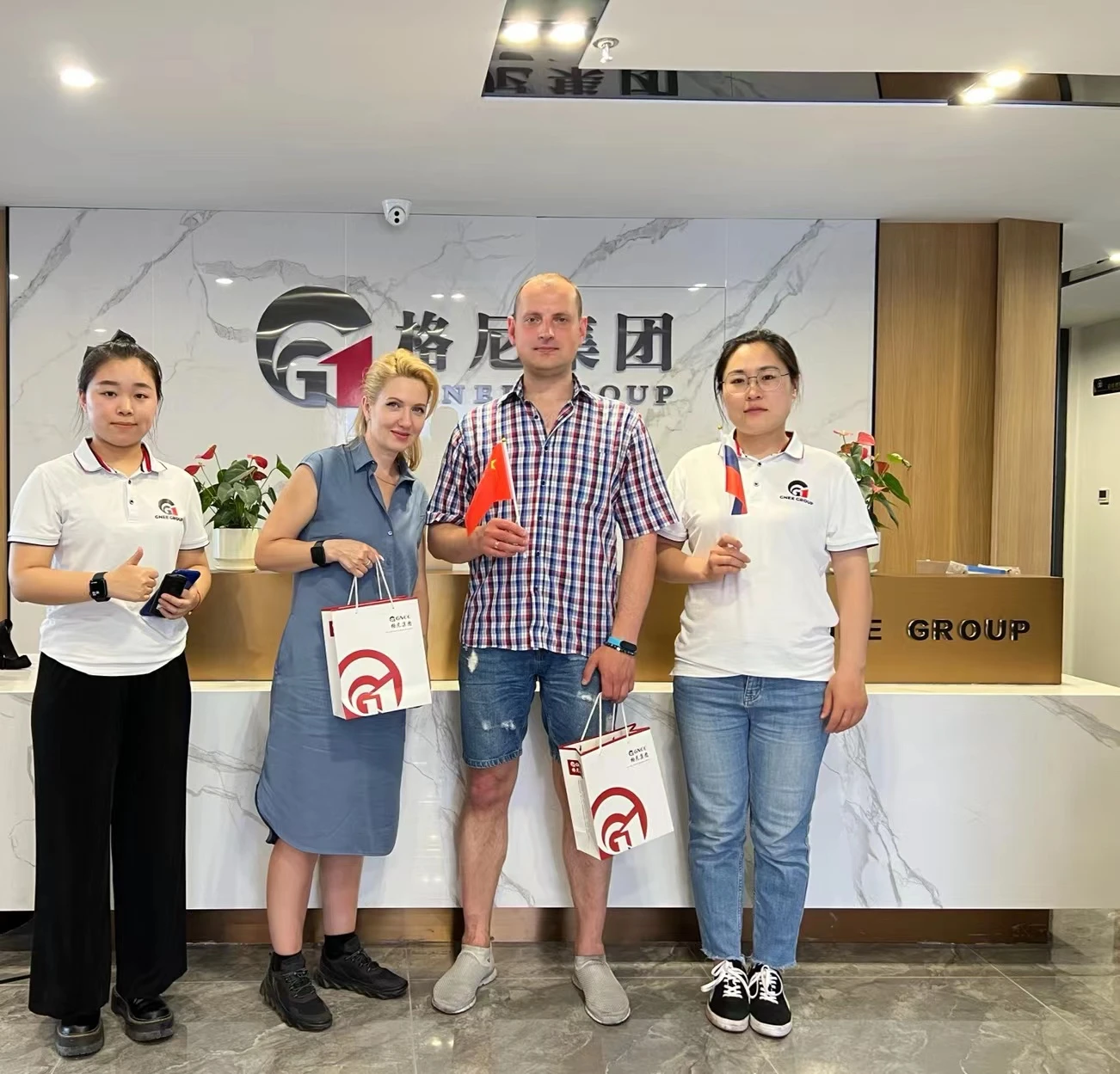
Customer visit



FAQ
1. What is the price of the fish pellet making machine?
The price ranges from approximately $6,000-$30,000
2. Do you provide maintenance services for your customers?
Yes, we offer comprehensive after-sales maintenance services to our customers.


