What Are The Main Features Of A Feed Pellet Mill?
Leave a message
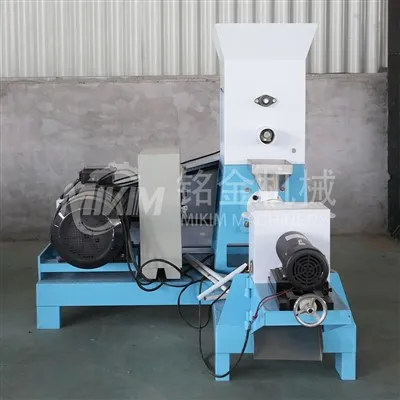
Key features of a pelleting machine
1. Wide raw material adaptability, meeting the needs of livestock farming: It can process various livestock, poultry, and aquatic feed raw materials such as corn, soybean meal, wheat bran, straw powder, and fishmeal. The raw material ratio can be adjusted according to different livestock species (such as pigs, chickens, and fish) to flexibly produce complete pelleted feed without the need for additional core component replacement, meeting the "one machine, multiple uses" needs of small and medium-sized farms.
2. Controllable processing temperature, preserving nutrients: Using steam conditioning or room temperature pressing processes, the processing temperature is mostly controlled between 60-90℃, avoiding the destruction of heat-sensitive nutrients such as vitamins and amino acids in the feed by high temperatures. The finished pelleted feed is nutritionally balanced, improving the digestibility and absorption rate of livestock, poultry, and fish, and reducing feed waste.
3. High pellet formation, easy to store and feed: Through the precise cooperation of the pressure roller and ring die, the finished pellet density can reach 1.1-1.3g/cm³, the pellet surface is smooth, the hardness is moderate, and it is not easy to break. It is convenient for bag storage (shelf life is extended by 1-2 months compared to powder feed), and it can also prevent livestock and poultry from being picky eaters and reduce dust pollution during the feeding process.
4. Compact size, easy operation and maintenance: Small and medium-sized feed pellet mills typically occupy an area of 2-5㎡ and weigh 100-500kg. No complicated installation is required, and a single person can operate it. Core components (such as pressure roller and ring die) are easy to disassemble, and daily cleaning and replacement only take about 30 minutes. The maintenance cost is low, making it suitable for farm staff to quickly learn.


Differences from wood pellet machines
1. Differences in Raw Material and Finished Product Use: Feed pellet mills primarily use edible raw materials such as grains and proteins, with finished products used for feeding livestock, poultry, and aquaculture. Wood pellet mills, on the other hand, primarily use biomass raw materials such as sawdust, straw, and bark, with finished products being fuel pellets used in energy fields such as heating and power generation. The core uses of the raw materials and finished products are completely different.
2. Differences in Core Component Design and Parameters: Feed pellet mills have smaller ring die apertures (typically 2-12mm) and moderate pressure rollers, ensuring compact pellets without damaging nutrients. Wood pellet mills have larger ring die apertures (mostly 6-12mm) and higher pressure rollers, requiring the compression of loose biomass raw materials into high-density fuel pellets. Furthermore, the ring die material is more wear-resistant (mostly high-strength alloy steel) to cope with the abrasion from the coarse fibers in the wood raw materials.
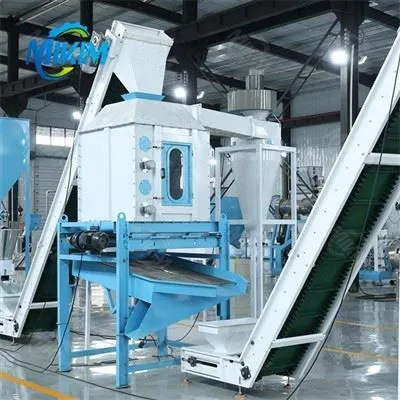
3. Different processing technology and supporting equipment: Feed pellet mills require raw material crushing and mixing equipment, and some require steam conditioning systems, focusing on the nutritional uniformity of raw materials; Wood pellet mills require raw material drying and crushing equipment (the moisture content of biomass raw materials needs to be controlled at 12%-15%), do not require a conditioning system, and focus more on the dryness of raw materials and compression molding efficiency.



about Us
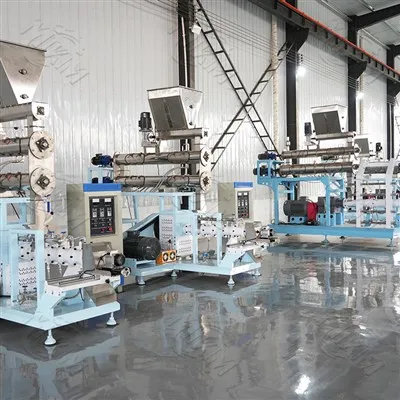
MIKIM is a high-tech enterprise integrating R&D, production, and sales. Its feed extrusion equipment utilizes a high-temperature, high-pressure process, which sterilizes, improves puffing density and digestibility, and saves 8%-15% on feed costs. Pellet diameters are adjustable from 1-16 mm, and it features controllable cutting and floating adjustment to suit the needs of fish, shrimp, crab, and pet food. Core components are sourced from international brands and undergo special treatment, ensuring stability and durability while balancing safety, efficiency, and peace of mind.
Qualifications and Honors

FAQ
1. What is the price of the animal feed machine?
The price ranges from approximately $4,000-$15,000
2. Do you provide maintenance services for your customers?
Yes, we offer comprehensive after-sales maintenance services to our customers.