Which Feed Formulation Is Ideal For Fish Under High-density Culture Conditions?
Leave a message
Differences in production methods
1. Pelleted Feed: The raw materials are mainly high-protein and high-energy components (such as fishmeal, meat and bone meal, and oil). After grinding and mixing, the mixture is steam-conditioned (temperature 85-95℃), and then extruded under high pressure in a pellet mill. The finished pellets have high hardness and density, with a moisture content controlled at 10%-12%, facilitating mechanized feeding.


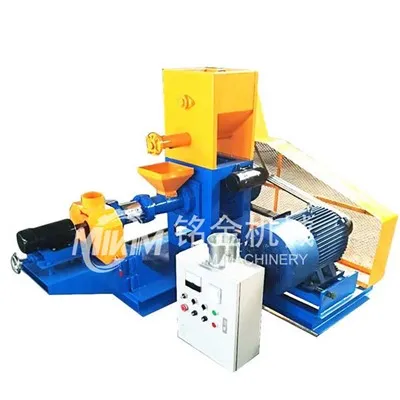
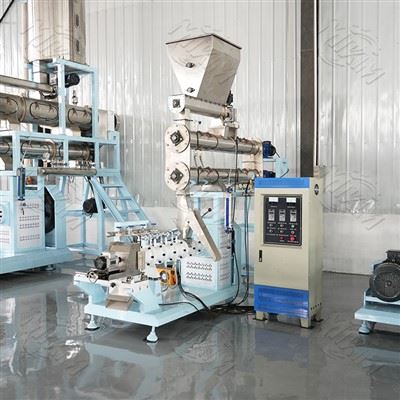
2. Extruded Feed: The raw materials are ground to a particle size of 90 mesh or higher. Probiotics and prebiotics are added during mixing. After conditioning, the mixture is extruded under high temperature and high pressure in an extruder at 120-130℃. Some products are externally coated with oil (oil content can reach 8%-12%). The finished pellets have high porosity and low density, suitable for precise feeding in automated feeding equipment.


Advantages and disadvantages of both
1. Pelleted FeedAdvantages: High energy density, meeting the rapid growth needs of high-density farmed fish; low production cost, 16%-20% lower than extruded feed, reducing cost pressures for large-scale farming; high pellet hardness, less prone to breakage during mechanized feeding, reducing feed loss.
Disadvantages: Low digestibility and absorption rate; high nitrogen and phosphorus content in fish feces, easily leading to eutrophication and increasing the cost of recirculating water treatment; poor stability in water, dissolving within 30-40 minutes, requiring frequent feeding and increasing labor and equipment energy consumption.

2. Extruded Feed
Advantages: High digestibility and absorption rate; nitrogen and phosphorus utilization in feed increased by 15%-20%, reducing water pollution and lowering water treatment costs; strong water stability, remaining undissolved in water for 1.5-2 hours, suitable for timed and quantitative feeding with automated feeding equipment; the extrusion process improves feed palatability, increases fish feeding rate, and reduces uneaten feed.
Disadvantages: High production cost; high temperatures during processing can inactivate some probiotics, requiring secondary addition; low particle density; if feeding equipment is not properly adjusted, feed may float out of the aquaculture pond, increasing losses.

Particle selection
1. Fish species suitable for pelleted feed include tilapia and catfish, which are tolerant of low oxygen levels and have high digestibility. These fish can digest pelleted feed well even in high-density environments, and their short growth cycle (6-8 months) allows the cost advantage of pelleted feed to be quickly realized. Additionally, grass carp (weighing over 500 grams) raised in high-density environments are also suitable for pelleted feed, as their digestive systems are mature enough to adapt to the digestive requirements of pelleted feed.
2. Fish species suitable for extruded feed include bass, snakehead, and yellow catfish, which are of high economic value and sensitive to water quality. The low-pollution characteristics of extruded feed can maintain the stability of the aquaculture water and reduce the risk of disease in fish. Furthermore, salmon, trout, and grouper raised in recirculating aquaculture systems must also use extruded feed, as its high digestibility and compatibility with automated feeding meet the requirements of high-density, intensive aquaculture.
FAQ
1. What is the price of the Complete Feed Expansion Production Line?
The price ranges from approximately $20,000-$55,000
2. Do you provide maintenance services for your customers?
Yes, we offer comprehensive after-sales maintenance services to our customers.