

Are Dry Pet Food Production Lines A Good Option For Rabbit Farmers Looking To Address Picky Eating And Nutritional Issues?
Leave a message
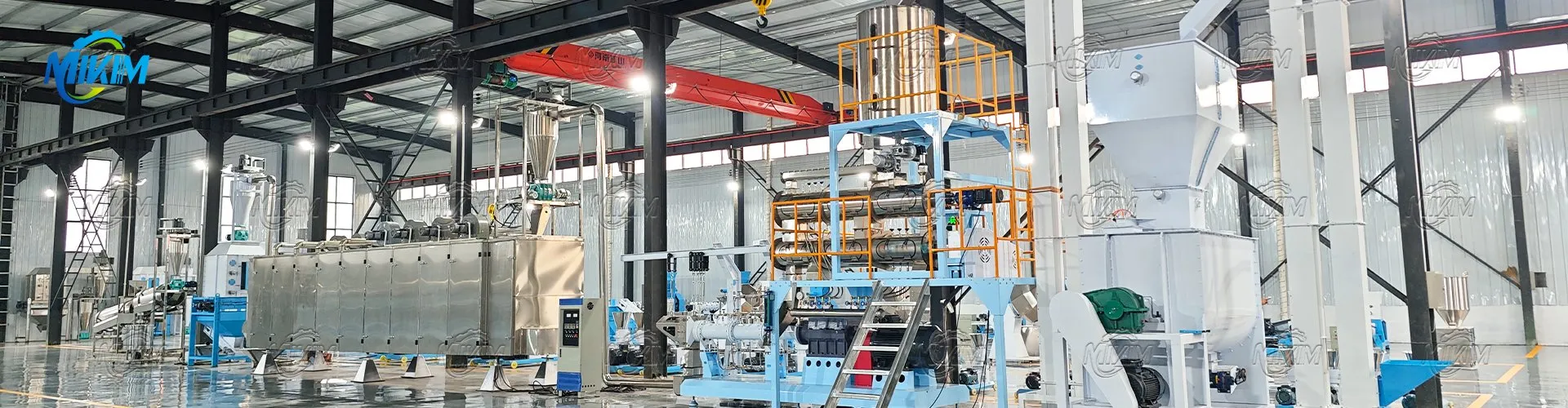
Rabbit farmers know that rabbits are delicate; improper diet can easily lead to diarrhea and coccidiosis. Previously, feeding them fresh grass was problematic; it would easily mold in summer, and fresh grass was unavailable in winter. Feeding them hay resulted in rabbits being picky eaters, only consuming the leaves and not the stalks, leading to insufficient nutrition and slow growth. Later, a rabbit feed pellet production line was installed, grinding grass and straw into powder and making pellets. The rabbits became less picky eaters and grew faster. This raises the question: does rabbit farming really need a pellet production line? The answer is definitely yes, especially for large-scale rabbit farming-it's absolutely necessary.
Three aspects
First, the rabbit feed pellet production line solves the problem of "picky eating and nutritional imbalances in rabbits." Rabbits love to eat grass leaves but dislike straw, yet straw is rich in fiber, which is good for their intestines. The pellet production line mixes grass, straw, cornmeal, and soybean meal in a specific ratio, grinds it into powder, and then presses it into pellets. Each pellet contains all the ingredients, so rabbits have no choice but to eat them all, resulting in a balanced diet. For example, previously, when fed hay, rabbits only ate the leaves, leading to insufficient fiber intake and diarrhea in 10% of rabbits each month. After switching to pellet feed, fiber intake is sufficient, reducing diarrhea to below 1%, and rabbits grow more evenly. Previously, it took them 3 months to reach 2 pounds; now, they reach 2 pounds in 2.5 months.
Second, the extruded pellet production line ensures the feed is "hygienic, safe, and durable for storage." Fresh grass is prone to spoilage and mold in summer, which can poison rabbits; loose powder feed easily absorbs moisture and clumps, and is also susceptible to contamination by rodents and insects. The feed produced by the pellet production line undergoes high-temperature extrusion, which kills mold and insect eggs in the raw materials. The pellets are also compact with low moisture content (below 12%), allowing them to be stored in sealed bags for 3-6 months. They are resistant to mold in summer and ensure feed availability in winter. For example, a rabbit farmer used to throw away 20 catties of moldy hay every month in the summer, losing 100 yuan. After using pellet feed, he no longer wastes any, saving 1200 yuan a year.
Furthermore, the pet feed production line can "save labor and improve efficiency." For large-scale rabbit farming (e.g., raising 100 rabbits), previously, cutting hay and mixing feed took 2-3 hours daily. Installing a small pellet production line allows for 2 hours each weekend to produce a batch of feed (enough for one week), and only requires 1 hour of work per day during the week, saving half the labor. Moreover, pelleted feed is convenient to feed. There is no need to mix it; you can just pour it directly into the feed trough. The rabbits won't make a mess while eating, and cleaning the feed trough is also easier. It's much cleaner than feeding grass or powdered feed.
Main equipment



about Us
Qualifications and Honors

Customer visit

FAQ
1. What is the price of the pet food pellet production line?
The price ranges from approximately $14,000-$41,000
2. Do you provide maintenance services for your customers?
Yes, we offer comprehensive after-sales maintenance services to our customers.


