Can Chicken Pellet Feed Production Lines Increase Egg Production in Laying Hens?
Leave a message
The egg-laying process in laying hens is essentially an endocrine regulatory process involving the hypothalamus-pituitary-ovarian axis, with environmental factors acting as the "triggers" for this system. Physiologically, the optimal temperature range for laying hens during their breeding season is extremely demanding. When the temperature drops below 18°C, hens consume a large amount of energy to maintain body temperature, leading to insufficient nutrition for follicle development; for every 1°C decrease in temperature, the egg production rate drops by 1.5%. When the temperature exceeds 25°C, hens have difficulty dissipating heat, resulting in a reduction in feed intake of over 20%, and simultaneously, ovarian function is suppressed, causing a direct drop in egg production rate of 20%. Light stimulates the hypothalamus to secrete gonadotropins through the retina. When the light duration is less than 16 hours, gonadotropin secretion decreases by 30%, preventing follicles from maturing and releasing eggs normally. Conversely, excessively strong light (above 30 lux) or fluctuating light intensity can cause stress in laying hens, leading to abnormal behaviors such as egg pecking and broodiness.
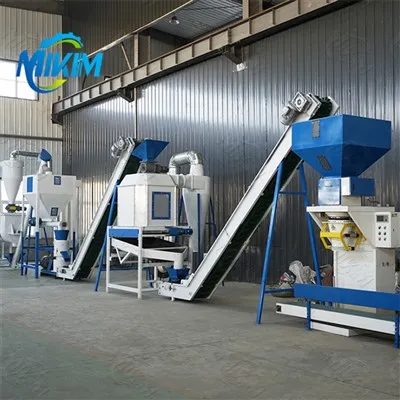
In traditional poultry farming, farmers like Ms. Zhang rely on "feeding according to the weather and adjusting the temperature by feel," making it difficult to guarantee stable lighting duration with manual switching of lights, leaving laying hens in the dark on rainy days. In summer, they rely on fans, and in winter, they rely on burning coal to regulate temperature, resulting in large temperature fluctuations and a high risk of carbon monoxide poisoning. Automated Feed Pellet Equipment, however, constructs a "comprehensive environmental management network," completely eliminating reliance on manual labor.
Livestock feed complete equipment is equipped with digital temperature and humidity sensors that collect data from the chicken coop every 30 seconds. When the temperature exceeds 22°C, the system automatically activates the water curtain for cooling; when it falls below 20°C, the underfloor heating system simultaneously raises the temperature, consistently maintaining a stable temperature within the "golden range" of 20-22°C. Humidity is precisely controlled between 50% and 60% through a spray system, preventing excessive humidity from promoting mold growth and excessively low humidity from causing respiratory diseases in the hens. The lighting system uses LED cold light sources, simulating the natural sunrise and sunset rhythm. It automatically brightens at 5:00 AM and dims at 7:00 PM daily, maintaining a stable light intensity of 20 lux, meeting endocrine needs without stimulating the laying hens.
Even more thoughtful is the automatic manure removal system on the chicken feed production line. A conveyor belt-mounted manure removal device cleans manure every two hours, combined with a negative pressure ventilation system, controlling ammonia concentration in the chicken house to below 15 ppm. This reduces the risk of pathogen growth by 80% compared to traditional chicken houses that only require weekly manure removal. In this environment, the laying hens experience significantly reduced stress, and the incidence of reproductive diseases such as oviductitis drops from 12% to below 3%.
The profit improvement brought about by environmental optimization is extremely significant. Three months after Ms. Zhang introduced the production line, the egg production rate of the hens steadily increased from 75% to 92%, and the peak egg-laying period extended from 8 months to 12 months. The previous 8% egg breakage rate has been reduced to 2%. Based on her 5,000 laying hens, this means 2,000 fewer broken eggs per month. At the same time, each 1,000 hens produces an additional 12,000 eggs per month. At the local market price of 5 yuan per jin (approximately 0.5 yuan per egg), this translates to an additional 30,000 yuan in monthly income from eggs alone. After deducting production line operating costs, the net profit increases by 18,000 yuan. The automation of the production line has also completely freed up labor. What used to require four people to manage the chicken coop can now be easily handled by two, saving 60,000 yuan in labor costs annually and resulting in a total annual income increase of nearly 100,000 yuan.


about Us
Qualifications and Honors

Customer visit

FAQ
1. What is the price of the Poultry Feed Complete Equipment?
The price ranges from approximately $11,500-$60,000
2. Do you provide maintenance services for your customers?
Yes, we offer comprehensive after-sales maintenance services to our customers.