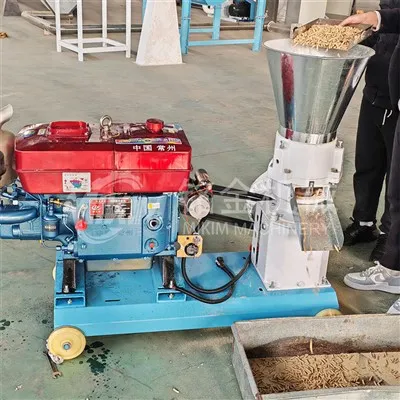
Do You Need To Purchase A Poultry Farm Feed Machine For Poultry Farming?
Leave a message
Cost considerations are the most direct. The main components of poultry feed are corn, soybean meal, and wheat bran. The market prices of these raw materials are relatively transparent. The cost advantage of homemade pelleted feed mainly comes from the "price difference in raw material procurement" and the "absence of brand premium." Taking a 10,000 broiler chicken farm as an example, approximately 12 tons of feed are needed from chicks to market weight. Commercial feed costs about 4,500 yuan per ton, for a total cost of 54,000 yuan. However, purchasing corn, soybean meal, and other raw materials to make homemade feed costs about 3,200 yuan per ton, for a total cost of 38,400 yuan, a difference of 15,600 yuan. Typically, when the farm reaches a scale of 3,000 laying hens or 5,000 broilers, the cost savings from homemade feed are sufficient to cover the investment in a small poultry feed maker machine (20,000-30,000 yuan), and stable cost savings can be achieved annually thereafter. If the farm has less than 1,000 chickens, the cost advantage of homemade feed is not significant, and purchasing commercial feed is more cost-effective.
Feed quality and the needs of farm management are another important criterion. Commercial feed often contains preservatives and other additives to extend shelf life, while homemade feed allows for "freshly made and used" production, avoiding the negative impact of additives on poultry growth. This makes it particularly suitable for producing organic eggs and meat. Furthermore, poultry at different growth stages have vastly different nutritional needs. Chicks require high-protein, high-energy feed, while laying hens require high-calcium feed. Using a hen food making machine allows for precise formulation adjustments. For example, for laying hens at peak egg production, adding 10%-15% shell powder to the feed can control the calcium content at 3.5%-4%, improving egg production and eggshell quality. In addition, pelleted feed is less prone to dust generation, reducing the incidence of respiratory diseases in poultry, and lowering feed waste from 15% with commercial powdered feed to below 5%, further reducing farming costs.
It is important to note that the choice of an Alfalfa pellet mill must be appropriate for the scale of the farm. For 3,000-5,000 poultry, a small pellet mill with an hourly capacity of 100-200 kg is suitable, requiring an investment of 20,000-30,000 yuan; for 5,000-10,000 poultry, a medium-sized pellet mill with an hourly capacity of 300-500 kg is suitable, requiring an investment of 50,000-80,000 yuan. If you plan to expand your poultry farming scale or have high requirements for the quality of poultry eggs and meat, then purchasing a feed pellet mill is undoubtedly a key measure to improve farming efficiency.
Why choose us?
The MIKIM extruder is constructed entirely of food-grade 304 stainless steel, fully complying with food processing hygiene standards. It is corrosion-resistant, easy to clean, and eliminates potential contamination at the source. The core screw is made of high-quality alloy steel through special heat treatment, offering outstanding wear resistance and corrosion resistance. Combined with its integrated structural design, this significantly extends its service life. The entire machine has passed CE and ISO international authoritative certifications, aligning with global quality standards and ensuring safer and more reliable processing.
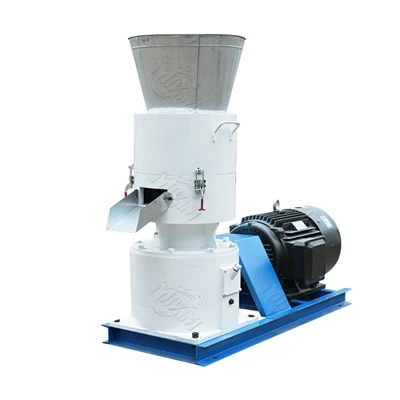
Our equipment



Our Services
We offer:
One-Year Whole Machine Warranty Service
On-site Installation, Commissioning, and Technical Guidance
24/7 Online Technical Support
Qualifications and Honors

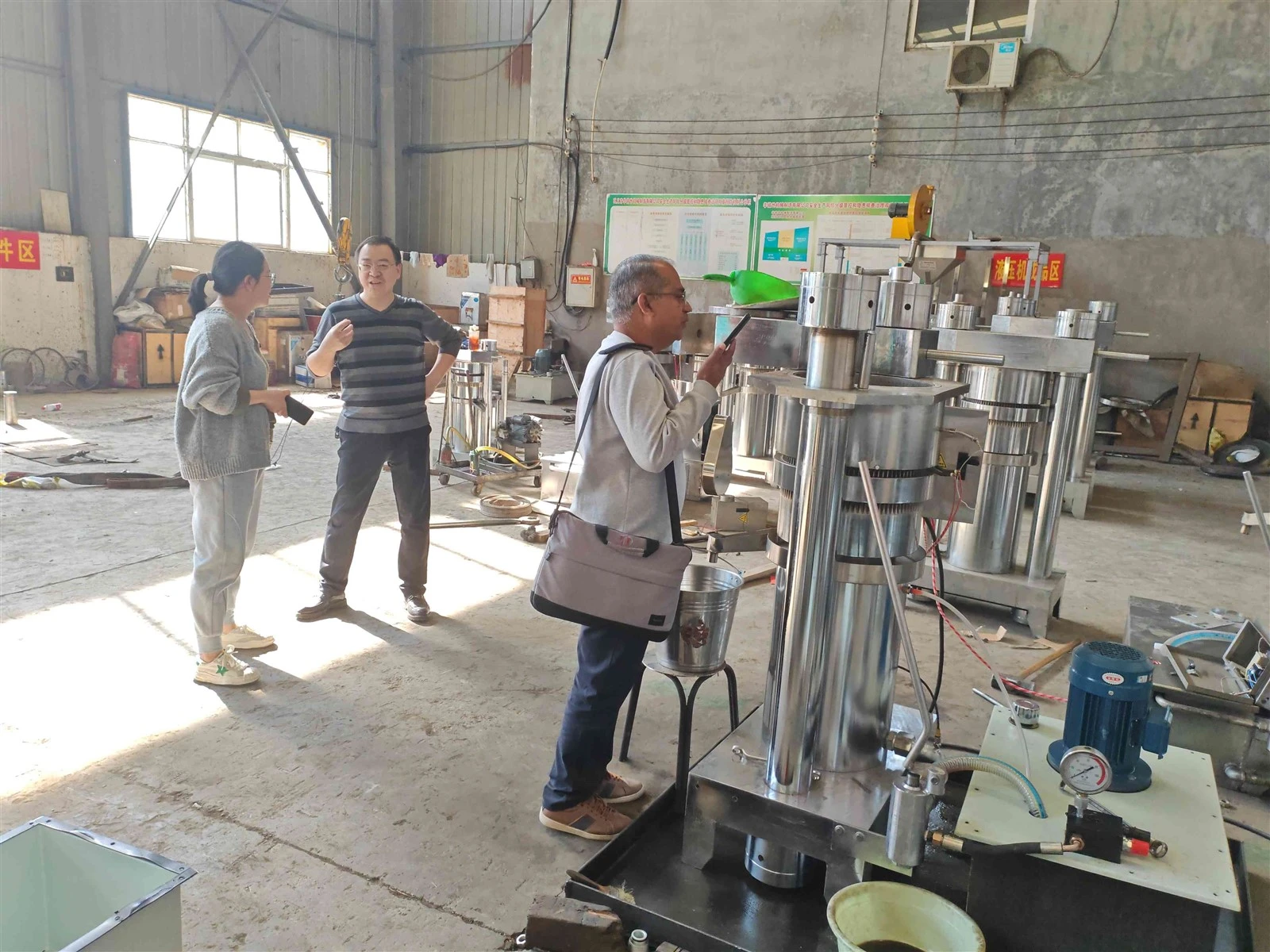
Customer visit
FAQ
1. What is the price of the animal feed manufacturing machine?
The price ranges from approximately $2,500-$50,000
2. Do you provide maintenance services for your customers?
Yes, we offer comprehensive after-sales maintenance services to our customers.