How Does The Feed Pellet Machine Work?
Leave a message
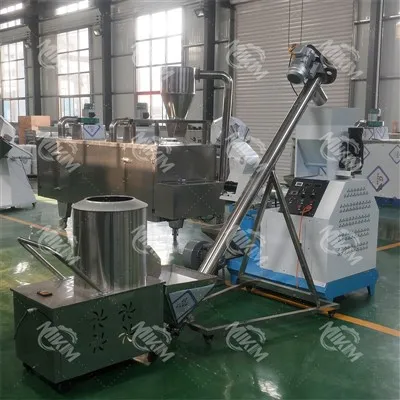
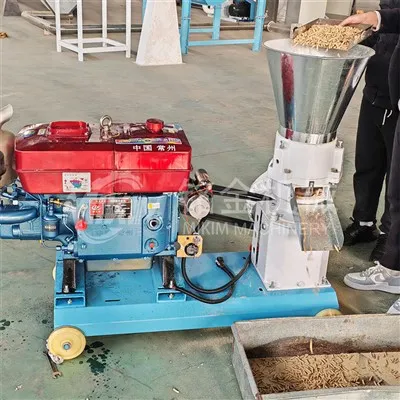
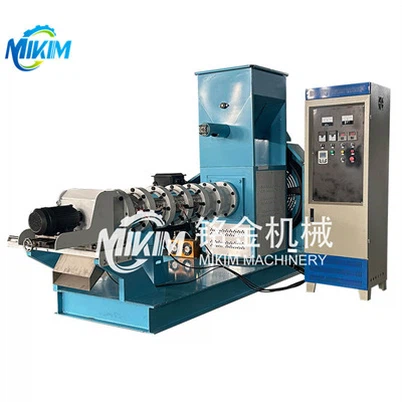
Today I will introduce to you the pelletizing process of a feed pellet machine. It is a common agricultural machinery and is mainly used to process various feed raw materials into pellets. This kind of machinery is widely used in agricultural production and can provide convenient and efficient feed supply for animal husbandry; the feed pellet machine can process various feed raw materials into granules of uniform size and consistent shape. This processing method can make the feed easier to store, transport and feed, while also improving feed utilization and animal digestibility. First of all, the raw materials required for pelletizing by the feed pellet machine include various grains, soybean meal, fish meal, etc. These raw materials need to be strictly screened and cleaned to ensure their quality and purity. At the same time, according to different formula requirements, appropriate amounts of additives and vitamins need to be added.

| Model | Capacity (kg/hr) | Power(KW) | Weight(kg) | Dimension (cm) |
| MK-125 | 80-100 | 3 | 95 | 110*35*700 |
| MK-150 | 110-150 | 4 | 98 | 115*35*80 |
| MK-210 | 200-300 | 7.5 | 280 | 115*45*95 |
| MK-230 | 350-450 | 11 | 300 | 138*46*100 |
| MK-260 | 500-600 | 15 | 315 | 130*53*105 |
| MK-300 | 700-800 | 22 | 600 | 145*62*120 |
| MK-360 | 800-900 | 22 | 795 | 160*67*145 |
| MK-400 | 1000-1200 | 30 | 1000 | 160*67*145 |
Next is the pretreatment before granulation. This step includes operations such as crushing, mixing, and tempering of raw materials. Crushing is to break the raw materials into smaller particles to facilitate the subsequent granulation process. Mixing is to mix various raw materials evenly to ensure the quality and stability of the feed. Conditioning is to adjust the humidity and temperature of the raw materials to make them more suitable for granulation. Then comes the granulation process. Granulation is a process in which pretreated raw materials are pressed into granular form through a granulator. In this process, the raw materials are fed into the granulator and gradually form granules through compression and friction. At the same time, the granulator also controls the size, shape and hardness of the particles by adjusting parameters such as pressure, temperature and moisture.