How Raw Materials Affect Small Fish Feed Pellet Extruder Choice?
Leave a message
The core characteristic of mixed raw materials is "diverse components and conflicting properties," such as the conflict between the starch gelatinization requirements of grains and the low-temperature processing requirements of proteins, and the conflict between the high torque requirements of fibers and the mild processing requirements of other components. Therefore, a suitable floating fish feed making machine must possess the characteristics of "segmented control and multi-structure compatibility." A multi-functional twin-screw pellet mill meets the processing needs of different components through segmented heating of the barrel (feed section 60℃, extrusion section 100℃, forming section 80℃)-the low temperature in the feeding section prevents protein denaturation, the medium temperature in the extrusion section promotes starch gelatinization, and the cooling in the forming section ensures pellet stability. Its twin-screw shearing and mixing capabilities also ensure uniform distribution of fiber, protein, and grains, avoiding nutritional imbalances.
For conventional mixed raw materials with "low fiber + high grain + medium protein" (such as laying hen feed), modified ring die fish feed production equipment is a cost-effective choice. This type of pellet mill adds a premixing chamber and a temperature sensor to the conventional ring die mill. The premixing chamber ensures uniform mixing of the raw materials, and the temperature sensor monitors the extrusion temperature in real time to prevent excessive protein denaturation. A feed mill in Henan province, when processing laying hen feed with a composition of 50% corn, 30% soybean meal, and 20% wheat bran, saw its pellet nutrient uniformity coefficient of variation decrease from 12% to 5% after selecting this machine model, resulting in an 8% increase in egg production.
The selection of mixed feed ingredients should follow the principle of "prioritizing dominant components": if the fiber content is >30%, a high-torque pellet mill (such as a vertical ring die mill) should be used as the base, coupled with a temperature control system; if the protein content is >30%, a low-temperature pellet mill (such as a twin-screw extruder) should be used as the core to enhance mixing capacity; if the grain content is >50%, a modified ring die mill can be selected to control costs while ensuring quality. Furthermore, online monitoring equipment is necessary to monitor pellet hardness, density, and nutrient distribution in real time, and to fine-tune animal feed pellet extruder parameters based on the test results to ensure product stability.
Why choose us?
The MIKIM's floating fish feed extruder machine is constructed entirely of food-grade 304 stainless steel, fully complying with food processing hygiene standards. It is corrosion-resistant, easy to clean, and eliminates potential contamination at the source. The core screw is made of high-quality alloy steel through special heat treatment, offering outstanding wear resistance and corrosion resistance. Combined with its integrated structural design, this significantly extends its service life. The entire machine has passed CE and ISO international authoritative certifications, aligning with global quality standards and ensuring safer and more reliable processing.
Our equipment


Our Services
We offer:
One-Year Whole Machine Warranty Service
On-site Installation, Commissioning, and Technical Guidance
24/7 Online Technical Support
Qualifications and Honors

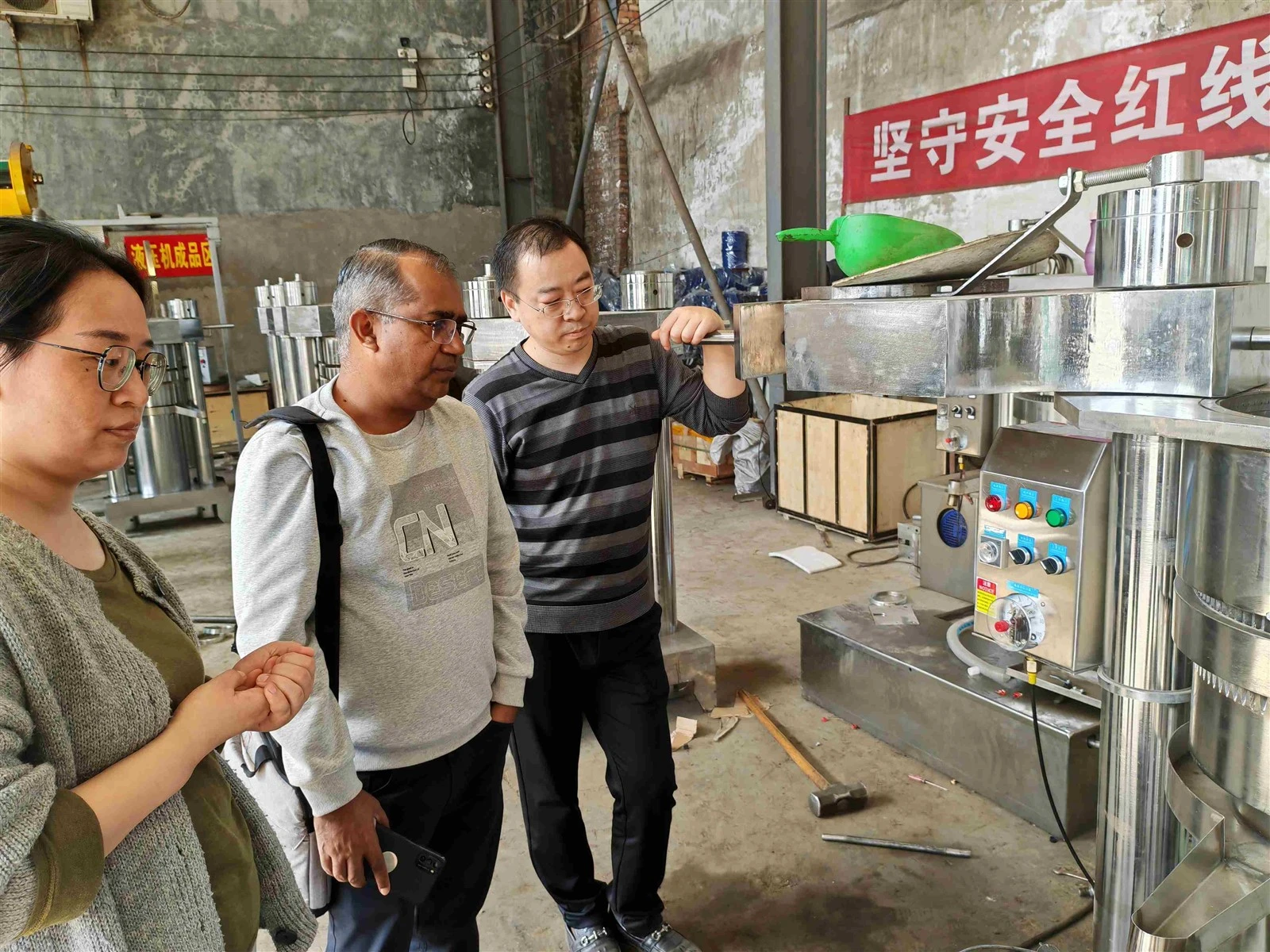
Customer visit