The Role Of Raw Materials in Determining The Type Of Floating Fish Feed Pellet Making Machine
Leave a message
The core processing challenge of high-moisture raw materials lies in their high viscosity, tendency to clump, and difficulty in drying. The key requirements for pellet mills are "anti-clogging and simultaneous dehydration." A drum-type floating fish feed pellet machine with a drying function is the optimal choice. Its working principle involves mixing high-moisture raw materials with dry powder additives (such as corn flour) in a specific ratio. The mixture is initially shaped by tumbling within the drum using lifting plates. Simultaneously, an external heating device (steam or electric heating) reduces the moisture content of the raw materials to 15%-20%, before finally extruding them into pellets by pressure rollers. This "mix and condition moisture first, then dry and shape" process perfectly solves the clogging problem of high-moisture raw materials. For example, when processing soybean residue, the moisture content can be reduced from 50% to 18%, achieving a pellet formation rate of 95%.
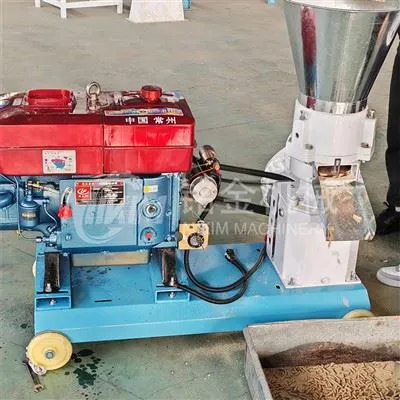
For medium-to-high moisture raw materials (30%-40%), such as wet corn stalks, a horizontal ring die pellet mill combined with a conditioner is a cost-effective option. The conditioner uses steam heating and stirring to ensure even moisture distribution in the raw materials, while simultaneously activating starch gelatinization and increasing viscosity, preparing for subsequent pelleting. The horizontal ring die floating fish food extruder uses a horizontal feeding method, preventing raw materials from piling up under gravity. Combined with a large-diameter die orifice (8-12mm), this effectively reduces the risk of clogging. A fish farm in Shandong, processing wet alfalfa (35% moisture content), reduced equipment downtime for cleaning from 2 hours to 30 minutes per day after adopting this combination solution.
When selecting a floating fish feed pellet making machine, the dehydration capacity and anti-stick design should be given priority. The dehydration capacity must match the moisture content of the raw material. For example, when processing distiller's grains with 60% moisture content, the pellet mill's drying power must be ≥20kW. Regarding the anti-stick design, the inner wall of the barrel should be coated with Teflon to reduce raw material adhesion, and an automatic cleaning device should be installed to regularly scrape away residue from the inner wall. Furthermore, avoid using flat die pellet mills to process high-moisture raw materials, as their vertical feeding structure easily leads to raw material clumping and clogging at the feed inlet, preventing normal production.
egin.
Why choose us?
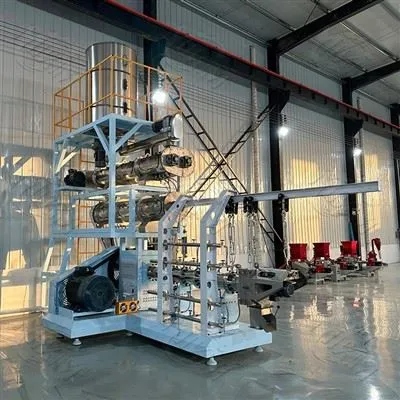
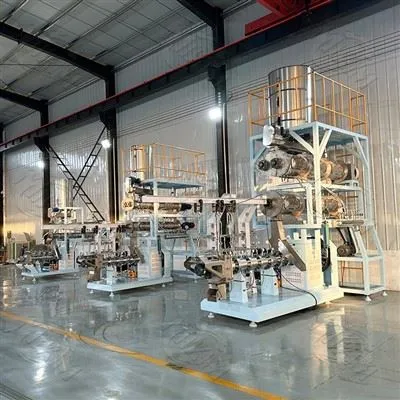
The MIKIM's floating fish feed extruder machine is constructed entirely of food-grade 304 stainless steel, fully complying with food processing hygiene standards. It is corrosion-resistant, easy to clean, and eliminates potential contamination at the source. The core screw is made of high-quality alloy steel through special heat treatment, offering outstanding wear resistance and corrosion resistance. Combined with its integrated structural design, this significantly extends its service life. The entire machine has passed CE and ISO international authoritative certifications, aligning with global quality standards and ensuring safer and more reliable processing.
Our equipment


Our Services
We offer:
One-Year Whole Machine Warranty Service
On-site Installation, Commissioning, and Technical Guidance
24/7 Online Technical Support
Qualifications and Honors

Customer visit