

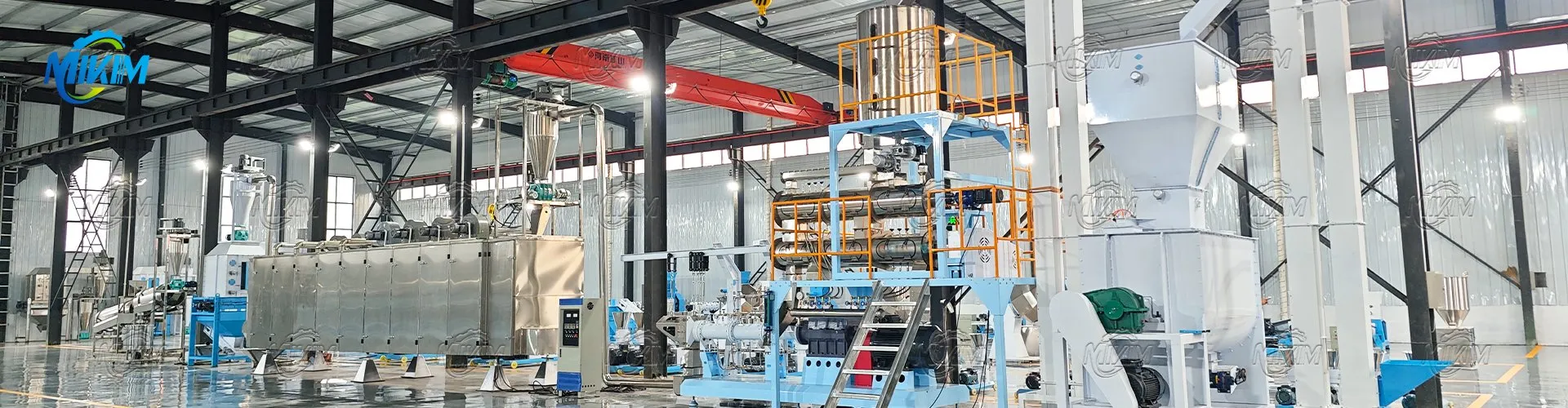
How To Control The Material Selection And Finished Products Of Feed Pellet Production Line?
Leave a message
Methods for optimizing mixed feed process
1. Select suitable raw materials
When optimizing the mixed feed process, raw materials suitable for animal growth needs should be selected. Generally speaking, high-quality, safe and nutritious raw materials should be given priority, and the proportions of various raw materials should be reasonably matched according to the different growth stages and physiological characteristics of animals.
2 Strictly control the mixing quality
In the process of mixing feed, attention should be paid to ensuring the quality and freshness of various raw materials to avoid the intake of bad nutrients by animals due to raw material quality problems. In addition, the mixing time and temperature should be strictly controlled to ensure that the mixing uniformity meets the standard requirements.

|
Model |
Capacity |
Power |
|
MK-150 |
120-150kg/h |
4kw |
|
MK-210 |
200-300kg/h |
7.5kw |
|
MK-260 |
500-600kg/h |
15kw |
|
MK-300 |
700-800kg/h |
22kw |
3. Regularly test and adjust the formula
In order to ensure that the mixed feed always meets the growth needs of animals and changes in environmental conditions, the mixed feed should be tested regularly, such as nutrient content determination, digestion and absorption rate detection, etc. According to the test results, the formula should be adjusted in time to maintain the optimal performance of the mixed feed.
In short, the optimization of mixed feed process is the key to improving breeding efficiency. By selecting appropriate raw materials, strictly controlling the mixing quality, and regularly testing and adjusting the formula, the mixed feed process can be optimized, thereby improving animal production performance, reducing breeding costs, protecting the environment and achieving sustainable development.
