How To Maintain And Maintain The Feed Pellet Production Line?
Leave a message
However, the normal operation and service life of the equipment cannot be separated from regular maintenance and maintenance. This article will introduce the maintenance and maintenance methods of feed machinery and equipment from the following aspects.
Daily inspection of equipment
1. Equipment operation status: Regularly check the operation status of the equipment, such as whether the transmission parts are tight, whether the bearings are well lubricated, whether the motor has abnormal sounds, etc. Find problems and deal with them in time to avoid small problems from turning into major failures.
2. Equipment cleaning: Keep the equipment clean, especially the feeding, conveying and mixing parts of the equipment, to avoid accumulation of materials affecting the normal operation of the equipment. For equipment that needs to be washed with water, it should be cleaned regularly to prevent scale and dirt from damaging the equipment.
3. Electrical system inspection: Regularly check the electrical system of the equipment, including power lines, cable connectors, switches, etc., to ensure the safety and reliability of the electrical system. For wearing parts, such as fuses, contactors, etc., they should be checked and replaced regularly to prevent problems before they happen.

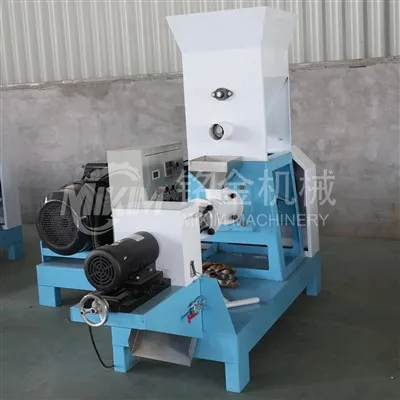
| Model | Capacity | Power | Dimension | Weight |
| 125 | 80-100kg/h | 3kw | 110*35*70 cm | 95 kg |
| 150 | 120-150kg/h | 4kw | 115*35*80cm | 100 kg |
| 210 | 200-300kg/h | 7.5kw | 115*45*95cm | 300 kg |
| 260 | 500-600kg/h | 15kw | 138*46*100cm | 350 kg |
| 300 | 700-800kg/h | 22kw | 130*53*105cm | 600 kg |
| 360 | 900-1000kg/h | 22kw | 160*67*150cm | 800 kg |
| 400 | 1200-1500kg/h | 30kw | 160*68*145cm | 1200 kg |
Equipment regular maintenance
1. Lubricant replacement: Lubricants should be replaced regularly according to the equipment's operating environment and workload to ensure the equipment's lubrication performance. For load-bearing equipment such as reducers and sprockets, lubricants should be added regularly to prevent increased wear.
2. Wear parts inspection: Wear parts of equipment, such as gears and bearings, should be inspected or replaced regularly. For severely worn parts, they should be replaced in time to avoid equipment downtime accidents caused by parts damage.
3. Equipment disassembly and cleaning: For major and minor repairs of equipment, disassembly and cleaning should be carried out in accordance with the requirements of the maintenance manual. During the cleaning process, attention should be paid to protecting the surface quality of parts and components to avoid scratching or damaging parts during the cleaning process.
4. Equipment calibration and adjustment: According to the equipment's usage and production process requirements, the equipment should be calibrated and adjusted regularly. Calibration and adjustment can ensure the equipment's operating accuracy and stability and improve production efficiency.