

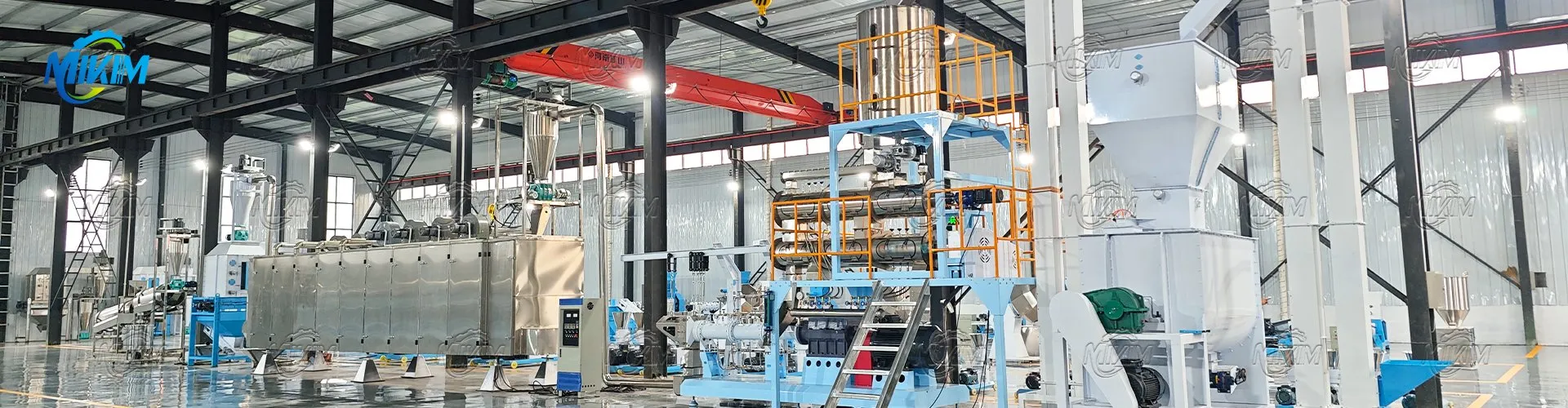
What Is An Automatic Duck Feed Production Line
Leave a message
raw material
1. Energy Ingredients: Corn (45%-55%, main energy source, promotes duck weight gain), sorghum (10%-15%, replaces some corn, reduces costs, and is easily digestible for ducks), rice bran (8%-12%, rich in oil and dietary fiber, improves feed palatability, suitable for fattening broiler ducks);
2.Protein Ingredients: Soybean meal (20%-25%, core plant protein, contains essential amino acids for ducks), rapeseed meal (5%-8% after detoxification, supplements protein, cost-effective), silkworm pupa powder (3%-5%, animal protein source, improves muscle quality in broiler ducks and egg production in laying ducks);
3. Crude Fiber and Micronutrients: Wheat bran (5%-10%, increases crude fiber, promotes intestinal digestion in ducks), alfalfa meal (3%-5%, supplements vitamins and crude fiber, suitable for the bone development of young ducks), limestone powder (4%-6% added to laying ducks, enhances calcium absorption, prevents soft-shelled eggs), vitamin premix (0.5%-1%, contains B vitamins, vitamin C, etc.). K, to enhance ducks' stress resistance), mineral premix (0.3%-0.5%, with added manganese, iodine, etc., to prevent duck joint diseases).
Operating procedures
1. Raw Material Cleaning: Remove impurities from corn and soybean meal manually or mechanically. Pass sorghum and rice bran through a vibrating screen to remove dust and debris.
2. Crushing Processing: Start the crusher, install a 60-80 mesh screen, and crush lumpy raw materials. Store the crushed materials temporarily in the silo.
3. Automatic Feeding: Based on the duck's growth stage formula, start the automatic feeding system to accurately weigh various raw materials and convey them to the twin-shaft mixer.
4. Mixing and Conditioning: Set the mixing time in the mixer (12-18 minutes). After mixing, convey the material to the conditioner, adjust the steam parameters to ensure the material meets conditioning standards.
5. Pelletizing Operation: Start the pellet mill, install the corresponding aperture ring die, adjust the roller gap, and continue feeding pellets after the pellets have stabilized.
6. Drying and Cooling: Send the wet pellets into the dryer, set the temperature and time, and after drying, transfer them to the cooler to cool to room temperature.
7. Screening and Packaging: Start the grading screen to screen qualified pellets. Unqualified fragments are returned to the silo. Qualified pellets are bagged using a packaging machine (usually...). 40kg/bag), labeled and then stored.


Final product display

about Us
MIKIM is a high-tech enterprise integrating R&D, production, and sales. Its feed extrusion equipment utilizes a high-temperature, high-pressure process, which sterilizes, improves puffing density and digestibility, and saves 8%-15% on feed costs. Pellet diameters are adjustable from 1-16 mm, and it features controllable cutting and floating adjustment to suit the needs of fish, shrimp, crab, and pet food. Core components are sourced from international brands and undergo special treatment, ensuring stability and durability while balancing safety, efficiency, and peace of mind.
Qualifications and Honors

Customer visit

FAQ
1. What is the price of the Automated Feed Pellet Equipment?
The price ranges from approximately $25,000-$65,000
2. Do you provide maintenance services for your customers?
Yes, we offer comprehensive after-sales maintenance services to our customers.


