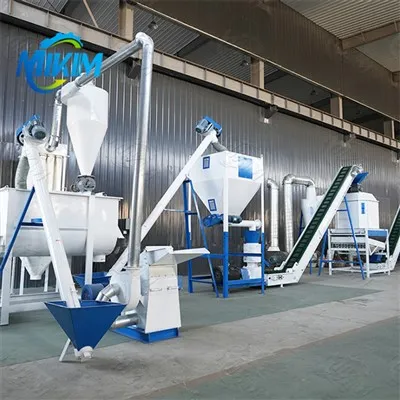
What Is The Function Of Each Part Of The Poultry Feed Production Line?
Leave a message
poultry feed production line
Traditional artificial ingredients and intermittent production modes are gradually being replaced by intelligent continuous production lines. This transformation not only improves efficiency, but more importantly, it fundamentally improves the physical properties and nutritional stability of feed products.
A complete feed pellet production line mainly includes: crushing, mixing, granulation, cooling and packaging.

| Capacity | 1-2t/h |
| Power | 62.5kw |
| Range of application | Suitable for small/medium commerical feed factory,big farm |
| Size | 10*3*6m |
| Workers requirments | 2-3 people |
| Shipment requirments | 20ft container |
| Product advantages | Stable output, high efficiency,continuous work, labor saving,can pack directly,pellet size could be chosen from 1-12mm |
The core process is pelletizing. A pelletizer is an industrial pelletizing machine primarily used to process moist powder or dry bulk materials into pellets of specific specifications. These pellets are used in feed production, organic fertilizer processing, fuel preparation, and the chemical industry.
The cooling process is often overlooked, but it actually impacts the moisture content of the final product. The new counterflow cooling tower utilizes a multi-stage temperature control design. A sensor network monitors the pellet temperature curve in real time, automatically adjusting the cooling air volume and duration.
The quality inspection equipment on the packaging line deserves special mention. Each bag of feed undergoes metal detection, weight verification, and visual inspection. Any unqualified product is automatically rejected. The sealing temperature of the packaging bag is closed-loop controlled to ensure consistent seal strength under varying ambient temperatures.
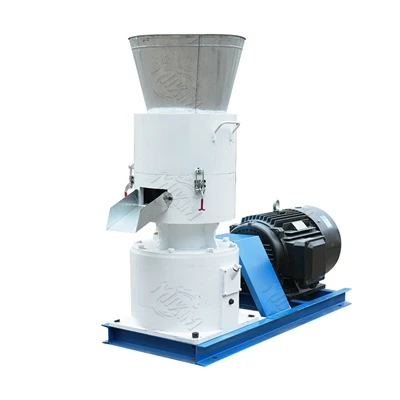
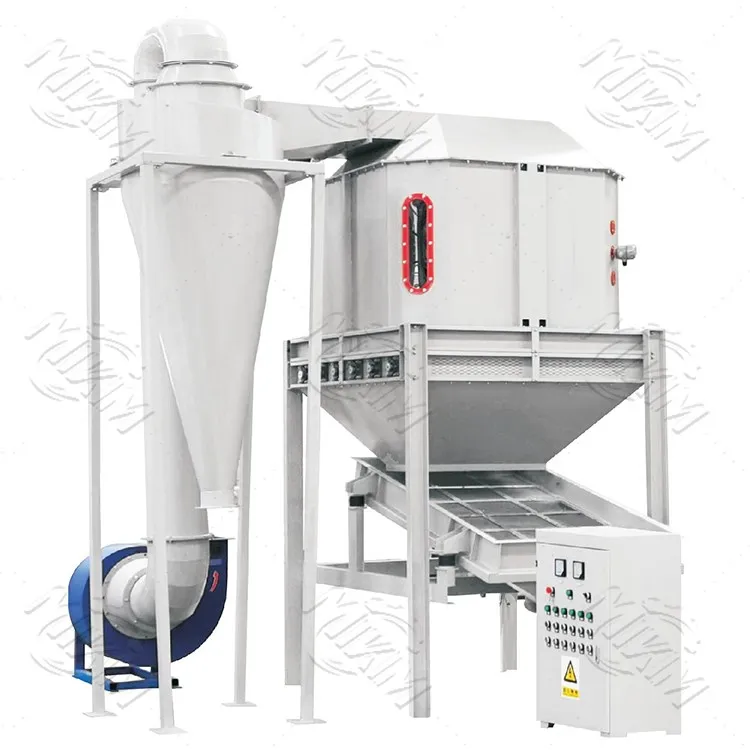
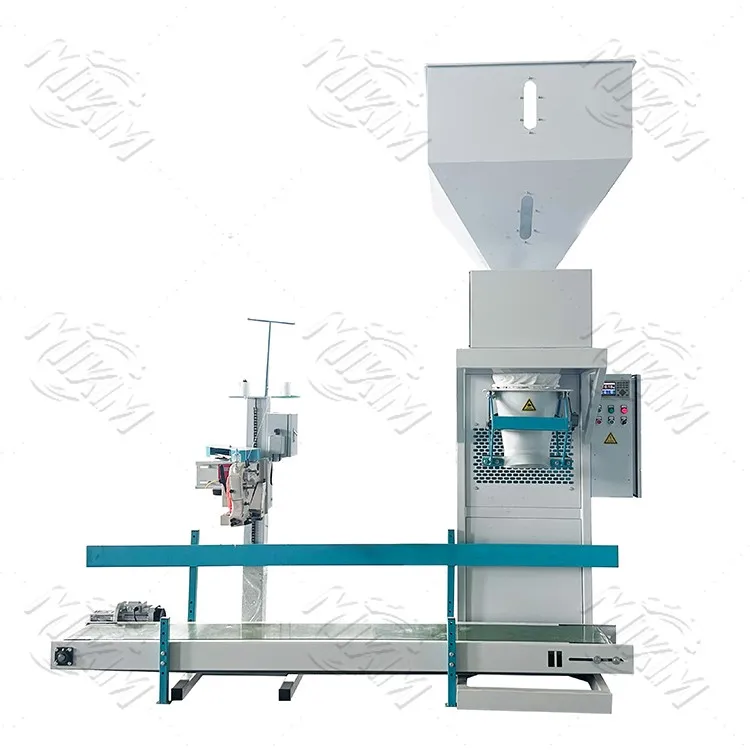
Products DescriptionAdvantages of poultry feed production line:
1. The fully automated production line significantly improves the physical quality and nutritional stability of feed pellets through precise raw material processing, conditioning control, and pelleting.
2. Intelligent quality inspection systems and predictive maintenance technology ensure product consistency while reducing quality fluctuations during the production process.
3. From a long-term operational perspective, automated equipment not only improves quality but also optimizes overall costs through energy conservation and consumption reduction.
FAQ
Q: Are you a factory?
A: Yes, we are. We have extensive production experience. Our equipment undergoes multiple quality inspections before shipment to ensure quality.
Q: Are there any discounts on equipment?
A: Because we are a factory, we can offer lower prices.
Q: How do I choose the right equipment for my needs?
A: We will match you with the most suitable production line equipment based on your specific needs.
For more information on process design, equipment layout, plant construction plan, single machine equipment quotation, turnkey quotation, etc., please feel free to contact us.
Qualifications and Honors