Home Pet Food Pellet Machine: Safe Use, Recipes and Process Settings
Leave a message
Can a Pet Food Pellet Machine Be Used at Home?
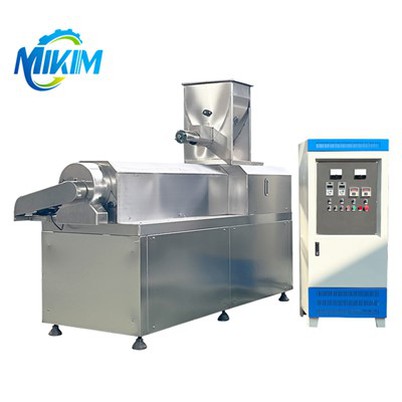
Yes, a pet food pellet machine can be used at home, and it lets an owner control exactly what goes into a dog's or cat's food. Home machines are small, electrically driven presses or extruders that turn a moistened mix into pellets. The machine only shapes the food, however; the owner remains responsible for nutrition, hygiene and safety. A formula that looks balanced on paper can still be short of vitamins, minerals or taurine, so a home recipe should always be reviewed with a veterinarian.
Ingredients You Can and Cannot Use
Safe base ingredients include fresh or cooked meat, fish, rice, corn, vegetables such as carrot and pumpkin, and eggs. Several common human foods are unsafe for pets and must never go into a home recipe: chocolate, onions, garlic, grapes and raisins, macadamia nuts, xylitol and raw bones. Salt must stay below 0.3 percent in the finished food, and fatty or spoiled meat has to be discarded rather than reworked. Wash all vegetables and cook meat and fish thoroughly, because a home machine does not sterilize in the way an industrial line does.
Sample Dog and Cat Formulas
A reference dog formula is 30 percent chicken, 25 percent corn, 20 percent rice, 10 percent carrot, 10 percent pumpkin and 5 percent egg. For puppies, raise the meat share to about 40 percent chicken; for senior dogs, use about 25 percent oatmeal in place of part of the grains to ease digestion. A reference cat formula is 35 percent fish, 15 percent chicken, 20 percent rice, 10 percent corn, 10 percent broccoli and 10 percent egg. These are starting points, not complete diets: adjust the proportions with a veterinarian and supplement according to the pet's life stage.
Dog base: 30 percent chicken, 25 percent corn, 20 percent rice, 10 percent carrot, 10 percent pumpkin, 5 percent egg.
Puppy adjustment: raise the meat share to about 40 percent chicken.
Senior dog adjustment: about 25 percent oatmeal in place of part of the grains.
Cat base: 35 percent fish, 15 percent chicken, 20 percent rice, 10 percent corn, 10 percent broccoli, 10 percent egg.
Taurine and Essential Nutrients
Cats cannot synthesize enough taurine and must take it from food, so a cat recipe should include about 0.2 g of taurine per kilogram of prepared food. Dogs are less dependent on dietary taurine but still benefit from it in some conditions. Other critical points are calcium and phosphorus balance, vitamin E to protect the fat in homemade food, and omega-3 sources for skin and coat. Because homemade food lacks the fortification of commercial kibble, a complete vitamin-mineral premix designed for home pet food is strongly recommended.
Process Settings for Home Production
Grind the dry ingredients to about 60-80 mesh so the pellets are smooth and evenly mixed. Add water to reach a moisture range of 15-17 percent before pressing; too little moisture makes the machine struggle and the pellets crack, while too much produces soft pellets that mold quickly. After pelleting, dry the pellets and store them in an airtight container in a cool place. Because home batches contain no industrial preservatives, freeze whatever will not be eaten within one to two weeks.
Hygiene and Feeding Points
Clean the machine completely after every batch, because meat residue grows bacteria that can make a pet ill. Keep raw and cooked ingredients separate, and refrigerate any unused mix. Weigh the finished food and adjust portions to the pet's weight and activity level, since overfeeding homemade food is common. Introduce new homemade food gradually over 7-10 days, mixing it with the old diet, and watch for digestive upset before switching fully.
Frequently Asked Questions
Q: Can a home pellet machine make a complete pet diet on its own?
No. The machine shapes food, but the owner must build a balanced formula and should confirm it with a veterinarian.
Q: How much salt is allowed in homemade pet food?
Salt should stay below 0.3 percent of the finished food.
Q: Do cat recipes need added taurine?
Yes. A cat recipe should include about 0.2 g of taurine per kilogram of prepared food, because cats cannot make enough of it themselves.
Q: What moisture level is right before pressing?
Aim for a moisture range of 15-17 percent; drier mix cracks and wetter mix makes soft pellets that mold quickly.
Q: How should the pellets be stored?
Dry them, keep them in an airtight container in a cool place, and freeze anything that will not be eaten within one to two weeks.
Q: Which foods must never be used?
Chocolate, onions, garlic, grapes and raisins, macadamia nuts, xylitol and raw bones are unsafe for pets.