Can feeding fish pellets prevent diseases
Leave a message
Automatic fish food making equipment produces pelleted feed that can precisely add immune-enhancing ingredients, improving fish's disease resistance. Natural feed makes it difficult to uniformly add drugs or nutritional fortifiers, while pelleted feed production allows for the even mixing of disease-fighting components such as immune polysaccharides, vitamin C, and herbal extracts. These are then absorbed orally by the fish, enhancing their immunity. For example, during peak grass carp enteritis season, using pelleted feed with added allicin can reduce the incidence of enteritis by 70%; in cold seasons, feeding fish pelleted feed with added vitamin E can improve their cold resistance and reduce frostbite mortality. Furthermore, the high-temperature treatment of pelleted feed kills bacteria and parasite eggs in the raw materials, preventing the spread of diseases caused by pathogens carried by natural feed.
Small feed pellets produced by small feed pellet machines simplify aquaculture management and facilitate disease monitoring and control. When using pelleted feed, the health status of fish can be assessed by observing their feeding behavior. Sudden reduction or refusal to eat is often an early sign of disease, allowing farmers to detect and treat it promptly. In contrast, with natural feed, it is difficult to accurately determine the actual amount of food consumed by fish, potentially delaying disease prevention and control. Meanwhile, the amount of pelleted feed is easy to control, and can be precisely calculated based on factors such as fish weight and water temperature, avoiding water quality deterioration caused by overfeeding. Stable water quality is a crucial foundation for preventing fish diseases. At one snakehead farm, after using pelleted feed, disease detection occurred an average of 3 days earlier, and the treatment success rate increased by 40%.
Pelleted feed also reduces human interference during the aquaculture process. Feeding with natural bait requires frequent entry and exit from the aquaculture area, easily disturbing the water and frightening the fish. Pelleted feed, combined with automatic feeders, allows for unattended feeding, reducing interference with the fish's growth environment and lowering stress responses. Stress responses can lead to decreased immunity in fish, increasing the risk of disease. Reduced interference results in more stable fish growth and stronger disease resistance.
Related equipment



about Us
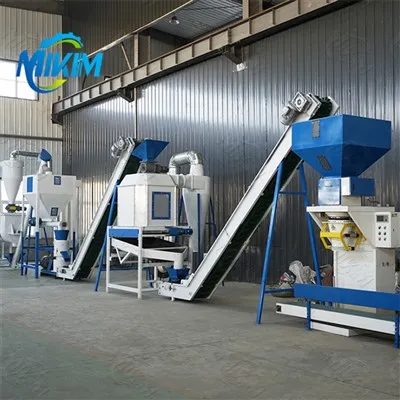
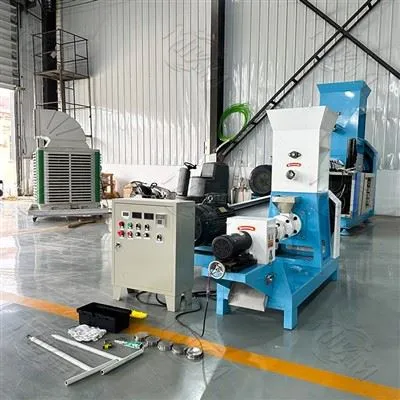
MIKIM's fish feed pellet production lines and supporting machinery offer excellent value for money. Not only are they affordable, eliminating middlemen markups and allowing small and medium-sized enterprises (SMEs) and fish farmers to purchase complete sets of equipment at reasonable costs, but they also boast exceptional efficiency. The fully automated process, from raw material crushing and precise ingredient mixing to extrusion pelleting and maturation, is completed in one continuous flow. This results in high starch gelatinization rates and uniform pellet formation, significantly improving production efficiency and feed quality, truly achieving "low cost, high output." Choosing a MIKIM fish feed pellet production line means enjoying comprehensive pre-sales and after-sales service, including 24-hour online customer support, a one-year warranty on the entire machine, professional on-site installation, commissioning, and maintenance, and a stable supply of spare parts. Customers can buy with confidence and use with peace of mind, with both excellent value and service quality!
Customer visit
Certificate of Honor

FAQ
1. What is the price of the fish feed pellet extruder?
The price ranges from approximately $3,500-$55,000
2. Do you provide maintenance services for your customers?
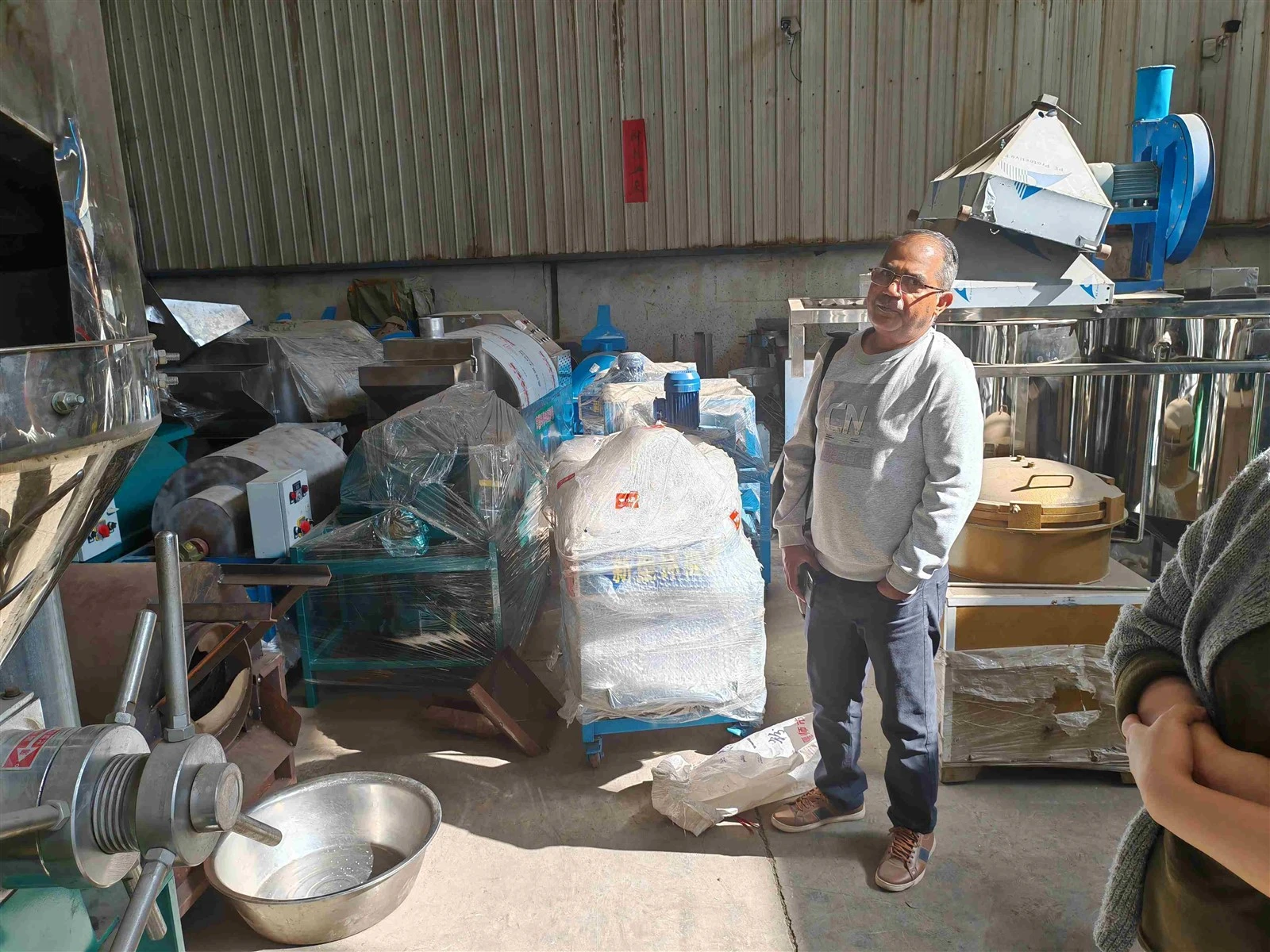
Yes, we offer comprehensive after-sales maintenance services to our customers.
If you would like to learn more about MIKIM machinery, please contact us. We offer one-stop service and welcome your inquiries!!!