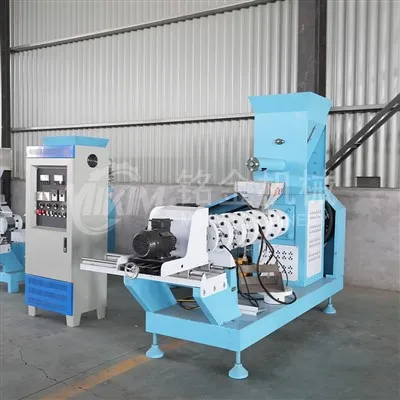
Can I Make Fish Feed Pellets at Home with a sinking fish feed extruder machine?
Leave a message
content
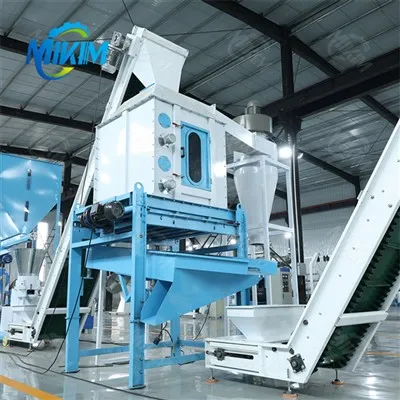
Basic Operating Steps (without a sinking fish feed making machine, sinking feed): Step 1: Raw Material Pre-treatment: Mix raw materials according to the formula, grind to 80 mesh, adjust moisture to 12%-14%, and stir for 8-10 minutes until uniform. Step 2: Equipment Debugging: Place the pellet mill on a stable surface, connect to a 220V power supply, check the gap between the ring die and the pressure roller (control at 0.1-0.3mm), and add a small amount of lubricating oil to lubricate the parts. Step 3: Start-up and Forming: Feed the raw materials at a uniform speed, start the equipment, and the pellet mill will automatically extrude and form the pellets. Adjust the pellet length using the cutter (2-3mm, suitable for fish sizes). Step 4: Post-processing: Collect the formed pellets, air dry naturally or dry with a small dryer to a moisture content of 10%-12%, preventing mold growth, and store in an airtight container.
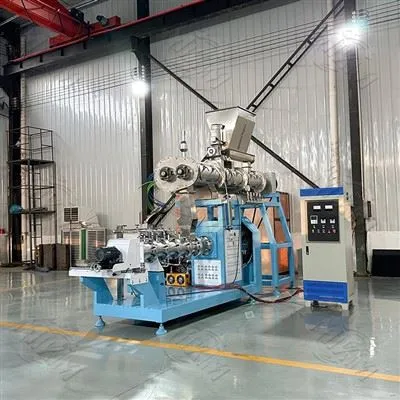
Synergistic Operating Steps with a Mini Fish Feed Machine (Floating Feed) Step 1: Extrusion Pretreatment: Feed the mixed raw materials into a small wet extruder, set the temperature to 80-90℃ and the screw speed to 150-200 rpm, and start the equipment for extrusion. The extruded material is loose and should be allowed to cool naturally to around 60℃.
Step 2: Pellet Forming: Feed the cooled extruded material into a mini floating fish feed machine, feed at a uniform speed, adjust the ring die pressure, and extrude into pellets. At this stage, the pellets are porous and have stable buoyancy.
Step 3: Post-treatment: Dry until the moisture content meets the standard, season (a small amount of fishmeal can be added to improve palatability), and then seal and store. The floating time can reach 6-8 hours when feeding, meeting the needs of mid-to-upper-level fish.
Key Considerations for Home Operation Maintain good ventilation during operation to prevent material dust accumulation; strictly control the raw material feeding speed to avoid overload and equipment failure; when using a floating feed extruder machine, feed material only after the extruder temperature has stabilized to avoid insufficient extrusion due to low temperature; clean residual material from the pellet mill ring die, pressure roller, extruder screw, and die head promptly after operation to prevent mold and corrosion of parts; regularly check equipment wiring and lubrication to ensure safe use and extend equipment life.
Related equipment



about Us
MIKIM's fish feed pellet production lines and supporting machinery offer excellent value for money. Not only are they affordable, eliminating middlemen markups and allowing small and medium-sized enterprises (SMEs) and fish farmers to purchase complete sets of equipment at reasonable costs, but they also boast exceptional efficiency. The fully automated process, from raw material crushing and precise ingredient mixing to extrusion pelleting and maturation, is completed in one continuous flow. This results in high starch gelatinization rates and uniform pellet formation, significantly improving production efficiency and feed quality, truly achieving "low cost, high output." Choosing a MIKIM fish feed pellet production line means enjoying comprehensive pre-sales and after-sales service, including 24-hour online customer support, a one-year warranty on the entire machine, professional on-site installation, commissioning, and maintenance, and a stable supply of spare parts. Customers can buy with confidence and use with peace of mind, with both excellent value and service quality!!!
Customer visit

Certificate of Honor

FAQ
1. What is the price of the dry dog food making machine?
The price ranges from approximately $1,500-$55,000
2. Do you provide maintenance services for your customers?
Yes, we offer comprehensive after-sales maintenance services to our customers.
If you would like to learn more about MIKIM machinery, please contact us. We offer one-stop service and welcome your inquiries!!!