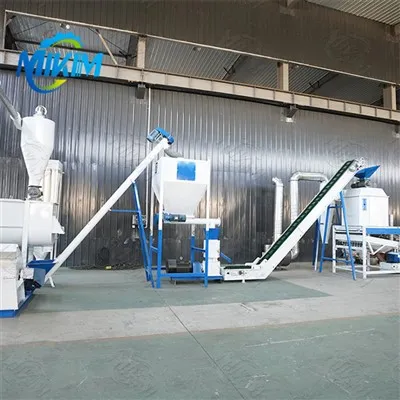
Small Fish Feed Machines: Can They Make Floating Feed?
Leave a message
Can Small Machines Produce Floating Feed?
Yes, small fish feed pellet machines can produce floating feed, but the result depends on the machine class and on how carefully the operator controls moisture and temperature. Floating pellets form when starch gelatinizes and expands, and even a small single screw machine can do this if the formula contains enough starch and the process window is respected. The three tiers below show what each class of equipment can realistically achieve, from a family farm to a commercial feed mill.
Three Machine Tiers and Their Capabilities
| Tier | Capacity | Pellet size | Floating time | Suitable scale |
|---|---|---|---|---|
| Small (single screw) | Up to 50 kg/h | 0.5-5 mm | 30 min - 8 h | Family farms, ponds up to about 50 mu (3.3 ha) |
| Mid (twin screw) | 50-500 kg/h | 0.8-8 mm | 1 - 24 h | Medium bases, small feed mills |
| Large (automatic twin screw) | 500 kg/h and above | 1-10 mm | 6 - 24 h | Feed mills, bases over about 200 mu (13.3 ha) |
The floating time ranges reflect normal production conditions; water temperature, pellet size, and fish activity change the real result.
Operating Points for Small Machines
Small machines have limited parameter adjustment precision, so the operator must control the two variables that matter most. Keep the raw material moisture at 16-18 percent, because too much water makes soft pellets that sink and too little causes jamming and rough surfaces. Keep the barrel temperature at 130-150 degrees Celsius for single screw machines so the starch gelatinizes fully, and feed the machine uniformly to avoid blockages. If the pellets sink, check moisture first, then temperature, before suspecting the machine.
Matching the Machine to Your Farm
Choose the tier by pond area and feed demand. A family aquaculture base with ponds up to about 50 mu (roughly 3.3 hectares) is served well by a small machine, accepting its lower output and moderate buoyancy stability. A base with 50-500 kg/h demand, the mainstream range for commercial aquaculture, should use a mid-range twin screw machine for its flexible formulas and stable buoyancy. A large feed mill supplying many farms, with ponds exceeding about 200 mu (roughly 13.3 hectares) or with commercial feed sales, needs the large automatic line for standardized production and consistent batch quality.
Limitations and When to Upgrade
Small machines have real limits: low capacity, moderate buoyancy stability, no large pellet sizes, and faster wear on vulnerable parts. Upgrade when the feeding demand exceeds the machine's daily output, when buoyancy consistency starts to cost fish, or when the farm grows beyond the machine's intended pond area. Moving from a small single screw machine to a mid-range twin screw line is usually the first upgrade, because it multiplies output and improves floating stability with the same operator skills.
FAQ
Can a machine of only 50 kg/h make floating pellets?
Yes. Small single screw machines produce 0.5-5 mm floating pellets with a floating time of 30 minutes to 8 hours when moisture and temperature are controlled correctly.
What moisture level should the raw material have?
Keep raw material moisture at 16-18 percent for small machines; too much moisture makes pellets sink and too little causes jamming.
What temperature does a small extruder need?
Small single screw machines typically run at a barrel temperature of 130-150 degrees Celsius to gelatinize the starch fully.
Which machine class floats pellets for the longest time?
Large automatic twin screw lines produce 1-10 mm pellets with a stable floating time of 6-24 hours, the longest and most consistent of the three tiers.
When should I upgrade from a small machine?
Upgrade when daily feed demand exceeds the machine output, when buoyancy consistency affects fish growth, or when the farm grows beyond about 50 mu (3.3 hectares).