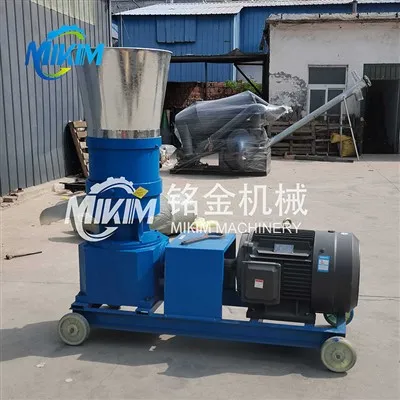
How can we fix it when the animal meal machine stops rotating?
Leave a message
If the motor of a food making machine is running normally, but power cannot be transmitted to the screw, causing the screw to stop rotating, the problem usually lies in the transmission system-such as a slipping or broken belt, worn gearbox gears, or a loose coupling. The transmission system is the "bridge" for power transmission; if its components are damaged, it will directly cause the equipment to "lose power" and fail to produce normally.
Fault Causes and Solutions
1.Drive belt slippage, breakage, or misalignment
Causes: Belt aging from long-term use (surface cracks, decreased elasticity), or insufficient belt tension (reduced friction between the belt and pulley), causing the belt to slip when the motor rotates and fail to drive the screw. Alternatively, pulley misalignment (axial misalignment exceeding 2mm) causes uneven belt load during operation, leading to breakage after prolonged wear. The wrong belt type (such as using a standard V-belt instead of an industrial drive belt) results in insufficient load-bearing capacity and is prone to breakage.
Solution: If the belt slips, loosen the motor mounting bolts, move the motor backward (increase belt tension), and press the center of the belt with your fingers to ensure 10-15mm of deflection. Then tighten the motor bolts. If the belt is broken or aged, replace it with an industrial drive belt of the same type (such as a B-type belt, select a length based on the diameters of the motor and screw pulleys). Use a ruler to check pulley alignment. If misaligned, adjust the screw pulley position (loosen the mounting bolts and fine-tune it to be coaxial with the motor pulley), ensuring axial misalignment is ≤1mm.
2.Gearbox Gears Worn or Seized
Cause: Insufficient gearbox lubricant (oil level below 1/3 of the mark) or deterioration of the lubricant (metal debris present), leading to dry friction, tooth wear (tooth thickness reduced by more than 2mm), or broken teeth, preventing power transmission. Metal debris (such as bearing ball fragments) may have entered the gearbox and become lodged in the gear meshing clearance, causing the gears to seize and prevent rotation.
Solution: After shutting down the machine, check the gearbox oil level and quality. If the oil level is insufficient, add No. 46 anti-wear gear oil to 1/2-2/3 of the mark. If the oil is deteriorating, drain the old oil completely, clean the gearbox interior with diesel fuel to remove impurities, and then add new oil. Remove the gearbox cover and inspect the gears. If tooth wear exceeds 20% or teeth are broken, replace the gears with alloy steel gears of the same specification (ensuring that the module and number of teeth match). Clean the gearbox of metal debris and replace any damaged bearings (such as tapered roller bearings model 32215).
3.Loose or damaged coupling
Cause: The motor shaft and screw shaft are connected by a coupling. If the coupling bolts are loose (due to insufficient torque) or the elastic gasket (such as a rubber gasket) is aged and broken, the coupling can slip, preventing the motor power from being transmitted to the screw. Alternatively, if the coupling is installed with excessive coaxiality (radial deviation exceeding 0.1mm, angular deviation exceeding 0.5°), uneven force can be applied during operation, causing coupling damage and interrupted power transmission.
Solution: Loosen the coupling bolts and replace the worn elastic gasket (use oil-resistant rubber material and ensure the dimensions match the coupling). Use a dial indicator to calibrate the coupling coaxiality-radial deviation ≤ 0.1mm, angular deviation ≤ 0.5°. If the deviation is excessive, adjust the motor position (fine-tune using the motor base shims). Tighten the coupling bolts to the torque specified in the manual (e.g., 30-35N·m for M10 bolts). After tightening, manually rotate the motor shaft to ensure smooth and synchronized screw rotation.


Why Choose Us
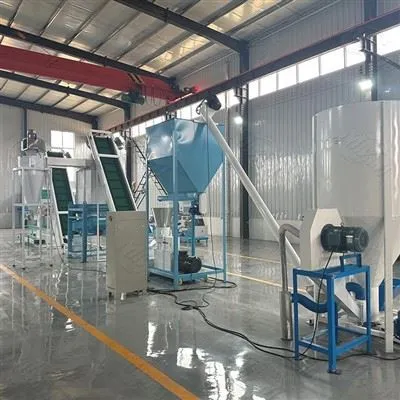
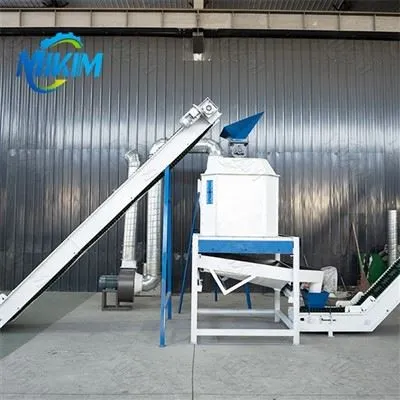
MIKIM boasts extensive experience in poultry feed pellet production lines, significantly reducing the incidence of poultry diseases. Its equipment is not only widely used across various industries domestically but also exported to Southeast Asia, Europe, Africa, and South America, earning a high reputation internationally. This global presence not only demonstrates the adaptability and competitiveness of its products, but also demonstrates the company's experience in adapting to diverse market standards and logistics conditions, enabling it to provide a stable supply chain for its overseas customers. Whether serving large domestic farms or cross-border feed companies, MIKIM can leverage its global service network to ensure a consistent, high-quality experience.
For more information on process flow design, equipment layout, factory construction plans, individual equipment pricing, or turnkey project proposals, please feel free to contact us!!!

FAQ
1. What is the price of the meal pellet machine?
The price ranges from approximately $3,000-$75,000
2. Do you provide maintenance services for your customers?
Yes, we offer comprehensive after-sales maintenance services to our customers.