


How do a diesel fish feed pellet machine and an electric fish food machine compare?
Leave a message
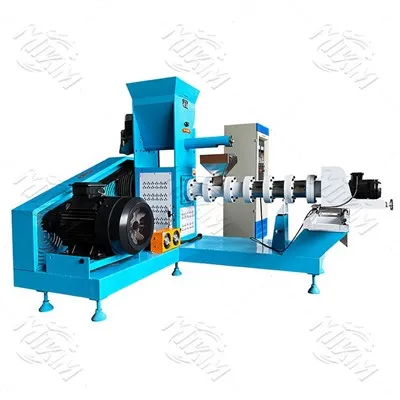
The core difference lies in the processing principle and feed form. Diesel-powered fish floating feed pelletizers utilize an "extrusion pelleting" principle, using pressure rollers and a ring die to compress mixed raw materials into dense pellets. These pellets have high density, a compact structure, and strong stability in water, typically floating for 30-45 minutes, making them suitable for mid-to-lower-level feeding fish such as tilapia and grass carp. The processing temperature is relatively mild, controlled at 85-95℃ through frictional heat generation from the raw materials, thus better preserving nutrients such as protein and vitamins. In contrast, electric fish pellet machines use a "high-temperature extrusion" principle. A motor drives a screw to rotate at high speed, creating a high-temperature, high-pressure environment (120-150℃) within the machine barrel through shearing and extrusion. The extruded raw materials form porous, loose pellets with excellent buoyancy but prone to disintegration in water, making them more suitable for upper-level predatory fish such as bass and snakehead.
The differences in nutrient retention and feed conversion ratio are significant. While the high-temperature environment of electric fish feed manufacturing machines can improve starch gelatinization and palatability, it also leads to a significant loss of heat-sensitive nutrients. Actual measurements show that the crude protein retention rate is approximately 85%, and the vitamin E retention rate is only 75%. In contrast, the medium-temperature processing mode of diesel-powered floating fish feed machines in China achieves a crude protein retention rate of over 92% and a vitamin E retention rate exceeding 88%. This difference in nutrient retention directly impacts the feed conversion ratio (FCR). Diesel pellet mills typically produce FCRs of 1.2-1.5, while electric extruders often produce FCRs of 1.5-1.8. This means that for the same weight of fish, electric extruders consume more feed, resulting in higher farming costs.
There are also differences in feed formulation suitability. Diesel pellet mills are better suited for high-protein, low-starch feed formulations, while electric extruders rely on the extrusion properties of starch and require a starch content of at least 25% in the raw materials; otherwise, qualified extruded pellets cannot be formed, resulting in relatively lower formulation flexibility.
Related equipment


about Us
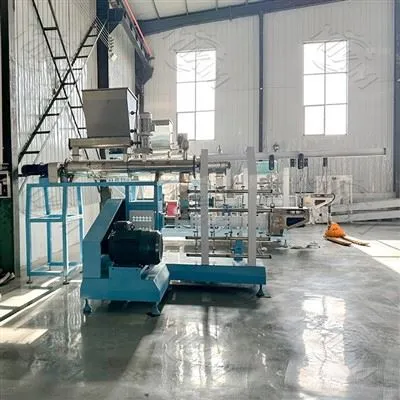
MIKIM's fish feed pellet production lines and supporting machinery offer excellent value for money. Not only are they affordable, eliminating middlemen markups and allowing small and medium-sized enterprises (SMEs) and fish farmers to purchase complete sets of equipment at reasonable costs, but they also boast exceptional efficiency. The fully automated process, from raw material crushing and precise ingredient mixing to extrusion pelleting and maturation, is completed in one continuous flow. This results in high starch gelatinization rates and uniform pellet formation, significantly improving production efficiency and feed quality, truly achieving "low cost, high output." Choosing a MIKIM fish feed pellet production line means enjoying comprehensive pre-sales and after-sales service, including 24-hour online customer support, a one-year warranty on the entire machine, professional on-site installation, commissioning, and maintenance, and a stable supply of spare parts. Customers can buy with confidence and use with peace of mind, with both excellent value and service quality!
Customer visit

Certificate of Honor

FAQ
1. What is the price of the 1 tons per hour floating fish feed machine?
The price ranges from approximately $10,500-$55,000
2. Do you provide maintenance services for your customers?
Yes, we offer comprehensive after-sales maintenance services to our customers.
If you would like to learn more about MIKIM machinery, please contact us. We offer one-stop service and welcome your inquiries!!!


