


How to adapt poultry feed pellet production line equipment to the digestive physiological characteristics of different animals?
Leave a message
In farm farming, the digestive physiology of poultry (chickens and ducks), pigs, cattle, and sheep varies greatly. Chickens have no teeth and need fine, easily digestible particles, cattle have a rumen and need high-fiber, hard particles to promote rumination, and pigs have short intestines and need nutrient-dense, soft particles. If the feed production line equipment cannot match these characteristics, even if the feed formula is good, it will lead to low digestibility and absorption rate of animals (e.g., less than 60% digestibility of cattle feed) and slow growth.
Production line process
Raw material pretreatment (cleaning according to animal classification) → customized grinding (fine grinding of chicken and duck feed, coarse grinding of cattle feed) → formula-based ingredient formulation (adjusting nutrient ratio according to digestive needs) → targeted conditioning (high-temperature short conditioning of chicken and duck feed, low-temperature long conditioning of cattle feed) → dedicated pelleting (changing ring die to adjust hardness/particle size) → graded cooling (controlling cooling rate according to particle characteristics) → finished product packaging, the whole process is tailored to the digestive needs of animals.
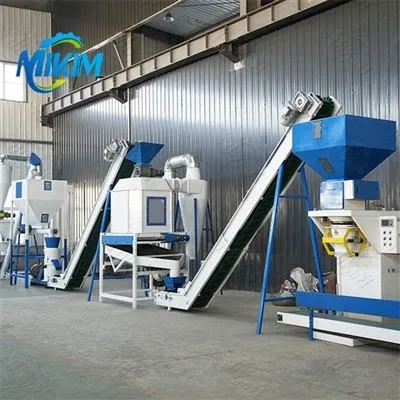


Core Production Advantages
1. Customized grinding to suit chewing ability: For toothless chickens and ducks, an ultra-fine grinder is used to grind raw materials to a fineness of 100 mesh or higher (particle diameter ≤0.15mm), reducing the digestive burden on the intestines and increasing the digestibility and absorption rate to 85%. For the rumination needs of cattle and sheep, a coarse grinder is used to retain 3-5mm fiber particles, stimulating rumen peristalsis, increasing rumination efficiency by 20%, and achieving a feed digestibility of over 75%.
2. Targeted conditioning to suit intestinal function: Chickens and ducks have short intestines (approximately 6 times their body length), so the conditioning process uses "high temperature, short time" (90℃/30 seconds) to quickly gelatinize starch (90% gelatinization rate), shortening digestion time. Pigs have medium-sized intestines (15 times their body length), so "medium temperature, medium time" (80℃/60 seconds) is used to balance gelatinization and nutrient retention. Cattle have long intestines (20 times their body length), so "low temperature, long time" (70℃/120 seconds) is used to slowly release nutrients, adapting to rumen microbial fermentation and reducing the risk of bloating.
3. Specialized pelleting to suit feed intake and digestion: Chicken and duck feed uses 1-2mm small-aperture ring dies, with pellet hardness controlled at 1.5-2kg, making it easy to peck and break down; pig feed uses 3-4mm medium-aperture ring dies, with a hardness of 2.5-3kg, balancing feed intake efficiency and intestinal digestion; cattle and sheep feed use 5-8mm large-aperture ring dies, with a hardness of 4-5kg, extending rumen retention time and ensuring full nutrient absorption.
Why Choose Us
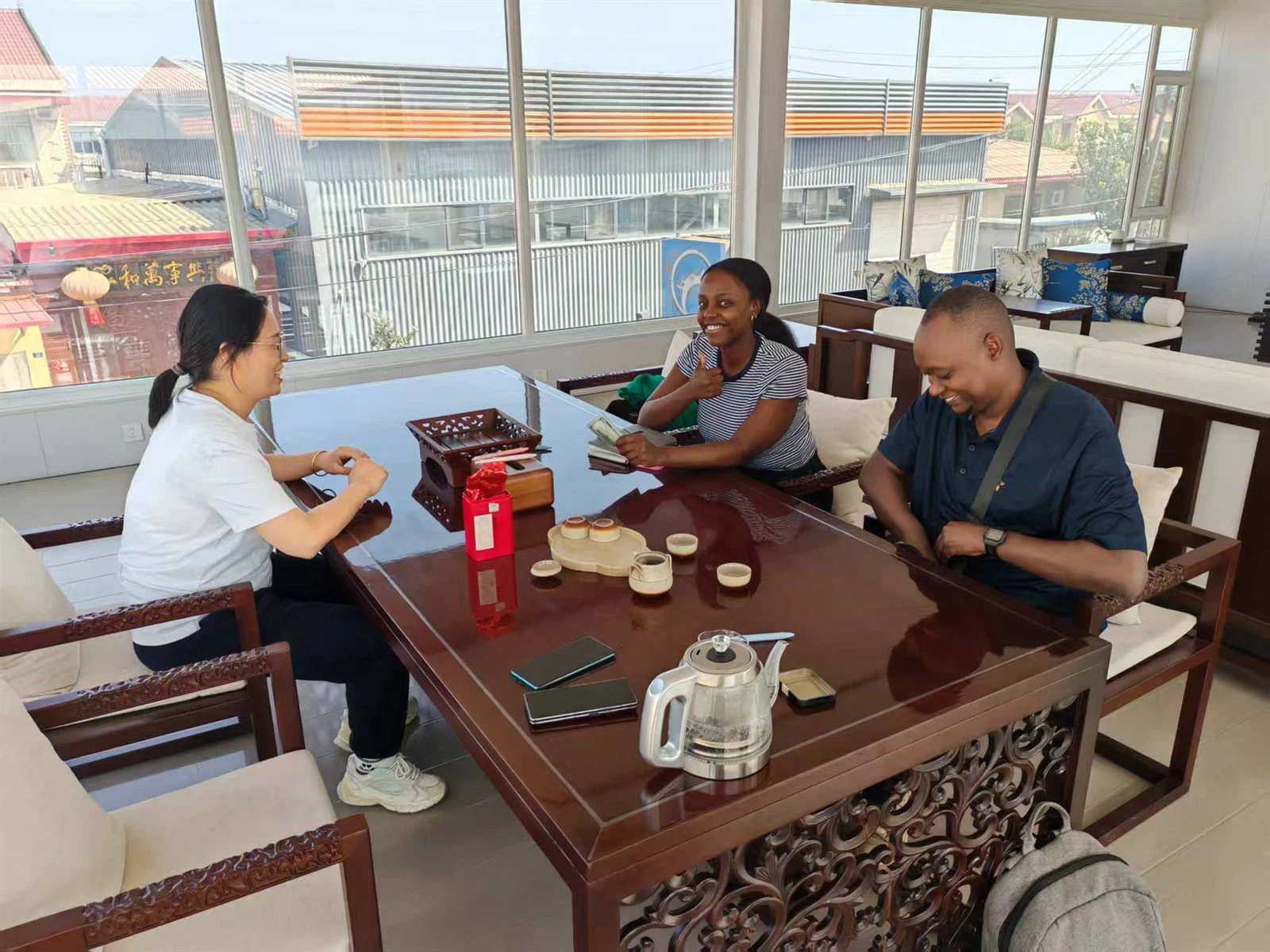
MIKIM boasts extensive experience in poultry feed pellet production lines, significantly reducing the incidence of poultry diseases. Its equipment is not only widely used across various industries domestically but also exported to Southeast Asia, Europe, Africa, and South America, earning a high reputation internationally. This global presence not only demonstrates the adaptability and competitiveness of its products, but also demonstrates the company's experience in adapting to diverse market standards and logistics conditions, enabling it to provide a stable supply chain for its overseas customers. Whether serving large domestic farms or cross-border feed companies, MIKIM can leverage its global service network to ensure a consistent, high-quality experience.
For more information on process flow design, equipment layout, factory construction plans, individual equipment pricing, or turnkey project proposals, please feel free to contact us!!!
FAQ
1. What is the price of the Automated Cattle Feed Production Line?
The price ranges from approximately $5,000-$23,000
2. Do you provide maintenance services for your customers?
Yes, we offer comprehensive after-sales maintenance services to our customers.


