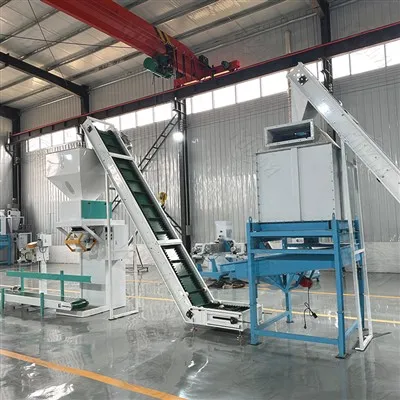
How to choose the best floating fish feed pellet extruder machine?
Leave a message
content
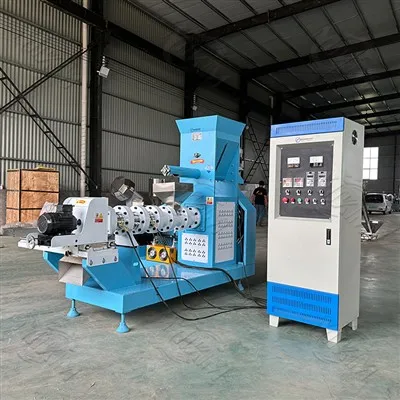
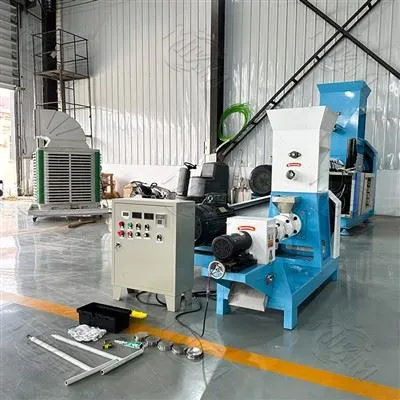
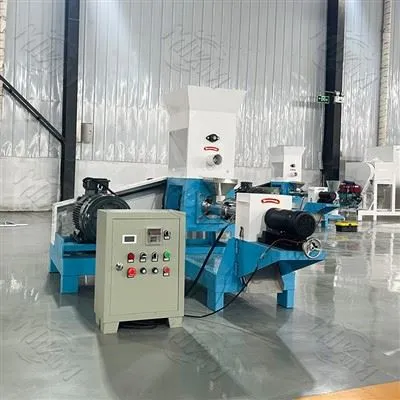
The selection of the best small fish feed maker machine should follow the principles of "matching needs, prioritizing quality, and reasonable cost-effectiveness." Core standards include capacity matching, functional suitability, and equipment configuration. Capacity matching is fundamental and must be determined based on the scale of aquaculture or feed production to avoid resource waste from excessive capacity or insufficient capacity to meet demand. Functional suitability should be combined with the type of feed. For producing floating, semi-sinking, or high-quality feed, a twin-screw fish feed extruder machine is preferred; for producing low-end sinking feed, a single-screw extruder can be chosen; for producing fine pellet feed for juvenile fish, equipment with precisely adjustable die orifice diameter and controllable extrusion parameters is required. Regarding equipment configuration, models equipped with a precise temperature control system (temperature control accuracy ±1℃), pressure monitoring instruments, a variable frequency feeding system, and a rapid cooling system are preferred. These configurations ensure stable extrusion and extrusion processes and improve feed quality. Attention should also be paid to the equipment materials; the extrusion chamber and screw should be made of wear-resistant materials (such as 38CrMoAl nitrided steel) to withstand the wear of high-salt and high-protein raw materials.
Scientific maintenance techniques can extend the service life of a floating fish feed pellet extruder machine and ensure stable equipment operation. For routine maintenance, after each production run, the power should be disconnected and residual material in the extrusion chamber, screw, and die head cleaned to prevent material clumping and mold growth, which could affect subsequent production. Regularly check the wear of the screw and die head; replace them promptly if the screw thread wear exceeds 2mm or the die head bore wear exceeds 0.2mm. Regularly add lubricating oil to the transmission system to ensure smooth operation. For periodic maintenance, every 500 hours of operation, a comprehensive inspection of the heating system and electrical wiring is required, and the temperature controller and pressure gauges should be calibrated to ensure accurate parameters. Every 1000 hours of operation, disassemble the extrusion system, inspect the wear and tightness of internal components, and replace aging seals to prevent material leakage or pressure instability.
Furthermore, special attention should be paid to the condition of extrusion-related components during maintenance, as the extrusion function is the core value-added feature of the fish feed extruder machine. The extrusion section of the screw is a key area for wear and requires close inspection. Damaged heating elements in the heating system can lead to uneven temperatures, affecting the extrusion effect, and require timely replacement. Clogged or worn die holes in the die head can affect pellet formation and extrusion degree, requiring regular cleaning and calibration. Through scientific selection and standardized maintenance, the service life of fish feed extruders can be extended to 5-8 years, while ensuring stable quality of aquatic feed pellets and improving aquaculture efficiency.
Related equipment

about Us
MIKIM's fish feed pellet production lines and supporting machinery offer excellent value for money. Not only are they affordable, eliminating middlemen markups and allowing small and medium-sized enterprises (SMEs) and fish farmers to purchase complete sets of equipment at reasonable costs, but they also boast exceptional efficiency. The fully automated process, from raw material crushing and precise ingredient mixing to extrusion pelleting and maturation, is completed in one continuous flow. This results in high starch gelatinization rates and uniform pellet formation, significantly improving production efficiency and feed quality, truly achieving "low cost, high output." Choosing a MIKIM fish feed pellet production line means enjoying comprehensive pre-sales and after-sales service, including 24-hour online customer support, a one-year warranty on the entire machine, professional on-site installation, commissioning, and maintenance, and a stable supply of spare parts. Customers can buy with confidence and use with peace of mind, with both excellent value and service quality!!!
Customer visit

Certificate of Honor

FAQ
1. What is the price of the floating fish feed machine?
The price ranges from approximately $1,500-$55,000
2. Do you provide maintenance services for your customers?
Yes, we offer comprehensive after-sales maintenance services to our customers.
If you would like to learn more about MIKIM machinery, please contact us. We offer one-stop service and welcome your inquiries!!!