


How to determine the quality of pellets produced by fish feed pellet extruder?
Leave a message
1. The evaluation of the growth performance of fish feed pellet making machines is a core indicator of breeding effectiveness, including daily weight gain, survival rate, and growth uniformity. Taking fattening pigs as an example, the evaluation method is as follows: 100 healthy piglets of similar weight (approximately 20 kg) are randomly divided into two groups, one fed with pellets to be evaluated and the other with standard control pellets, and fed for 30 days. The feed intake of each pig is recorded daily, and they are weighed weekly. Daily weight gain is calculated as follows: (Total weight at the end of the period - Total weight at the beginning of the period) / (Number of days fed × Number of pigs); Survival rate = Number of surviving pigs / Total number of pigs × 100%; Growth uniformity = (Average weight ± Standard deviation) / Average weight × 100%. High-quality pellets should have a daily weight gain at least 5% higher than standard pellets, a survival rate ≥ 98%, and growth uniformity ≥ 90%. Pellet produced by a certain fattening pig feed mill achieved a daily weight gain of 850 g/day in trials, 12% higher than standard pellets, and quickly gained market share.
2. The feed conversion ratio (FCR) of fish food making machines reflects the feed utilization efficiency of pellets and is a key indicator of farming costs. FCR = Total feed intake / Total weight gain; a lower value indicates higher feed utilization efficiency. FCR standards differ for different animals: ≤2.8 for fattening pigs, ≤1.8 for broilers, ≤1.5 for bass, and ≤2.0 for grass carp. During the evaluation, it is crucial to ensure that the farming environment (temperature, humidity, density) of both groups of experimental animals is consistent to avoid environmental factors affecting the results. A broiler feed mill's pellets achieved a FCR of 1.6 in an experiment, lower than the standard of 1.8, meaning that 0.2 kg of feed can be saved for every 1 kg of weight gain in broilers, significantly reducing costs for farmers.
3. Health assessment focuses on the physiological indicators of farmed animals, including intestinal health and immune function. This can be achieved by dissecting experimental animals to observe the length and density of intestinal villi (longer and denser villi indicate stronger digestive and absorptive capacity); and by detecting the content of immunoglobulins (such as IgG) in the blood to assess immune function. High-quality pellets should increase intestinal villus length by more than 20%, immunoglobulin content by more than 10%, and reduce disease incidence. An experiment with a certain piglet feed showed that the intestinal villus length of piglets was 25% higher than the control group, and the incidence of diarrhea decreased from 15% to 3%, demonstrating the superior characteristics of the pellets.
Evaluating the breeding effect also requires combining actual feedback from farmers, including pellet palatability (feed intake) and fecal condition (whether it is formed). Even if the indicators meet the standards, poorly palatable pellets will affect animal growth due to insufficient feed intake; unformed feces indicate poor digestion and absorption of the pellets. Only by comprehensively considering laboratory indicators and breeding practice results can the quality of pellets produced by the fish feed pellet making machine be fully and accurately evaluated.
Related equipment


about Us
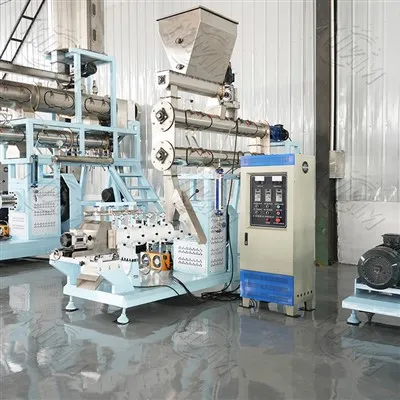
MIKIM's fish feed pellet production lines and supporting machinery offer excellent value for money. Not only are they affordable, eliminating middlemen markups and allowing small and medium-sized enterprises (SMEs) and fish farmers to purchase complete sets of equipment at reasonable costs, but they also boast exceptional efficiency. The fully automated process, from raw material crushing and precise ingredient mixing to extrusion pelleting and maturation, is completed in one continuous flow. This results in high starch gelatinization rates and uniform pellet formation, significantly improving production efficiency and feed quality, truly achieving "low cost, high output." Choosing a MIKIM fish feed pellet production line means enjoying comprehensive pre-sales and after-sales service, including 24-hour online customer support, a one-year warranty on the entire machine, professional on-site installation, commissioning, and maintenance, and a stable supply of spare parts. Customers can buy with confidence and use with peace of mind, with both excellent value and service quality!
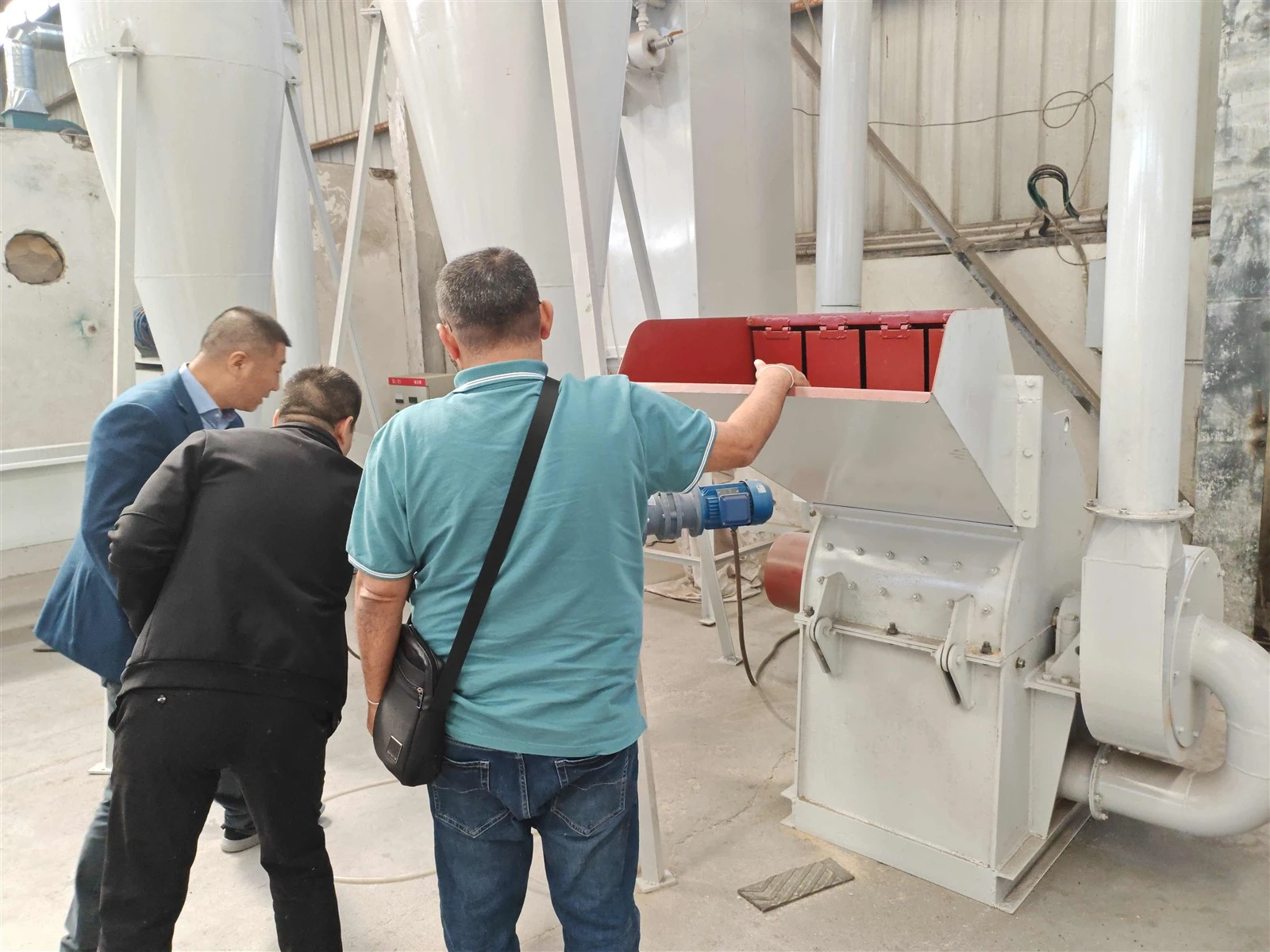
Customer visit
Certificate of Honor

FAQ
1. What is the price of the floating fish feed extruder machine?
The price ranges from approximately $1,500-$55,000
2. Do you provide maintenance services for your customers?
Yes, we offer comprehensive after-sales maintenance services to our customers.
If you would like to learn more about MIKIM machinery, please contact us. We offer one-stop service and welcome your inquiries!!!


