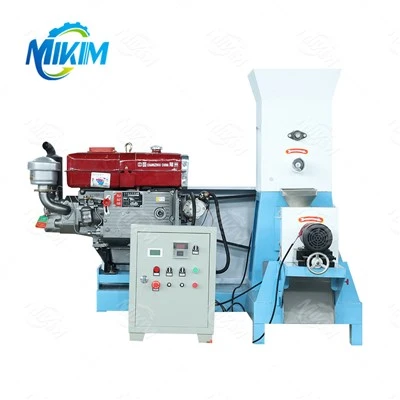
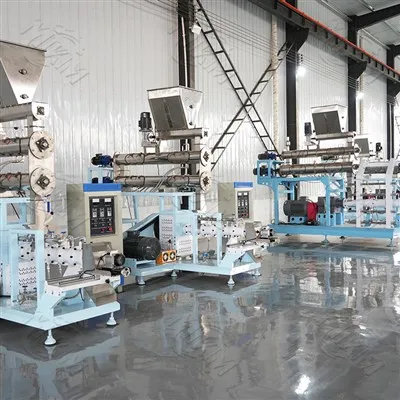
How to assemble a small floating fish feed pellet production line?
Leave a message
Site planning needs to balance "compact practicality" and "operational convenience." A home-use floating fish feed extruder line doesn't require a large workshop; a balcony, garage, or unused room is sufficient, requiring only 5-8 square meters. The key is proper zoning: a raw material storage area (1-2 square meters, dry and well-ventilated to prevent mold growth, suitable for sealed storage shelves), a pre-processing area (2 square meters, for the grinder and mixer, with non-slip mats), a pelletizing area (2 square meters, for the pellet mill, with space for heat dissipation), and a cooling and packaging area (1 square meter, close to the pelletizing area for easy pellet transfer). The site also needs access to a 220V household power supply (≥5kW) and basic drainage facilities to prevent water accumulation during equipment cleaning.
The budget should be kept within 10,000-30,000 RMB to achieve a "high-performance, cost-effective configuration." For home-based fish farming production lines, high capacity is unnecessary; an hourly capacity of 50-100 kg is sufficient. The core equipment budget allocation is as follows: a small hammer mill (1500-2000 yuan, 80-100 mesh particle size, suitable for corn, soybean meal, etc.), a double-helix conical mixer (3000-5000 yuan, 50-100L capacity, ensuring uniform nutrition), a flat die pellet mill (5000-10000 yuan, 2-4mm aperture, suitable for common fish such as grass carp and koi), and a simple cooler (1000-2000 yuan, natural cooling combined with a fan to reduce pellet temperature). The remaining budget can be used to purchase auxiliary tools such as electronic scales and sealing bags.
Matching raw materials with equipment is crucial in the initial preparation. Home-based fish feed should be high in protein and easily digestible, with raw materials mainly consisting of corn, soybean meal, fishmeal, and wheat bran, with some added algae powder to supplement trace elements. During preparation, it's essential to ensure the grinder can handle fine feeds like fishmeal, the mixer has an anti-stick function (to prevent algae powder from sticking together), and the pellet mill's die holes can be adjusted according to fish size (2mm for juveniles, 3-4mm for adult fish). Simultaneously, raw material screening tools should be purchased in advance to remove impurities and stones to prevent equipment damage. Following this plan, Mr. Wang completed the initial preparations for only 22,000 yuan, with the equipment and raw materials perfectly matched.
Furthermore, simplified registration procedures are required. Although a production license is not needed for home use, it's crucial to ensure the safety of the raw material sources, retain purchase receipts, and avoid using expired or spoiled materials. With these initial preparations completed, subsequent assembly will be much more efficient, laying the foundation for the high-efficiency production of high-quality fish feed.
Related equipment


about Us
MIKIM's fish feed pellet production lines and supporting machinery offer excellent value for money. Not only are they affordable, eliminating middlemen markups and allowing small and medium-sized enterprises (SMEs) and fish farmers to purchase complete sets of equipment at reasonable costs, but they also boast exceptional efficiency. The fully automated process, from raw material crushing and precise ingredient mixing to extrusion pelleting and maturation, is completed in one continuous flow. This results in high starch gelatinization rates and uniform pellet formation, significantly improving production efficiency and feed quality, truly achieving "low cost, high output." Choosing a MIKIM fish feed pellet production line means enjoying comprehensive pre-sales and after-sales service, including 24-hour online customer support, a one-year warranty on the entire machine, professional on-site installation, commissioning, and maintenance, and a stable supply of spare parts. Customers can buy with confidence and use with peace of mind, with both excellent value and service quality!
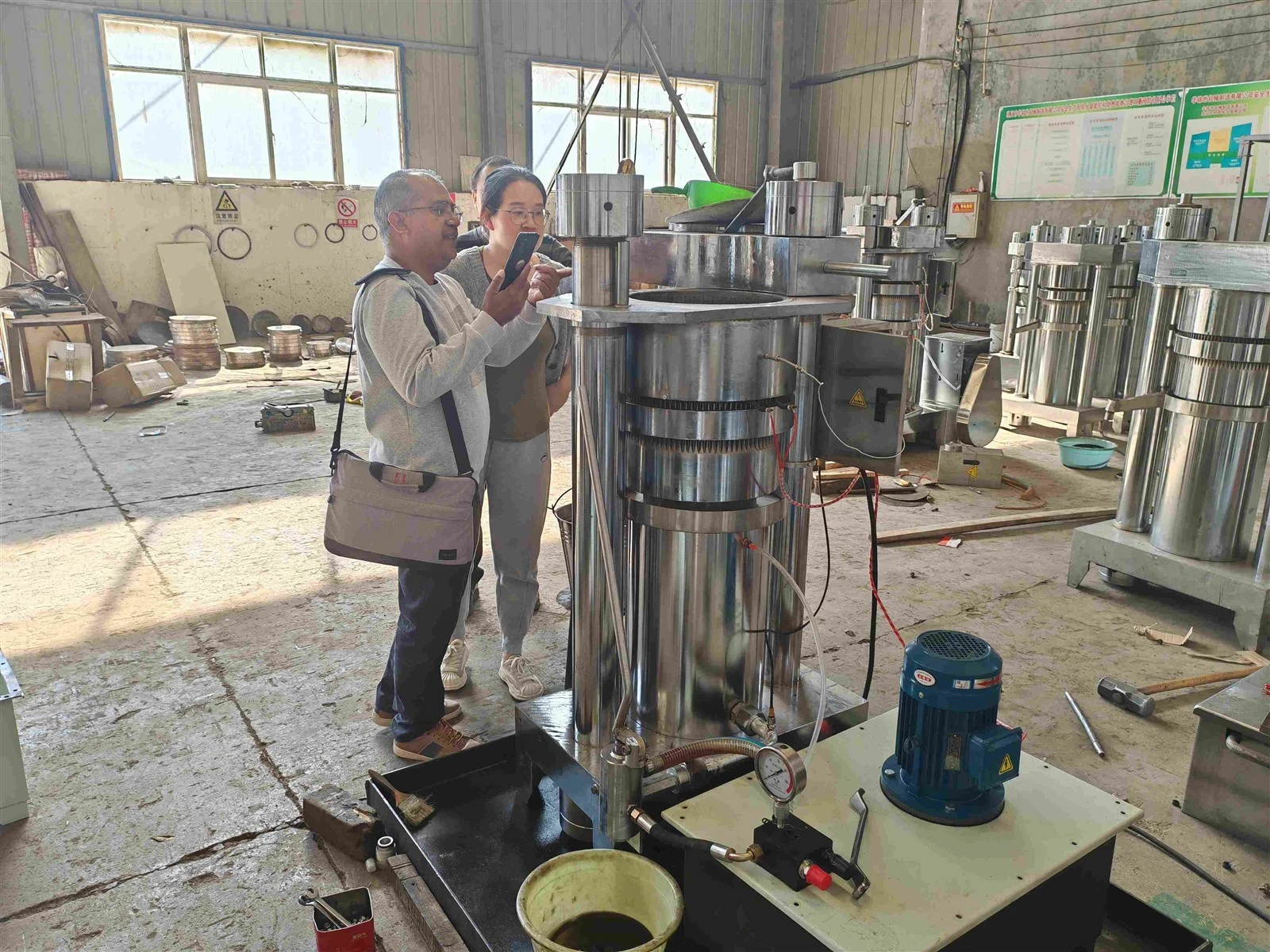
Customer visit
Certificate of Honor

FAQ
1. What is the price of the floating fish feed production line?
The price ranges from approximately $1,500-$55,000
2. Do you provide maintenance services for your customers?
Yes, we offer comprehensive after-sales maintenance services to our customers.
If you would like to learn more about MIKIM machinery, please contact us. We offer one-stop service and welcome your inquiries!!!