How to establish a poultry feed mill
Leave a message
Planning Stage for Feed Pellet Plant
1. Determine Product Types:
Plan the product range according to the different growth stages of poultry (chicks, growing chickens, laying hens/broilers) to ensure the feed meets the specific nutritional needs at each stage. For example, chick feed requires high protein (20–22%) and rich vitamins, while laying hen feed requires high calcium (3.5–4%). This ensures the products are suitable for local farming practices.
2. Calculate Total Investment Costs:
The total investment for a feed mill should be based on its production capacity. Differences in plant layout and area-such as space allocated for raw material storage, production workshops, and finished product storage-directly affect costs related to land acquisition, building construction, and facility setup.
Animal Feed Production Equipment Selection
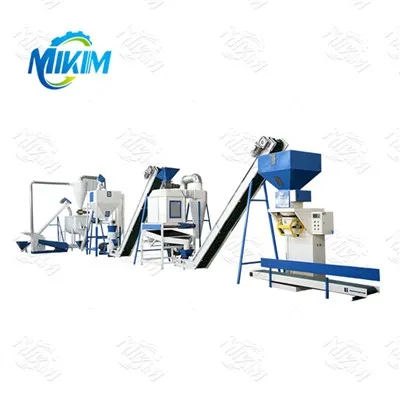
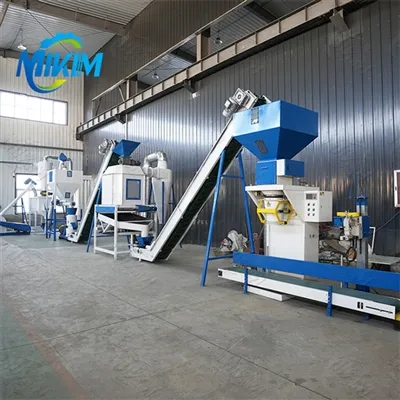
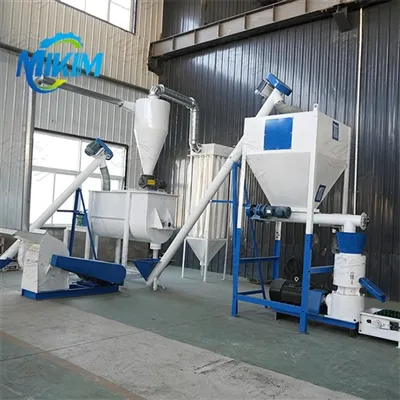
The feed production line first cleans the raw materials, removing impurities and metal, and then grinds them to the appropriate particle size. Next, the ingredients are mixed according to the formula to ensure uniform nutrition. After conditioning-adjusting temperature and moisture with steam-the feed is granulated and shaped. The pellets are then cooled and dried to a safe moisture level, followed by screening and grading to remove defective particles. Finally, the finished product is weighed, packaged, and stored in the warehouse. The entire process emphasizes efficiency and feed quality.

| Capacity | 15-20t/h |
| Range of application | large commerical feed factory,could make chicken,sheep,cow,shrimp feed |
| Workers requirments | 4-5 people |
| Shipment requirments | 6*40ft container |
| Product advantages | Fully automatic intelligent batching, computer control system with stable output, efficient and continuous operation, labor saving, direct packaging, particle size can be selected from 1-12mm. |
| size for whole line | According to land size and layout |

Hammer Mill
Feed grinder is a special equipment used to process crop straw, grain, soybean meal and other raw materials into powdered feed. It belongs to the category of crushing machinery and is mainly used in feed processing, biomass energy and straw comprehensive utilization.
Screw Conveyor
Used for conveying grain and powdery raw materials, sealed structure, reliable, clean, hygienic, no residue.


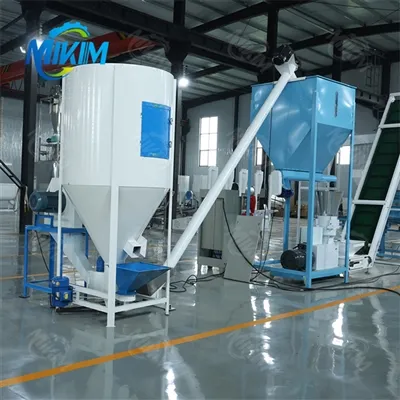
Stainless Steel Mixer
Stainless steel mixer is suitable for mixing powdered raw materials, with high efficiency and fast mixing speed, suitable for small-scale feed.
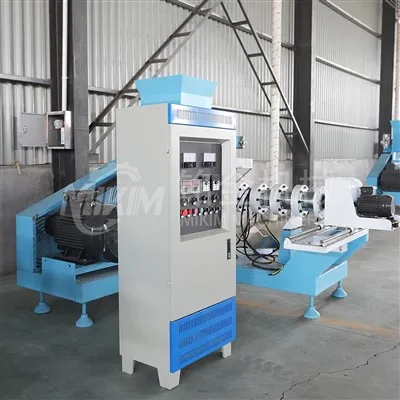
Feed Pellet Machine
Feed pellet machines are widely used in large, medium and small livestock and poultry farming. They can produce feed pellets of various specifications with simple structure, wide adaptability, small footprint and low noise.


cooler
Feed cooler is a cooling equipment that adopts the countercurrent cooling principle. The particles are cooled fully and evenly. It runs smoothly and discharges smoothly.
packer
The device mainly consists of three parts: automatic weighing and packaging machine, conveying device and sewing device. It is mainly suitable for quantitative packaging of granular and granular powder mixed materials.

Production and operation stages of a feed pellet plant
1. Establish a Comprehensive Quality System
Establish a standard system for raw material procurement, acceptance, and storage, clearly defining quality requirements, acceptance testing indicators (such as moisture content, impurities, and nutritional components), and storage environment standards. Promote standardized control of the production process by specifying operational parameters and quality control points for each stage. Implement a rigorous finished product testing mechanism, covering nutritional indicators, hygiene and safety standards, and physical properties (such as pellet hardness and molding rate), ensuring quality control throughout the entire supply chain.
2. Develop a Standardized Raw Material Management System
Create a comprehensive raw material management standard, covering supplier selection and raw material specifications during procurement, sampling and acceptance criteria during inspection, and temperature, humidity, and storage area management during storage. Promote the implementation of standardized production processes by clearly defining operational procedures and parameter thresholds for each stage, including pre-processing, mixing, and granulation. Strengthen finished product quality testing by conducting nutritional, hygiene, and sensory evaluations for each batch to ensure that product quality standards are consistently met.
If you need a customized poultry feed mill solution tailored to your specific needs, whether it's capacity planning, equipment selection, or process design, please feel free to contact us. We will provide you with professional planning advice!!!
Equipment Photos
Certificate of Honor