


Is a pet food production line really an essential piece of equipment for home pet owners and cat and dog kennels?
Leave a message
Pet owners often face this dilemma: buying commercial cat and dog food raises concerns about unknown additives and unsafe meat meal sources; feeding them leftovers raises concerns about nutritional imbalances, hair loss, and illness. This is especially true for commercial pet ownership (such as cat and kennels) where feeding dozens of pets makes commercial food too expensive. This leads to the question: is a pet feed processing line necessary? In reality, if you want your pets to eat healthily and for you to have a worry-free pet ownership experience, a production line is essential.
Three aspects
First, a pet food production line ensures the food is both safe and nutritious, something that commercial and homemade pet food cannot match. Commercial pet food may use inferior meat meal and add palatability enhancers, which can easily lead to kidney disease in pets. Homemade pet food uses leftovers, resulting in insufficient protein and vitamins, which can cause hair loss and calcium deficiency in pets. During production on a production line, the raw materials can be selected – fresh fish meal, chicken meal, and pumpkin powder are used for cat food to ensure high protein and low lactose; beef meal, carrot powder, and lecithin are added for dog food to balance nutrition and coat health. Furthermore, the high-temperature extrusion process kills bacteria and mold in the raw materials, ensuring safety for pets and eliminating the risk of "toxic food." For example, British Shorthair cats raised on this production line eat food made on-site without added palatability enhancers, and their cats not only love it but have also avoided soft stools and have smoother fur.
Second, a pet food production line can significantly reduce the cost of pet ownership, making it especially suitable for multi-pet households or commercial pet ownership. For a family with one dog, buying commercial pet food costs 200-300 yuan per month; making it themselves on a production line only costs 80-100 yuan in raw materials, saving 120 yuan per month, or 1440 yuan per year. For a commercially raised 20 cats, buying commercial pet food costs 4000 yuan per month; producing it themselves costs only 1500 yuan, saving 2500 yuan per month, or 30,000 yuan per year. Furthermore, the pelleted food produced on the production line is more durable, has a low moisture content (below 12%), and can be stored for 3 months in sealed bags, unlike homemade wet food which spoils in a few days, avoiding waste.
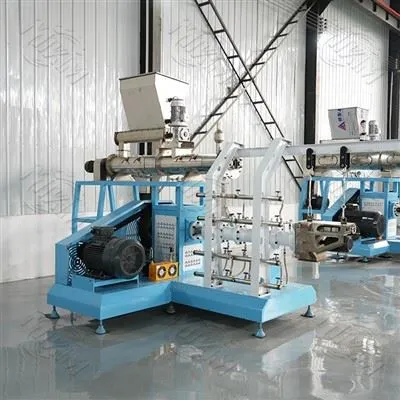
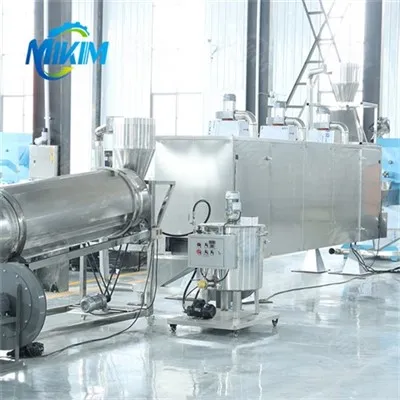
Thirdly, pet food production lines are simple and convenient to operate, requiring no professional skills. Modern small pet food production lines are compact (occupying only 2-3 square meters), requiring only electricity to operate, and can produce 100 jin (50 catties) of food per hour from raw material mixing to pellet production. For families with pets, a single hour on the weekend can produce enough food for a batch to last half a month. Cat and kennels can operate for just two hours a day to meet the needs of dozens of pets, eliminating the need for daily food purchases and transportation. Furthermore, the formula can be adjusted based on the pet's condition – for example, reducing the protein ratio and increasing fiber when a pet is sick to help restore its digestive function. This flexibility and convenience make pet food production lines indispensable tools for pet owners, and their necessity is self-evident.


about Us
Customer visit

Certificate of Honor

FAQ
1. What is the price of the pet food pellet production line?
The price ranges from approximately $15,000-$56,000
2. Do you provide maintenance services for your customers?
Yes, we offer comprehensive after-sales maintenance services to our customers.


