Is a fish feed production line necessary
Leave a message
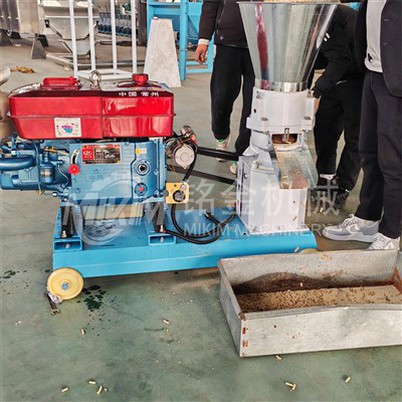
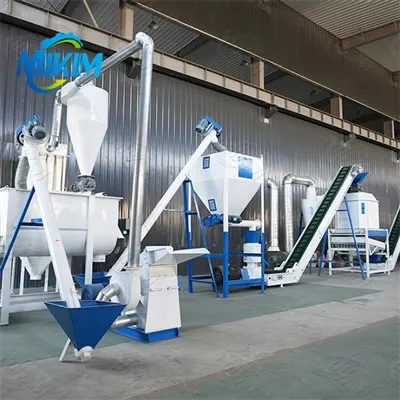
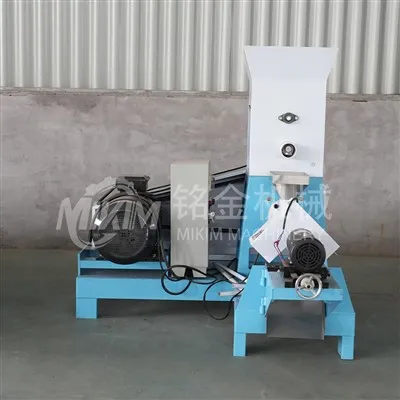
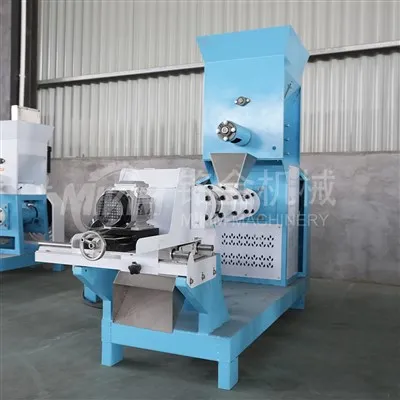
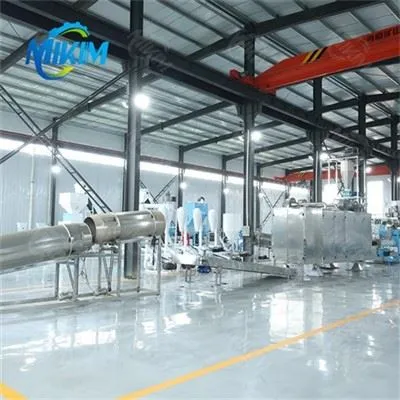
Many aquaculture farmers initially fed their fish and shrimp with ordinary powdered feed, only to find that the feed would crumble as soon as it touched water, with half sinking to the bottom and polluting the water. The fish and shrimp couldn't get enough to eat and frequently fell ill, resulting in significant expenses for water changes and medication. Later, they tried using aquatic feed production lines to make pelleted feed. Not only was the feed more water-resistant, but the fish and shrimp grew faster, and costs decreased-leading to the question: are fish feed processing line truly necessary? For those who want to succeed in aquaculture, the answer is definitely yes.
Three aspects
First, the animal floating meal extruder line solves the core problem of "feed scattering and water pollution," which is irreplaceable by traditional feed. Aquatic animals live in water, and ordinary powdered feed or handmade pellets disintegrate within minutes. The residue decomposes, releasing ammonia nitrogen and nitrite, fouling the water and making fish and shrimp susceptible to enteritis and gill rot. Pelleted feed produced on the production line, however, is extruded at high temperatures, with a protective film on the surface. When dropped into water, it remains intact for 3-5 minutes, giving fish and shrimp ample time to consume it. Less residue naturally leads to cleaner water. For example, shrimp farmers using this production line have reduced water changes from once a week to once every two weeks, saving 200 yuan in water costs per month. Shrimp mortality has also decreased from 15% to below 5%, something impossible without a production line.
Second, the floating fish feed pellet making production line precisely matches the nutritional needs of aquatic animals, resulting in faster growth and better marketability for fish and shrimp. Different aquatic animals and different growth stages require different nutrients: juvenile fish need high-protein, fine-particle feed, while adult fish need high-energy, coarse-particle feed; shrimp need sinking feed, while surface-dwelling fish need floating feed. The production line can precisely mix raw materials according to the formula and can adjust particle size and buoyancy by changing molds. For example, when raising grass carp, 2mm floating particles are used for juveniles, and 5mm floating particles are used for adults, ensuring a perfect nutritional balance. Grass carp gain an extra 2 grams per day, shortening the breeding cycle from 6 months to 4.5 months, allowing for earlier market entry and higher prices. Furthermore, the production line can add attractants and astaxanthin, making shrimp shells brighter and fish meat firmer, increasing profits by 1-2 yuan per kilogram.
In addition, the production line for making floating fish meals saves farmers costs and time, offering maximum convenience. For small-scale aquaculture, buying ready-made pelleted feed costs 300-500 yuan per ton more than producing it themselves, resulting in an extra 30,000-50,000 yuan for purchasing 100 tons a year. Installing a small production line, however, can produce 1-2 tons per day. By sourcing raw materials themselves, they can save over 300 yuan per ton, recouping their investment in just six months. Moreover, the production line is simple to operate, requiring only one person to manage. From raw material mixing to pelleting, it's fully automated, eliminating the need for manual mixing and pelleting, saving 2-3 hours of labor daily – a crucial advantage for busy aquaculture farmers. In conclusion, from both an aquaculture efficiency and cost perspective, an aquaculture feed production line is essential.



about Us
Customer visit

Certificate of Honor

FAQ
1. What is the price of the floating pet feed extruder production ?
The price ranges from approximately $12,000-$56,000
2. Do you provide maintenance services for your customers?
Yes, we offer comprehensive after-sales maintenance services to our customers.