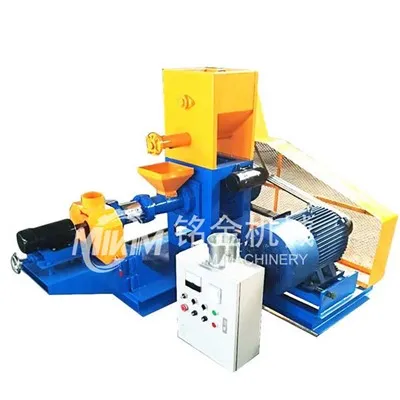
Common Errors to Avoid When Using a Household Dog Food Maker Machine
Leave a message
A Household dog food extruder machine is widely used to produce dry dog food, cat food, and other pet nutrition pellets. While the machine itself is highly efficient, many production issues come from operational mistakes, raw material errors, and improper setup rather than the equipment.
This guide highlights real factory-level experience to help you avoid the most common mistakes that affect pellet quality, machine lifespan, and production cost.
1. Using Incorrect Raw Material Formulation
One of the most frequent errors is poor ingredient balance.
Common mistakes:
- Too much fiber or low-starch ingredients
- Missing binders (leading to weak pellets)
- Uneven mixing of vitamins and minerals
- Using low-quality or high-moisture raw materials
Result:
- Cracked or dusty pellets
- Poor expansion and shape
- Reduced palatability for pets
👉 In real production, formulation accounts for more than 50% of final pellet quality.
2. Wrong Moisture Content Before Pelletizing
Moisture level is often ignored but critically important.
Typical error range:
- Too dry (<10%): pellets become brittle
- Too wet (>20%): machine clogging and deformation
Ideal range:
Usually 12%–18% depending on formula
3. Ignoring Grinding Fineness of Raw Materials
Particle size is a hidden factor many operators overlook.
Mistakes:
- Using coarse grains or unground materials
- Uneven powder size before mixing
Consequences:
- Blocked die holes
- Uneven pellet surface
- Increased machine wear
👉 For pet food production, raw materials should typically be 80–120 mesh fine powder.
4. Incorrect Temperature Control During Extrusion
Temperature affects starch gelatinization and pellet structure.
Common issues:
- Running machine at too low temperature
- Overheating material (burnt smell, dark pellets)
- Ignoring barrel temperature zones
Result:
- Poor expansion rate
- Weak bonding structure
- Reduced digestibility
👉 Stable temperature control ensures consistent pet food quality.
5. Improper Die and Cutter Adjustment
Mechanical setup mistakes are very common in new users.
Errors include:
- Uneven roller pressure on die
- Incorrect cutter speed setting
- Misaligned die installation
Problems caused:
- Irregular pellet length
- Excess powder or broken pellets
- Machine vibration and noise
👉 Proper calibration is essential for stable production.
6. Overloading the Machine Beyond Capacity
Many users try to increase output too aggressively.
Mistakes:
- Feeding too fast at startup
- Running continuously at maximum load
- Ignoring motor temperature rise
Risks:
- Shortened machine lifespan
- Frequent blockages
- Higher maintenance cost
7. Poor Cleaning and Maintenance Routine
Neglecting cleaning is a long-term hidden problem.
Common mistakes:
- Not cleaning die holes after production
- Leaving residue inside barrel
- Skipping lubrication of moving parts
Consequences:
- Mold growth in leftover material
- Reduced pellet quality in next batch
- Faster wear of screw and die
8. Using the Wrong Pet Food Formula for Target Animals
Different pets require different feed design.
Example mistakes:
- Using fish feed formula for dog food
- Ignoring protein and fat balance
- Not adjusting pellet hardness for pet age
Result:
- Poor acceptance by animals
- Nutritional imbalance
- Lower market competitiveness
9. Ignoring Test Runs Before Full Production
Skipping testing is a costly mistake.
What gets missed:
- Pellet expansion behavior
- Machine stability under load
- Die suitability for formula
Conclusion
Most problems with home-use dog food extruder machines are not caused by the equipment itself, but by raw material handling, incorrect operation, and lack of process control.
Avoiding these common errors will help you achieve:
- Stable pellet quality
- Higher production efficiency
- Longer machine lifespan
- Better pet food market competitiveness
Company Profile