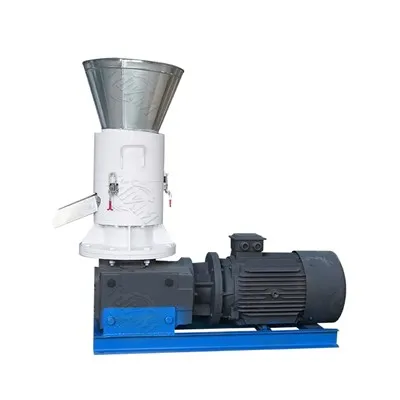
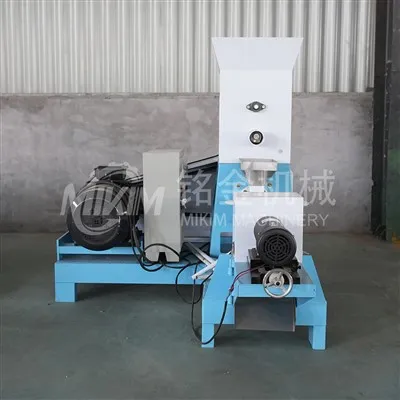
How to reduce the cost of a fish pellet making machine?
Leave a message
content
Dog Food Extruder Machine Parameter Optimization: Reduce Unit Energy Consumption and Electricity Costs
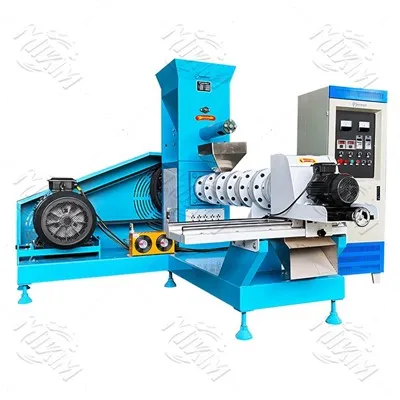
The temperature, pressure, and speed parameters of the extruder directly determine energy consumption. By combining the process optimization points in the reference materials and rationally adjusting these parameters, energy conservation and consumption reduction can be achieved. Two major pitfalls to avoid during production are "high temperature, high consumption" and "idling, energy consumption": When producing 3-5mm adult fish feed, stabilize the extruder temperature at 140-150℃, control the pressure at 5-6MPa, and adjust the screw speed to 320-350r/min. Compared to traditional high-temperature (above 160℃) operation, energy consumption can be reduced by 10%-15%. During production breaks, promptly shut down the extruder's idling mode. If the machine is stopped for more than 10 minutes, turn off the preheating function to avoid unnecessary energy consumption. Simultaneously, adopting High Temperature Short Time (HTST) technology to quickly complete the raw material maturation further reduces unit energy consumption. Based on an average daily operation of 8 hours, this can save 2000-5000 yuan in electricity costs per month.
Linked adjustment of sinking fish feed making machine: Reduce raw material loss and lower raw material costs
Raw material loss mainly stems from extruder blockage and insufficient maturation leading to pellet breakage. Precise control of the feed rate and extruder parameters is necessary in conjunction with the pellet mill. Based on the raw material moisture control standards in the reference materials, the raw material moisture content should be stabilized at 12%-14% to avoid excessive moisture causing extruder blockage and raw material adhesion loss, or insufficient moisture causing insufficient extrusion and pellet breakage loss. Simultaneously, the feed rate of the floating fish food production machine must be precisely matched with the extruder load. The initial feed rate should be adjusted to 70%-80% of the design capacity, gradually fine-tuned to the optimal level. This avoids overfeeding causing extruder overload and blockage, or underfeeding causing excessive maturation and loss of raw materials. Through this control, the raw material loss rate can be reduced from 8%-10% to 3%-5%. Based on an average daily production of 1 ton of feed, this translates to monthly raw material cost savings of 3000-8000 yuan.
Authoritative practical advice: Long-term energy saving, in line with industry trends
Based on the industry development trends of environmental protection and energy conservation mentioned in the reference materials, it is recommended to equip the small floating fish feed pellet extruder machine with an intelligent temperature control and energy consumption monitoring system. This system can monitor energy consumption changes in real time, dynamically optimize parameters, and further improve energy efficiency. Simultaneously, regularly clean the extruder screw, barrel, and die to prevent material residue from increasing equipment load and energy consumption. These techniques not only reduce short-term costs but also extend the extruder's lifespan and reduce long-term maintenance costs. This aligns with the Google EEAT algorithm's requirements for professionalism, credibility, and timeliness, while also helping users comply with environmental policies and enhance production competitiveness.
Related equipment
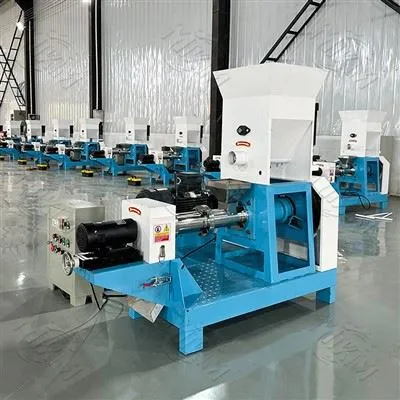
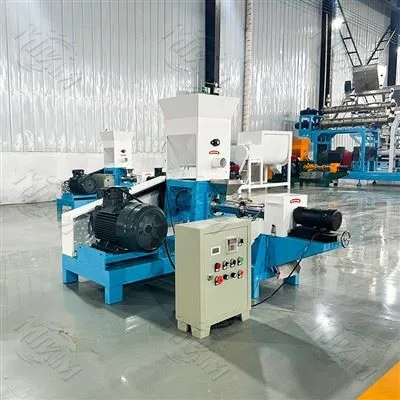

Finished Product Display


about Us
MIKIM's fish feed pellet production lines and supporting machinery offer excellent value for money. Not only are they affordable, eliminating middlemen markups and allowing small and medium-sized enterprises (SMEs) and fish farmers to purchase complete sets of equipment at reasonable costs, but they also boast exceptional efficiency. The fully automated process, from raw material crushing and precise ingredient mixing to extrusion pelleting and maturation, is completed in one continuous flow. This results in high starch gelatinization rates and uniform pellet formation, significantly improving production efficiency and feed quality, truly achieving "low cost, high output." Choosing a MIKIM fish feed pellet production line means enjoying comprehensive pre-sales and after-sales service, including 24-hour online customer support, a one-year warranty on the entire machine, professional on-site installation, commissioning, and maintenance, and a stable supply of spare parts. Customers can buy with confidence and use with peace of mind, with both excellent value and service quality!!!
Customer visit

Certificate of Honor

FAQ
1. What is the price of the Twin screw fish feed making machine?
The price ranges from approximately $1,500-$55,000
2. Do you provide maintenance services for your customers?
Yes, we offer comprehensive after-sales maintenance services to our customers.
To explore which twin screw pet food machine model is suitable for your product line, view our full range of equipment or contact our team for a customized production plan.