


How to Avoid the Drawbacks of Small Electric Fish Feed Extruder Machines?
Leave a message
content
Addressing Disadvantage 1: High Energy Consumption
The solution focuses on "Energy-Saving Selection + Standardized Operation."
First, precise selection is crucial. Prioritize small fish feed making machines, focusing on energy efficiency (choosing machines with ≥60% efficiency) and motor power (selecting power matching production capacity to avoid redundancy). While high-quality energy-efficient equipment may have a slightly higher initial investment, it can save significant electricity costs in the long run. Avoid purchasing outdated or low-end equipment, as these have extremely high energy consumption and low energy efficiency. Second, standardized operation is essential. Operators must precisely adjust small fish feed pellet machine parameters (such as crushing speed, puffing temperature, and feed rate) according to raw material characteristics and production capacity requirements to avoid the equipment operating in a "high-energy-consumption, low-efficiency" state. Raw materials need pre-treatment (drying, preliminary crushing) to reduce moisture and hardness, decreasing equipment load and thus reducing energy consumption. Furthermore, regularly cleaning the equipment's cooling system and lubricating core components ensures smooth operation and also reduces energy consumption.


Addressing drawback 2: Unstable feed quality, the solution focuses on "precise adjustment + raw material control."
First, precise equipment parameter adjustment is crucial. Operators must adjust parameters such as particle size, mixing time, puffing temperature, and drying time according to the feed formula and raw material characteristics. For example, high-protein feeds require appropriately lowering the puffing temperature and extending the mixing time, while hard raw materials require appropriately increasing the grinding speed to ensure uniform pellet formation and nutrient distribution. Simultaneously, the parameters of the floating fish feed pellet maker should be calibrated regularly to prevent parameter deviations that could lead to unstable quality.
Second, strict control of raw material quality is essential. High-quality raw materials must be purchased to avoid impurities (such as stones or metal shavings). Raw materials must undergo uniform pre-treatment (drying, screening, and preliminary grinding) to ensure consistent moisture content, hardness, and particle size, improving processing suitability.
Third, regular cleaning and maintenance of the floating fish food pellet maker machine are necessary. Regularly clean material residue from the grinding chamber, mixing chamber, and puffing die to prevent clumping that could affect feed quality. Regularly inspect core components to ensure normal operation and prevent quality abnormalities due to equipment malfunction.

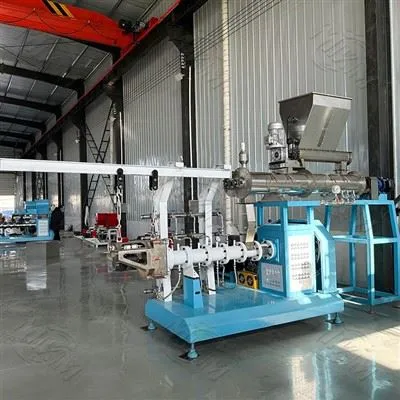
Addressing drawback 3: rapid wear and tear of vulnerable parts and high maintenance costs, the solution focuses on "high-quality parts + standardized maintenance."
First, select high-quality vulnerable parts. When replacing vulnerable parts, prioritize original equipment manufacturer (OEM) parts or high-quality wear-resistant parts (such as high-manganese steel crushing blades and wear-resistant alloy steel die heads). Although high-quality parts are slightly more expensive, their wear resistance and service life are longer, reducing replacement frequency and saving maintenance costs in the long run. Avoid purchasing inferior vulnerable parts, as these are easily damaged, increasing maintenance costs and downtime losses. Second, standardize the maintenance of the floating fish feed pellet extruder machine. Establish a regular maintenance system, checking the condition of vulnerable parts (crushing blades, die heads, pressure rollers, etc.) weekly. Replace any worn or aged parts promptly to prevent further damage. Regularly lubricate and clean the core components of the equipment to prevent wear caused by insufficient lubrication and impurity accumulation. Strictly screen raw materials during feeding to prevent impurities from entering and accelerating wear on vulnerable parts.
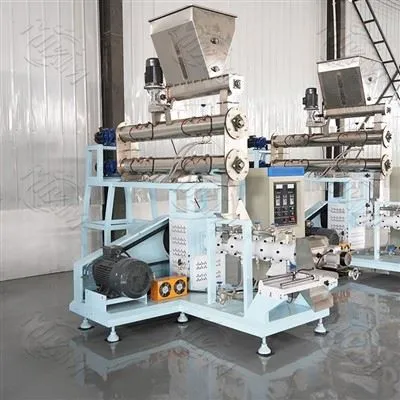

Addressing drawback 4: High operational threshold, the solution focuses on "professional training + user-friendly selection"
First, provide professional operational training. After purchasing a floating fish feed pellet making machine, contact the manufacturer to arrange for professional technicians to conduct training on equipment operation, parameter adjustment, troubleshooting, and daily maintenance, ensuring operators master the operating skills. Simultaneously, retain the operation manual and training videos for easy review and reference later. Second, prioritize user-friendly equipment design. When purchasing, pay attention to the equipment's operating interface, prioritizing simple interfaces and equipment with fault warning functions. These types of equipment are easier to operate, allowing beginners to quickly learn. Also, choose manufacturers with comprehensive after-sales service; if problems arise during operation, operators can promptly contact the manufacturer's technical personnel for consultation and guidance, reducing operational errors.
Related equipment


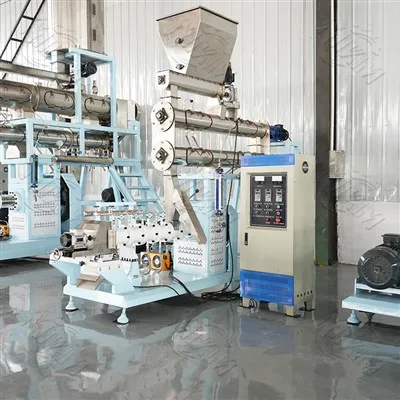
Finished Product Display

about Us
MIKIM's fish feed pellet production lines and supporting machinery offer excellent value for money. Not only are they affordable, eliminating middlemen markups and allowing small and medium-sized enterprises (SMEs) and fish farmers to purchase complete sets of equipment at reasonable costs, but they also boast exceptional efficiency. The fully automated process, from raw material crushing and precise ingredient mixing to extrusion pelleting and maturation, is completed in one continuous flow. This results in high starch gelatinization rates and uniform pellet formation, significantly improving production efficiency and feed quality, truly achieving "low cost, high output." Choosing a MIKIM fish feed pellet production line means enjoying comprehensive pre-sales and after-sales service, including 24-hour online customer support, a one-year warranty on the entire machine, professional on-site installation, commissioning, and maintenance, and a stable supply of spare parts. Customers can buy with confidence and use with peace of mind, with both excellent value and service quality!!!
Customer visit

Certificate of Honor

FAQ
1. What is the price of the sinking fish feed pellet making machine?
The price ranges from approximately $1,500-$55,000
2. Do you provide maintenance services for your customers?
Yes, we offer comprehensive after-sales maintenance services to our customers.
To explore which twin screw pet food machine model is suitable for your product line, view our full range of equipment or contact our team for a customized production plan.


