How to Prevent the Disadvantages of small fish food pellet making machines?
Leave a message
content
Part 1: Beginner's Guide to Avoiding Pitfalls and Optimizing Equipment
First, avoid low-priced, low-end small floating fish feed extruder machines. While these machines may have lower initial investment, they suffer from poor materials, outdated technology, high energy consumption, rapid wear and tear on vulnerable parts, and unstable quality. Their drawbacks are significant, leading to higher long-term operating costs. Beginners should prioritize mid-range priced, reputable machines with excellent after-sales service, and prioritize energy-efficient and user-friendly designs.
Second, choose machines based on your needs, avoiding blindly pursuing "high capacity." Family farms and small-scale aquaculture operations should prioritize small, energy-efficient machines to avoid the high investment and low flexibility of large equipment. Medium-sized feed mills should prioritize medium-sized machines to balance capacity and energy consumption.
Third, focus on core parameters. When purchasing a small fish feed maker machine, pay close attention to its energy efficiency, the material of vulnerable parts, parameter adjustment accuracy, and after-sales support. Avoid purchasing equipment with "falsely advertised parameters" or "no after-sales service." Request practical demonstrations and parameter testing reports from the manufacturer to increase the credibility of your purchase.

Part Two: Avoiding Pitfalls and Mistakes for New Operators
First, training before operation is crucial. New operators must receive professional training on operating the small electric fish feed extruder machine, mastering parameter adjustments, operating procedures, and troubleshooting methods. Never blindly start the equipment before familiarizing yourself with the operating techniques to avoid equipment malfunctions and substandard feed quality.
Second, standardize operating procedures and strictly follow the operation manual. Feed evenly and screen raw materials to avoid overfeeding and impurities, which can accelerate equipment wear and blockages. Adjust parameters gradually to avoid large adjustments at once, which can lead to abnormal feed quality.
Third, timely cleaning and lubrication are essential. After production, immediately clean the inside of the small fish feed making machine to prevent residue from clumping and aging, which can affect the next production run. Regularly lubricate and inspect the core components of the equipment to prevent insufficient lubrication and impurity buildup, which can lead to wear on vulnerable parts and equipment jamming.


Part Three: Beginner Maintenance Tips to Avoid Pitfalls and Drawbacks from Improper Maintenance
First, establish a regular maintenance system. Check the condition of easily worn parts (crushing blades, die heads, pressure rollers, etc.) of the small fish feed pellet machine weekly, replacing any worn or aged parts promptly to prevent further damage. Perform a comprehensive maintenance monthly, checking core components such as the motor, gears, and gaskets to ensure normal equipment operation.
Second, use high-quality easily worn parts. When replacing easily worn parts, prioritize original equipment manufacturer (OEM) parts or high-quality wear-resistant parts. Avoid purchasing inferior parts. Although high-quality parts are slightly more expensive, they have a longer service life, resulting in long-term cost savings.
Third, avoid "over-maintenance" or "under-maintenance." Over-maintenance (such as frequent replacement of easily worn parts or excessive lubrication) increases maintenance costs, while under-maintenance (such as prolonged lack of cleaning or lubrication) exacerbates the drawbacks of the floating fish food pellet maker machine. A maintenance plan should be rationally developed based on the machine's operating frequency and production intensity.


Part Four: Understanding and Avoiding Pitfalls: A Rational View of Equipment Drawbacks
New users often fall into two extremes: First, they overemphasize the equipment's drawbacks, believing that "the equipment has many drawbacks and is not worth buying," ignoring its positive impact on production efficiency and feed quality. Second, they ignore the equipment's drawbacks, blindly purchasing and operating it, leading to production losses. The correct understanding is: The drawbacks of floating feed extruder machines objectively exist, but they are not unavoidable. High-quality equipment, standardized operation, and regular maintenance can effectively mitigate their impact.
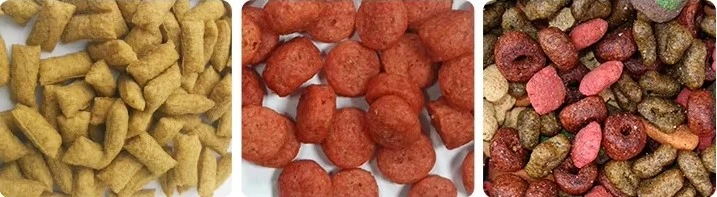
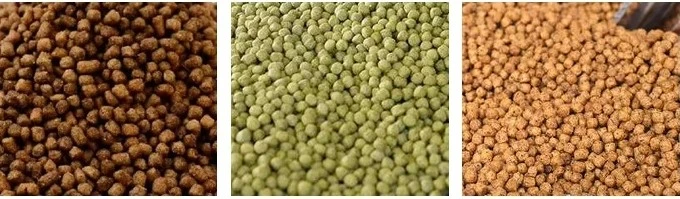
Finished Product Display
about Us
MIKIM's fish feed pellet production lines and supporting machinery offer excellent value for money. Not only are they affordable, eliminating middlemen markups and allowing small and medium-sized enterprises (SMEs) and fish farmers to purchase complete sets of equipment at reasonable costs, but they also boast exceptional efficiency. The fully automated process, from raw material crushing and precise ingredient mixing to extrusion pelleting and maturation, is completed in one continuous flow. This results in high starch gelatinization rates and uniform pellet formation, significantly improving production efficiency and feed quality, truly achieving "low cost, high output." Choosing a MIKIM fish feed pellet production line means enjoying comprehensive pre-sales and after-sales service, including 24-hour online customer support, a one-year warranty on the entire machine, professional on-site installation, commissioning, and maintenance, and a stable supply of spare parts. Customers can buy with confidence and use with peace of mind, with both excellent value and service quality!!!
Customer visit

Certificate of Honor

FAQ
1. What is the price of the mini floating fish feed machine?
The price ranges from approximately $1,500-$55,000
2. Do you provide maintenance services for your customers?
Yes, we offer comprehensive after-sales maintenance services to our customers.
To explore which twin screw pet food machine model is suitable for your product line, view our full range of equipment or contact our team for a customized production plan.