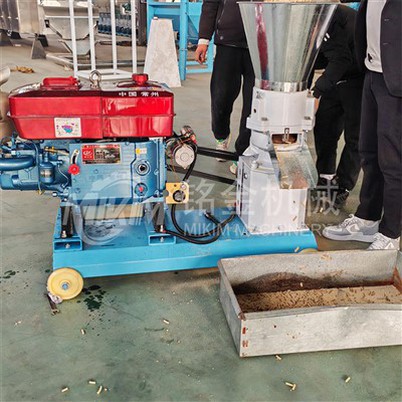
What Is a Dog Food Extruder Machine Motor?
Leave a message
What Is a Dog Food Extruder Machine Motor?
The motor of a dog food extruder machine is a specialized power component designed for the working conditions of pet food extrusion, not an ordinary industrial motor. It converts electrical energy into mechanical energy and provides continuous, stable power to the core working parts of the extruder, mainly the screw and the drive shaft. Because the extruder runs hot, dusty, and under sustained high load, the motor is built for high-temperature resistance, wear resistance, dust protection, and stable power output, allowing it to withstand the reaction force of the screw pressing material for extended periods.
Basic Structure of the Motor
The motor consists of three main assemblies. The stator assembly, the fixed core, contains an iron core and windings that generate the rotating magnetic field which powers the motor. Windings made with high-temperature-resistant copper wire reduce the risk of overheating and burnout in the warm environment around the extruder. The rotor assembly, the rotating core, connects to the extruder linkage shaft; it rotates inside the magnetic field, converting electrical energy into mechanical energy and driving the screw. The protective casing and cooling system use a sealed housing to keep dust and material residue out of the motor, while a cooling fan and heat sinks dissipate the heat generated during long high-load operation.
Core Functions in the Extrusion Process
The motor drives the screw, determines power output, and keeps the equipment coordinated. It turns the screw at high speed through the linkage shaft, and the screw rotation compresses, mixes, heats, matures, and shapes the raw materials; a typical screw speed range for such machines is around 300-450 r/min depending on the model. Speed stability directly affects extrusion uniformity and the maturation effect of the ingredients. The motor also adjusts output power and speed, commonly through frequency conversion, so the machine can handle formulas with different moisture content and composition. Finally, the motor works together with the reducer, die head, and feeding device, and stable power output keeps the linkage smooth, preventing problems such as screw jamming and discharge blockage.
Selection and Maintenance Considerations
When selecting a motor for a dog food extruder, match the rated power and speed range to the machine capacity and the toughest formula the plant plans to process. Check the protection rating of the casing, the cooling method, and the type of variable speed drive, since these determine reliability in a dusty, warm workshop. In maintenance, keep the cooling fan and heat sinks clean, check the windings for overheating signs, and listen for abnormal bearing noise, which usually indicates wear long before a failure stops the line.
Common Misconceptions
Any industrial motor will do. Ordinary motors are not designed for the sustained load, heat, and dust of an extruder, and they fail faster, causing costly downtime.
Bigger motor means better output. An oversized motor wastes energy and can stress the transmission; the correct size follows the extruder's power requirement and duty cycle.
The motor is a sealed unit that needs no attention. Cooling surfaces, bearings, and electrical connections still require regular inspection and cleaning.
Frequently Asked Questions
Why does the extruder motor need a special design? Extrusion creates sustained high load, elevated temperature, and dusty conditions. A motor built for these conditions resists overheating, wear, and contamination, so it keeps running reliably for long shifts.
What speed does the screw usually run at? For many dog food extruders the screw runs around 300-450 r/min, but the correct value depends on the model, screw geometry, and formula; always follow the manufacturer's specification.
How does frequency conversion help? Variable frequency drives let the operator adjust speed and torque for different formulas and capacities, which improves process flexibility and can reduce energy use at partial load.
What causes the motor to overheat? Blocked cooling surfaces, overload, high ambient temperature, or a worn bearing usually cause overheating; check these in that order.
Can the motor be repaired when it fails? Often yes, depending on the failure. Winding and bearing faults can be repaired, but repeated failures may make replacement more economical than repeated repairs.