


What is a fish feed pellet making machine
Leave a message
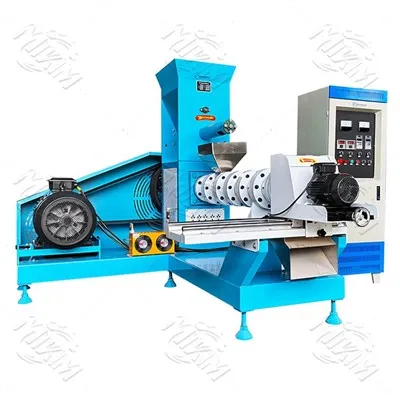
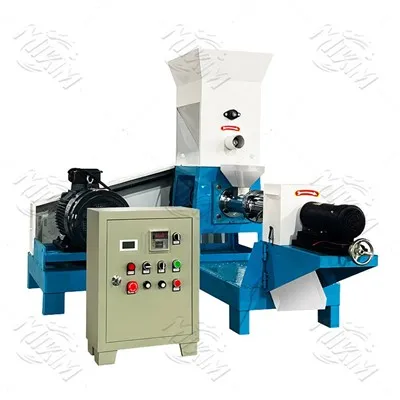
From a professional definition, a floating fish feed pellet making machine utilizes the high temperature and pressure environment generated by mechanical extrusion to gelatinize the starch and denature the protein in the feed ingredients. Simultaneously, the sudden pressure drop upon material discharge creates a porous structure, ultimately producing extruded pellet feed that meets the feeding requirements of fish. This extrusion process not only improves the palatability and digestibility of the feed but also enhances its water resistance, preventing rapid nutrient loss in water. This is its core advantage over ordinary pellet mills.
The core structure of a small fish feed machine consists of five parts: a feeding system, an extrusion system, a heating system, a forming system, and a control system. The feeding system includes a hopper and a feeder. The feeder is typically a spiral type, ensuring uniform and continuous feeding of raw materials and preventing fluctuations in puffing effect due to uneven feeding. The extrusion system is the core of the equipment, consisting of a barrel and a screw. Twin-screw structures offer better mixing and extrusion effects and are widely used in small and medium-sized production lines. The special screw ridge design on the screw surface enhances the shearing and kneading action on the raw materials. The heating system offers both electric and steam heating options, allowing precise temperature control of different sections of the barrel to meet the puffing requirements of various raw materials. The die aperture of the forming system determines the size of the feed pellets and can be flexibly changed according to fish species and growth stages. The control system uses a PLC touchscreen to precisely adjust parameters such as temperature, pressure, and speed, ensuring stable production.
Compared to pellet mills commonly used for cat and dog pet food, the biggest feature of the floating fish feed pellet machine is its "puffing" function. It improves water resistance by altering the internal structure of the feed, while pet food pellet mills focus more on pellet formation and nutrient retention, without necessarily pursuing a porous structure. Understanding these basic characteristics is essential for correctly recognizing and using fish feed pellet extruders.
Related equipment


about Us
MIKIM's fish feed pellet production lines and supporting machinery offer excellent value for money. Not only are they affordable, eliminating middlemen markups and allowing small and medium-sized enterprises (SMEs) and fish farmers to purchase complete sets of equipment at reasonable costs, but they also boast exceptional efficiency. The fully automated process, from raw material crushing and precise ingredient mixing to extrusion pelleting and maturation, is completed in one continuous flow. This results in high starch gelatinization rates and uniform pellet formation, significantly improving production efficiency and feed quality, truly achieving "low cost, high output." Choosing a MIKIM fish feed pellet production line means enjoying comprehensive pre-sales and after-sales service, including 24-hour online customer support, a one-year warranty on the entire machine, professional on-site installation, commissioning, and maintenance, and a stable supply of spare parts. Customers can buy with confidence and use with peace of mind, with both excellent value and service quality!
Customer visit

Certificate of Honor

FAQ
1. What is the price of the floating fish food extruder?
The price ranges from approximately $1,500-$55,000
2. Do you provide maintenance services for your customers?
Yes, we offer comprehensive after-sales maintenance services to our customers.
If you would like to learn more about MIKIM machinery, please contact us. We offer one-stop service and welcome your inquiries!!!


