What does a small fish feed pellet extruder machine do?
Leave a message
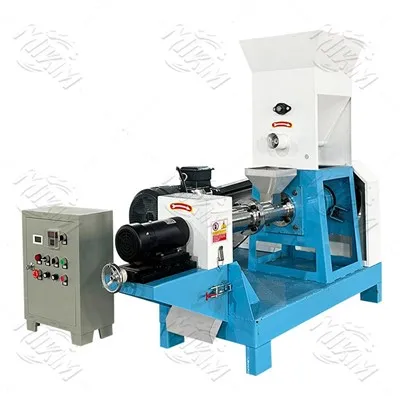
Its core function is to improve feed digestibility and absorption. Fish have relatively simple digestive systems and weak digestive capacity. The high temperature and pressure of the small fish feed machine increases the starch gelatinization rate of raw materials from 60% in ordinary processing to over 90%, and more fully denatures proteins, forming a structure easily broken down by fish digestive enzymes. Experimental data shows that grass carp using extruded feed have a 15%-20% higher protein digestibility than those fed ordinary pellet feed, and less undigested nutrients in feces, reducing both feed waste and water pollution.
It also enhances feed water resistance, ensuring no nutrient loss. Fish primarily feed in water. Ordinary pellet feed disintegrates within minutes of being placed in water, with nutrients being lost. However, feed pellets produced by the floating fish feed pellet machine have a dense, porous internal structure, extending their water resistance to over 30 minutes, even 1-2 hours, ensuring fish have ample time to feed. Taking koi feed as an example, extruded feed retains its shape after soaking in water for 30 minutes, with a nutrient retention rate of over 90%, while ordinary pelleted feed retains less than 60% of its nutrients.
It also has a sterilization function, reducing the risk of fish diseases. The temperature inside the floating fish food extruder can reach 110-130℃, and the pressure can reach 3-8MPa. This extreme environment effectively kills harmful microorganisms such as E. coli and Salmonella, as well as parasite eggs, in the raw materials, with a sterilization rate of over 99%. After using extruded feed, a tilapia farm reduced the incidence of intestinal diseases in its fish from 12% to 3%, significantly reducing disease prevention and control costs.
Related equipment



about Us
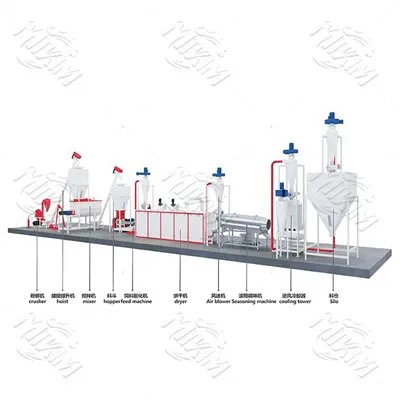
MIKIM's fish feed pellet production lines and supporting machinery offer excellent value for money. Not only are they affordable, eliminating middlemen markups and allowing small and medium-sized enterprises (SMEs) and fish farmers to purchase complete sets of equipment at reasonable costs, but they also boast exceptional efficiency. The fully automated process, from raw material crushing and precise ingredient mixing to extrusion pelleting and maturation, is completed in one continuous flow. This results in high starch gelatinization rates and uniform pellet formation, significantly improving production efficiency and feed quality, truly achieving "low cost, high output." Choosing a MIKIM fish feed pellet production line means enjoying comprehensive pre-sales and after-sales service, including 24-hour online customer support, a one-year warranty on the entire machine, professional on-site installation, commissioning, and maintenance, and a stable supply of spare parts. Customers can buy with confidence and use with peace of mind, with both excellent value and service quality!
Customer visit

Certificate of Honor

FAQ
1. What is the price of the floating fish feed pellet making machine?
The price ranges from approximately $1,500-$55,000
2. Do you provide maintenance services for your customers?
Yes, we offer comprehensive after-sales maintenance services to our customers.
If you would like to learn more about MIKIM machinery, please contact us. We offer one-stop service and welcome your inquiries!!!