What Does a Small Fish Feed Pellet Extruder Cost?
Leave a message
What Drives the Cost of a Small Fish Feed Pellet Extruder?
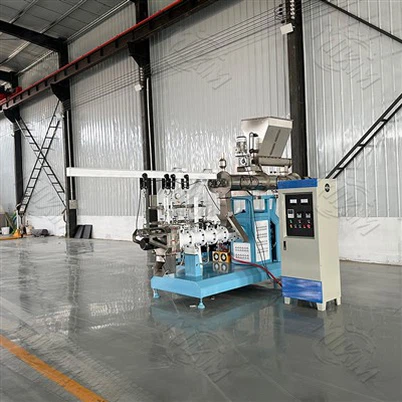
The cost of a small floating or sinking fish feed pellet extruder depends mainly on output, configuration, and quality. Machines range from hobby-sized models costing tens of dollars to production-grade lines costing several thousand dollars, and the right budget depends on whether the buyer keeps ornamental fish, runs a small farm, or operates a commercial aquaculture business. The price figures below are market reference ranges, and actual quotes vary with configuration, shipping, and after-sales service.
Typical Price Tiers
| Tier | Typical price | Typical output | Suitable for |
|---|---|---|---|
| Ultra-small home or mini models | $15-$80 | Very low | Hobbyists with ornamental fish or small ponds; simple manual or small electric units |
| Basic small electric models | $120-$700 | Roughly 40-50 kg/h in some models | Small family farms; commonly sold on e-commerce platforms |
| Production-grade models | $1,200-$3,300 | Around 100-150 kg/h in some models | Small-scale commercial aquaculture, with basic mixing and extrusion systems |
| Entry-level production line kits | $3,300-$7,000 | Around 120-150 kg/h in some kits | Medium-sized farms; kit includes extruder and a matching mixer or dryer |
What Explains the Price Differences
Output is the largest single factor: machines with higher throughput need stronger motors, heavier screws and barrels, and larger dies. Configuration matters too, because the price may or may not include the mixer, dryer, and feeding system that the extruder needs to run as a small line. Quality differences appear in the screw and barrel materials, the control system, and the after-sales support: lower-priced machines are often unbranded with limited service, while branded products with warranties commonly cost 30%-50% more. On the international market, shipping and service costs also raise the delivered price compared with domestic sales.
Total Cost Considerations
The purchase price is only part of the total cost. Compare energy consumption per kilogram of feed, the expected service life of wearing parts such as the screw and die, and the availability of spare parts and service. A slightly more expensive machine with lower energy use and longer part life can be cheaper in the long run than an inexpensive unit that fails often. For production buyers, also check whether the machine can reach its rated output with the local power supply and the raw materials available.
Common Misconceptions
The cheapest machine saves the most money. Frequent breakdowns, high energy use, and poor pellet quality usually cost more than the price difference.
Output doubles if the motor is bigger. Output is limited by the screw design, conditioning, and die capacity as well as the motor; a bigger motor alone rarely doubles production.
A high price guarantees good pellets. Pellet quality also depends on formula, raw material moisture, and operating skill, so process training matters as much as the machine.
Frequently Asked Questions
How much does a hobby-sized fish feed machine cost? Ultra-small home and mini models typically cost between $15 and $80; they have low output and basic functions, suitable for ornamental fish and small ponds.
What can I expect from a small electric model? Basic small electric models, often around $120-$700, typically produce tens of kilograms per hour, for example 40-50 kg/h in some models, and suit small family farms.
When should I buy a production line kit instead of a single machine? When the farm needs consistent output and finished pellets ready for feeding, a kit with an extruder and a matching mixer or dryer avoids buying incompatible components separately.
Why are branded machines more expensive? Branded machines usually include a warranty, documented specifications, and after-sales support, which reduce risk and downtime; this typically adds 30%-50% to the price.
Should I buy from an international or local supplier? Consider shipping cost, voltage compatibility, spare part availability, and service response time; the delivered cost and long-term support matter more than the list price.
Does the price include installation and training? Not always. Check what the quote covers, including delivery, installation, commissioning, and operator training, because these services can be significant for production-grade machines.